Veranstaltungsbericht | Polis kocht!: “It’s the economy – Mr. President!”

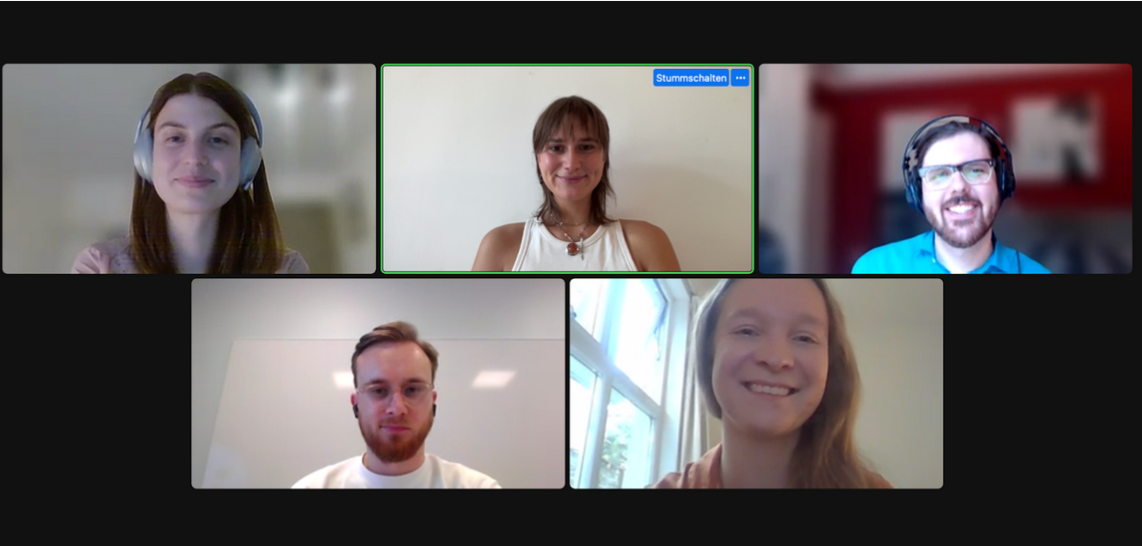
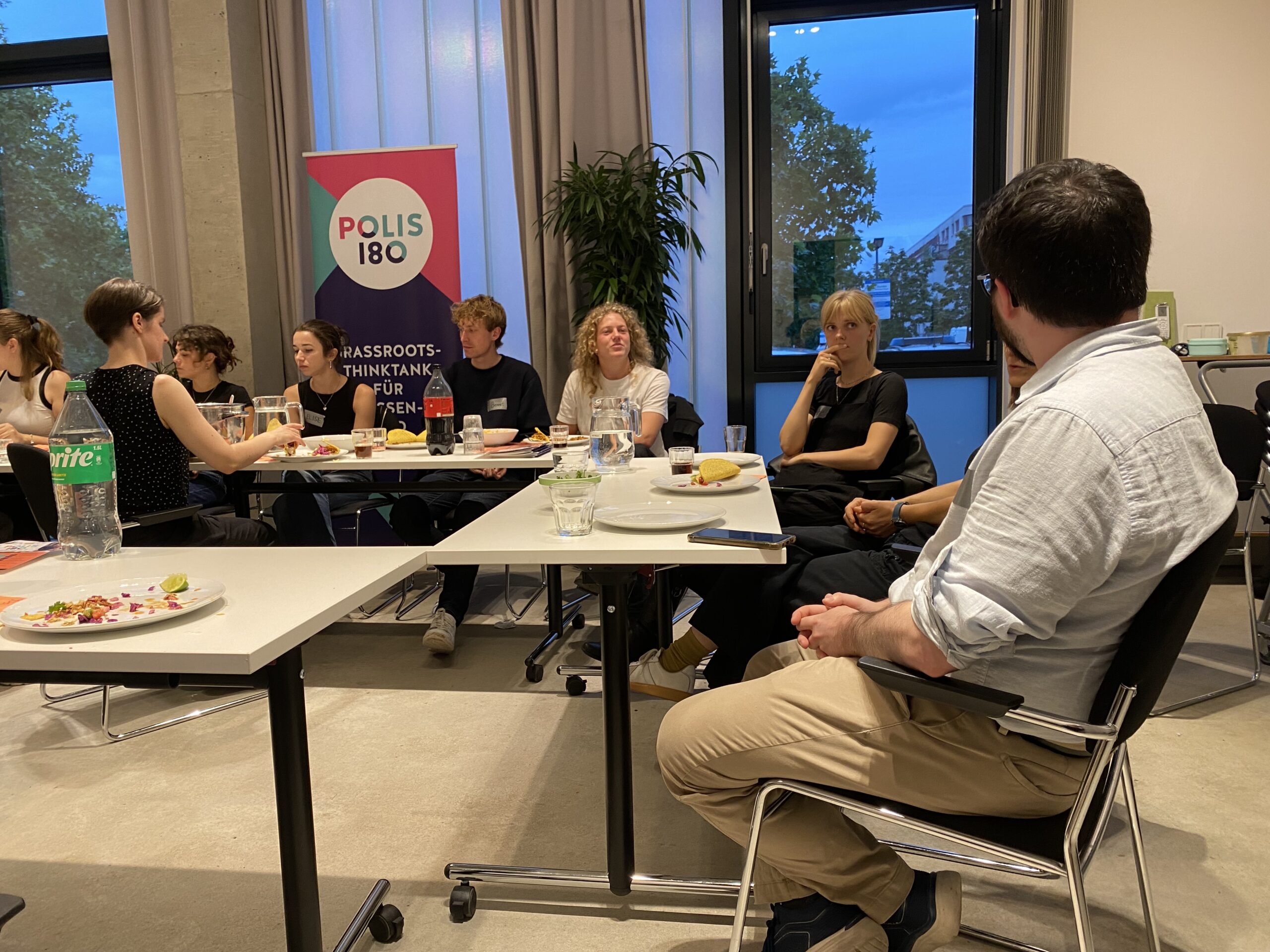
Seit Donald Trump steht die US-Zollpolitik für dauerhafte Unsicherheit in der internationalen Staatengemeinschaft. Im Rahmen der Auftaktveranstaltung der diesjährigen „Polis kocht“-Reihe diskutierten die Programmbereiche Europäische Wirtschaftspolitik und The America(n)s mit Dr. Laura von Daniels von der Stiftung Wissenschaft und Politik über Trumps Zollpolitik und ihre Folgen für den transatlantischen und globalen Handel. Während der Veranstaltung wurden themengerecht vegane, individuell gestaltbare Tacos serviert.

Between Repression and Resilience: Georgia’s Fight for Democracy

For a year, Georgia has been witnessing one of the most sustained waves of protest in its modern history. Since late November 2024, citizens have been taking to the streets every day to protest against rigged elections and authoritarian legislation, demanding a democratic future and a return to the country’s European path. The government has responded by tightening control even further. Despite this democratic crackdown and ongoing repression, Georgia’s civil society has developed new tactics and solidarities, along with creative forms of resistance.

From Moscow with Laws: An Authoritarian Playbook of Rule by Law

Authoritarian regimes increasingly replace overt repression with legal control. By weaponizing laws to restrict NGOs, media, and civic activism, governments from Moscow to Budapest and Tbilisi transform rule of law into rule by law. This “legal authoritarianism” diffuses across borders, revealing how autocrats learn from each other to silence dissent while creating a façade of legality.

Decolonising Feminism(s): The Fading Echo of Solidarity for “Women, Life, Freedom”

We heard these slogans on the news, we saw them on social media, and we shouted them in the streets. The Women, Life, Freedom movement did not only erupt within Iran, but also sparked protests in Western countries such as Germany, Canada and France. Around the world, protesters had a clear goal: the fight for human rights, especially women*’s rights. But while their slogans were the same, the difference between the protests in Iran and those in the West could not be greater.

Decolonising Feminism(s): Women* in Resistance & Resilience

Why is it that when we talk about feminism(s), it so often appears to be a Western, academic invention? In this article, we delve into the buried histories and feminist battles that have long existed and still do outside the Western narrative, because feminism(s) has never been a single story; there have always been many. By listening rather than leading, we can begin to unlearn the dominance of Western narratives and recognise the diverse feminisms that have shaped our shared struggle for freedom.

Ukraine’s Underground Resistance: The Unseen Battle for Sovereignty

In Ukraine’s occupied territories, coordinated civilian and military resistance movements conduct sabotage, gather intelligence, and defend national identity – forming a vital, often unseen front in the fight for sovereignty. The Kazakh phrase Qandy Qantar (Bloody January) is used by Kazakh civil society and media to refer to the violent crackdown of those protests. The name signals the tragedy of the events, calls for justice, and emphasizes the ongoing demand that the victims must not be forgotten. Even though the protests seem to have been ignored by many in Europe, they have ongoing consequences for the civil society in Kazakhstan, because what followed was not reform — it was repression and a consolidation of power.

Qandy Qantar – Bloody January and the silencing of a Nation

In January 2022, Kazakhstan faced its most violent domestic crisis since the end of the Soviet era. While the protests initially focused on rising fuel prices, they soon evolved into a broader rejection of authoritarianism.
The Kazakh phrase Qandy Qantar (Bloody January) is used by Kazakh civil society and media to refer to the violent crackdown of those protests. The name signals the tragedy of the events, calls for justice, and emphasizes the ongoing demand that the victims must not be forgotten. Even though the protests seem to have been ignored by many in Europe, they have ongoing consequences for the civil society in Kazakhstan, because what followed was not reform — it was repression and a consolidation of power.

How migrant communities have become the overlooked victims of hybrid warfare

The popularization of far-right radical ideas among some migrant communities has become widespread in multiple countries across the West (and not only), the most popular example probably being the “Latinos for Trump” movement. Other examples are the Russian and Turkish communities in Germany. This is not a coincidence, as malign domestic and foreign actors have been using hybrid warfare tactics for years, trying to lower trust in democratic institutions and creating divisions across society. Migrants are one overlooked target of this hybrid warfare.

nEUrds Newsletter No. 14 – EU sanctions against Israel, CEPA with Indonesia, and simplification of the CBAM

Welcome back to the latest edition of our nEUrds newsletter, where we dive deep into the riveting world of European economic policy with a twist of wit and a dash of insight. This time, we take a closer look at the latest developments in international trade. The EU is currently considering sanctions against Israel, which could include the suspension of trade concessions. At the same time, the EU is seeking to strengthen global partnerships and has just concluded its largest Comprehensive Economic Partnership Agreement (CEPA) to date with Indonesia. Finally, there is news on the Carbon Border Adjustment Mechanism (CBAM): the European Parliament has approved a new simplification of the scheme.

Young perspectives on the Future of Western Security

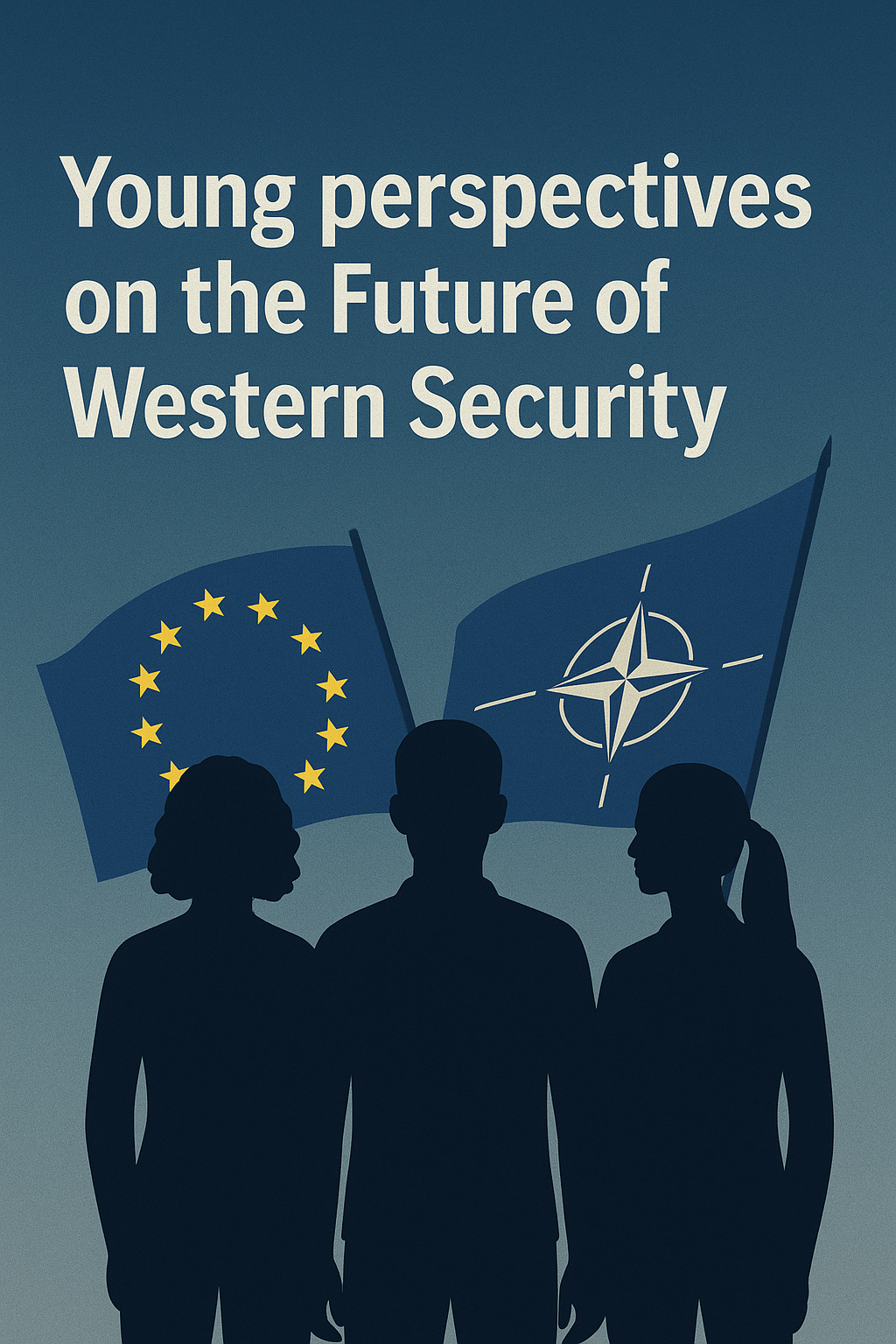
In the context of the re-election of Donald Trump as US president and the recent elections in Germany, it is necessary to explore the preparedness of Germany, its neighbours and Europe as a whole to deal with a US that is pivoting towards Asia and away from a shared Western security architecture. With this blogpost, the OpenTTN aims to showcase how Europe and in particular Germany and Austria are reacting, whether they are prepared to take more responsibility for their security and which underlying political and societal forces are at play. For this, the authors – two young European foreign policy professionals – had the chance to discuss with Ben Hodges, retired Commander of the United States Army Europe to whom they would like to extend their sincere thanks.

Der globale Wettlauf um kritische Rohstoffe: Risiken und Chancen einer europäischen Bergbau-Renaissance

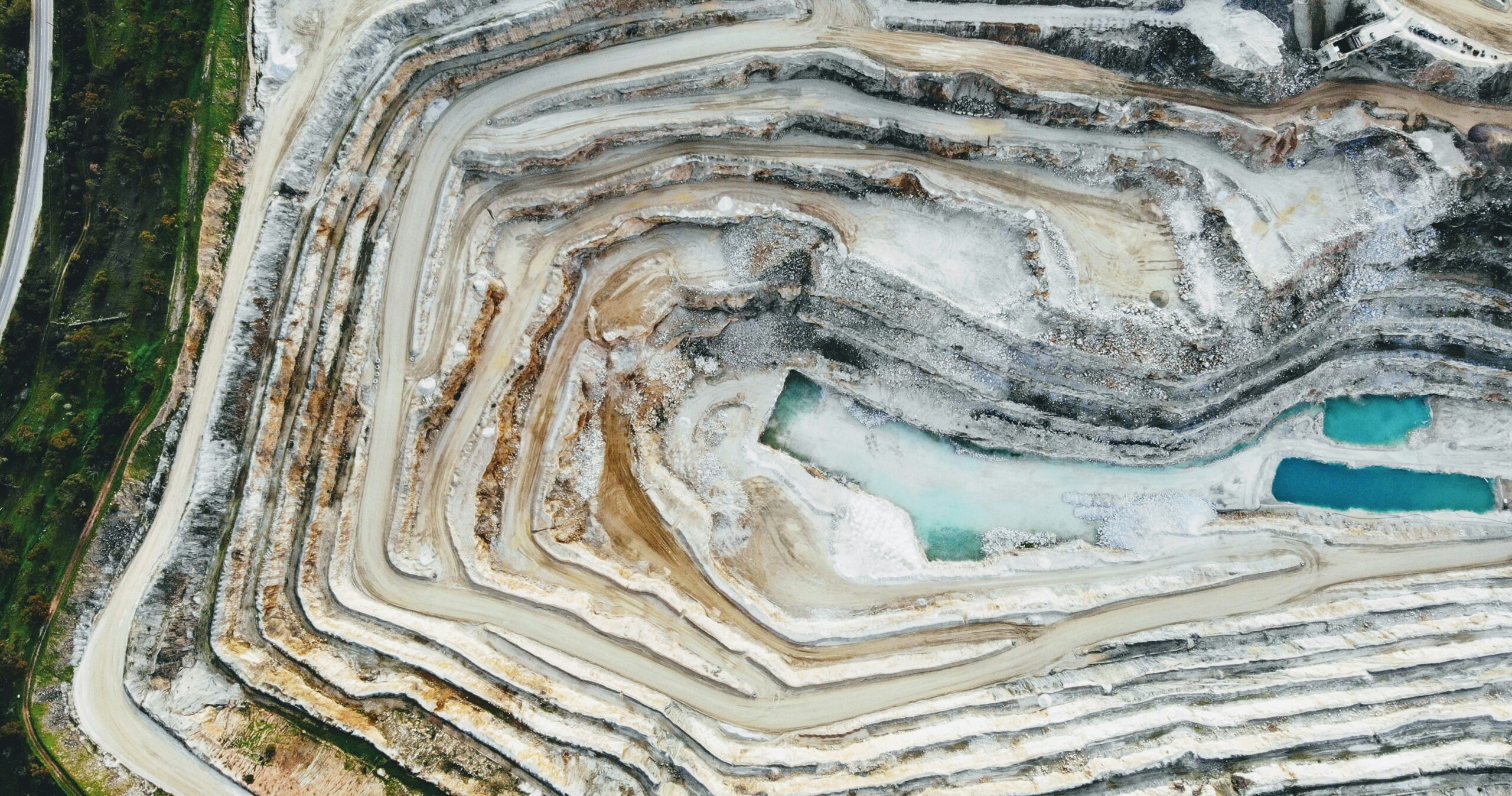
Weltweit ist ein sich zuspitzender Wettlauf um kritische Rohstoffe zu beobachten. Er heizt bewaffnete Konflikte an, zerstört Naturräume und ist zugleich von immenser Bedeutung für die europäische Wirtschaft und das Erreichen der Klimaschutzziele. Um soziale und ökologische Schäden wirkungsvoll zu begrenzen und zugleich wirtschaftliche Sicherheit zu gewährleisten, muss Deutschland eine proaktive Rohstoffaußenpolitik betreiben und eigene sowie europäische Kapazitäten stärken.

nEUrds Newsletter – G7 summit, Critical Minerals Action Plan, Multiannual Financial Framework (MFF), and NextGenerationEU

Welcome back to the latest edition of our nEUrds newsletter, where we dive deep into the riveting world of European economic policy with a twist of wit and a dash of insight.This time around, we break down the European Commission’s country‐specific analyses on each member’s fiscal headaches and bespoke public‐finance prescriptions, before zeroing in on the ECB’s latest quarter‐point cut to its deposit rate; unveil the EU’s ambitious rebrand of its securitization and retail investment markets; track the back‐and‐forth over the upcoming 18th Russia sanctions package; review fresh EU–US tariff tête-à-têtes; and close with defence developments. Plus, don’t miss our „Crystal Ball Gazing“ for a glimpse into the future, and „Page Turners and Screen Burners“ for your next favorite read.

nEUrds Newsletter – ECB’s Global Euro Report, US–China Trade Truce & the Clean Industrial Deal

Welcome back to the latest edition of our nEUrds newsletter, where we dive deep into the riveting world of European economic policy with a twist of wit and a dash of insight.This time around, we break down the European Commission’s country‐specific analyses on each member’s fiscal headaches and bespoke public‐finance prescriptions, before zeroing in on the ECB’s latest quarter‐point cut to its deposit rate; unveil the EU’s ambitious rebrand of its securitization and retail investment markets; track the back‐and‐forth over the upcoming 18th Russia sanctions package; review fresh EU–US tariff tête-à-têtes; and close with defence developments. Plus, don’t miss our „Crystal Ball Gazing“ for a glimpse into the future, and „Page Turners and Screen Burners“ for your next favorite read.

Canada after the election: the reliable transatlantic partner to the European Union

Democratic elections follow their own rules and developments. The Canadian Liberals had been way down in the polls during the last days of Prime Minister Trudeau’s term, just for having a massive turn around in the last couple of weeks before the election to nearly secure a majority government for them. Meanwhile, the Conservatives lost what looked like an insurmountable lead in the polls, now forced to watch a possible next era of Liberal dominance. How could this come about? What role did US-president Trump play? And what does this mean for the future of Canada – EU relations?

Raw materials, rebellion, Rwanda: The multilateral crisis in eastern DR Congo and its global implications

The ongoing crisis in eastern Democratic Republic of the Congo (DRC) is driven by a deadly interplay of armed rebellion, failed state institutions, and international complicity. The M23 militia’s recent takeover of Goma underscores the Congolese army’s systemic weakness, rooted in colonial legacies and decades of authoritarian rule. Meanwhile, over 7.8 million people are displaced, and international humanitarian aid has sharply declined. Rwanda’s renewed military backing of M23 reveals how ethnic narratives, security concerns, and economic interests – especially in mineral-rich areas – intertwine to perpetuate conflict. Despite evidence of illegal Rwandan involvement, European nations continue to invest in Rwanda’s mineral supply chains, effectively financing armed actors while underfunding the DRC. This double standard undermines the EU’s credibility and highlights broader geopolitical shifts that have accelerated since the U.S. scaled back its international commitments under the Trump administration. A sustainable solution requires Europe to align its values with its actions—through sanctions, supply chain oversight, military reform assistance, and robust civil society support. Only a coherent and value-driven EU policy can help break the cycle of exploitation and conflict in the Great Lakes region.

Georgia’s fight for EU: Protests against Russian interference

Georgia has been in a protracted crisis since the parliamentary elections in October 2024. Once a pioneer of democratic reforms in the post-Soviet region, the country has become increasingly authoritarian under the current government and has turned its back on the West. While the Georgian government has suspended EU accession talks until at least 2028, public sentiment remains overwhelmingly pro-European, with civil society mobilizing in protests against the government’s increasingly authoritarian trajectory. Despite the repression, public opposition remains strong. Georgia is at a crucial point that will influence the future direction of the country: Either it follows the Euro-Atlantic path, or it falls even more under Moscow’s influence.

nEUrds Newsletter – Your Guide to What’s Moving the Bubble: 7th Edition

Welcome back to the latest edition of our nEUrds newsletter, where we dive deep into the riveting world of European economic policy with a twist of wit and a dash of insight.This time around, we break down the European Commission’s country‐specific analyses on each member’s fiscal headaches and bespoke public‐finance prescriptions, before zeroing in on the ECB’s latest quarter‐point cut to its deposit rate; unveil the EU’s ambitious rebrand of its securitization and retail investment markets; track the back‐and‐forth over the upcoming 18th Russia sanctions package; review fresh EU–US tariff tête-à-têtes; and close with defence developments. Plus, don’t miss our „Crystal Ball Gazing“ for a glimpse into the future, and „Page Turners and Screen Burners“ for your next favorite read.

nEUrds Newsletter – Your Guide to What’s Moving the Bubble: 6th Edition

This week, we unpack the historic first post-Brexit UK-EU Summit – where leaders paved a “new chapter” with sweeping deals on fisheries, a streamlined sanitary and phytosanitary framework, and a landmark security & defence partnership – before decoding who really won (and lost) in the “grab bag” of agreements; we then turn to the EU’s 17th Russia sanctions package, the Commission’s plan to tame the flood of ultra-fast-fashion parcels with new handling fees, and the latest Trump-era tariff theatrics; finally, we spotlight the €150 billion SAFE arms-loan fund approved under the “ReArm Europe” push and consider what’s next for transatlantic and pan-European defence cooperation.

The Fight for the Diaspora – About Grievances and National Identity in Romanian Elections

The results of Romania’s 2024 first presidential round were not only a shock to the more reliable polling institutes inside the country, but were likewise a surprise for politicians, journalists and observers in the country and abroad. Most googled question of November 24: Who is Călin Georgescu? This is not only a story about foreign interference and online disinformation. It is also a story about millions of Romanians living abroad, long marginalised in national discourse, and now increasingly shaping the country’s democratic trajectory.

Let’s Start Looking East…and Listening to them, too!

Eastern Europe and Central Asia are often overlooked in discussions on democratic resilience, yet the region has become a frontline of resistance against authoritarianism and neo-imperialism. From Ukraine’s defiance of Russian aggression to grassroots movements in Georgia and Belarus, these examples demonstrate how lived histories of oppression fuel both pragmatic and idealistic struggles for democracy. This blog series highlights evolving, people-led forms of resistance that challenge unjust power and offer valuable lessons for global efforts to defend democratic values today.

The Unfinished Breakaway: Why Somaliland Matters to Global Stability

Until today, no government or international organisation has officially recognised the independence of Somaliland, a breakaway region of Somalia. Fearing to fuel other secessionist movements on the Continent, the African Union and other actors are hesitant to take any action. However, Somaliland functions with greater political stability and democratic governance than Somalia itself.

Feminist Foreign Policy in Times of Zeitenwende: Germany’s Policy on Arms Exports to Saudi Arabia (Event Report)

On June 3rd, 2024, the Gender & International Politics programme of Polis180 hosted an engaging and thought-provoking online discussion featuring Ruth Rohde, a researcher and project coordinator at Shadow World Investigations UK. Rohde is also co-founder and programme manager of the Corruption Tracker project. Rohde holds an M.A. in International History and Politics from the … Weiterlesen …

The High Cost of Ignoring Nagorno-Karabakh: How Unresolved Grievances and Geopolitical Interests Fuel Future Conflict

Nagorno-Karabakh may have fallen to Azerbaijan in 2023, but the conflict is far from over. Decades of ethnic tensions and geopolitical power plays have left deep scars that continue to unfold in regional and international courts today, while over 100,000 Karabakh-Armenians remain displaced. The EU’s failure to act decisively – prioritizing energy security over humanitarian responsibility – has only exacerbated the situation. This blog post explores how colonial decisions, geopolitical maneuvering, and international inaction led to today’s status quo. Looking ahead, the risk of renewed conflict, particularly over Azerbaijan’s ambitions for the Zangezur corridor, remains high, threatening further instability in the South Caucasus with lasting consequences for regional and European security.