Allez l’Europe! Polis180 startet deutsch-französische Zukunftswerkstatt

Im Juni veranstalten wir eine Workshopreihe zur Zukunft der deutsch-französischen Beziehungen in und für Europa. Im Rahmen von sechs Workshops in Berlin, Paris und Frankfurt werden junge deutsche und französische EuropäerInnen eingeladen, gemeinsam über die Herausforderungen Europas zu diskutieren, Lösungsvorschläge zu entwickeln und auszutesten.

Ein Beitrag von Claire Saillour

Weiterlesen …

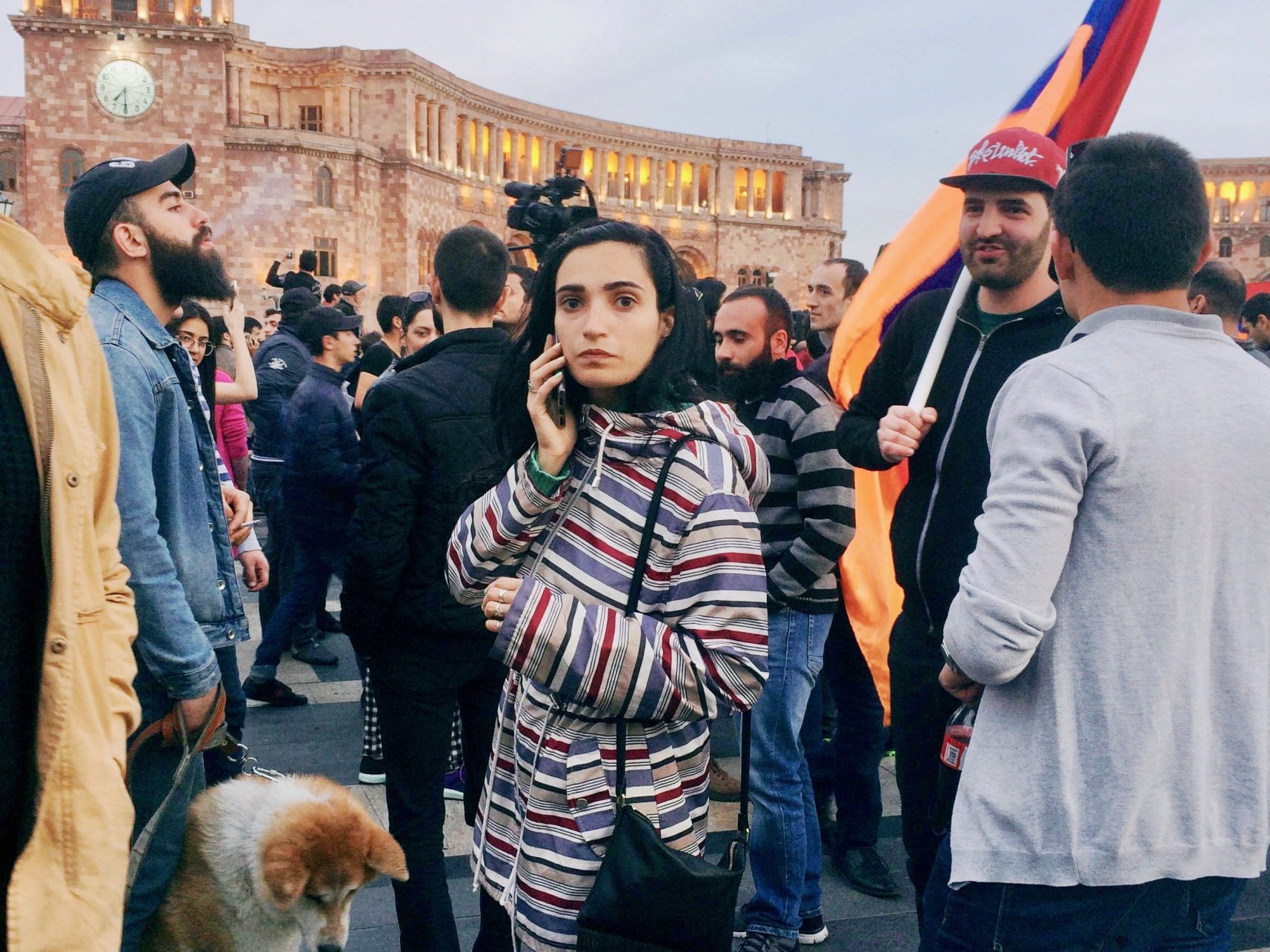
Why Armenians Call for a Velvet Revolution

For almost a week now, huge rallies have shaken the Armenian capital of Yerevan, where Nikol Pashinyan, one of the leaders of the movement, called for a “velvet revolution”. But will the protesters this time successfully press for democratic accountability?

An Interview with Olya Azatyan and Sonja Schiffers

Weiterlesen …

Humanitäre Hilfe für den Krieg

Über zwei Milliarden Dollar hat die UN-Geberkonferenz in Genf erneut für den Jemen zugesagt, um die seit 2015 anhaltende humanitäre Krise zu bewältigen. Es sind rund eine Milliarde mehr als im vorigen Jahr. Aber was bringt das viele Geld, wenn nach wie vor Bomben auf Zivilisten fallen?

Ein Interview mit Anne-Kathrin Glück und Benedikt van den Woldenberg

Weiterlesen …

UN Peacekeeping Budget Cuts Force Us to Think More Creatively

In a global political climate where critics of multilateralism grow in numbers and conflicts become increasingly complex, peacekeeping missions are facing major challenges. Enhanced coordination, sustainable training and innovative thinking are therefore crucial in overcoming those obstacles.

An Interview with Benedikt van den Woldenberg and Diego Salama

Weiterlesen …

Super Election Year in Latin America: Peace, Polls & Populism

2018 marks a decisive year for Latin America with six presidential elections that will reshape the political landscape for the foreseeable future. As the continent shifts to the right and female political leaders depart, the backlash against gender equality and LGBTQ rights becomes inevitable.

A Comment by Lena Riemer

Weiterlesen …

The Colombian Transformation Process: Why Gender is Key

The end of the Colombian civil war in 2016 and the transformation of the FARC guerrilla into a political party has been met with international praise, especially with regards to the inclusive process focusing on women’s perspectives. While their role is crucial, consequent political events threaten to put this ambitious project in jeopardy.

A Comment by Frauke Seebass

Weiterlesen …

Russia’s Opposition Drama: Drop the Boycott or Drop the Ballot

A unified democratic opposition could send an important message to the ruling elites in Russia. However, the opposition is deeply divided over the question whether to boycott the elections or go to the ballot. While there is no correct answer to this question, splitting the already tiny democratic camp is definitely the wrong one.

A Comment by Anastasia Vishnevskaya

Weiterlesen …

“Young People Want to Move Around Europe Freely”

The impact of a hard Brexit on Scotland’s youth and the public in general could shape the country’s future. The lack of clarity within the Brexit negotiations is leading to a battle between Westminster and Holyrood, only worsened by Scotland’s missing seat at the negotiating table.

An Interview with Joan McAlpine and Rhianna Mallia

Weiterlesen …

Talking Think Tanks and Beyond

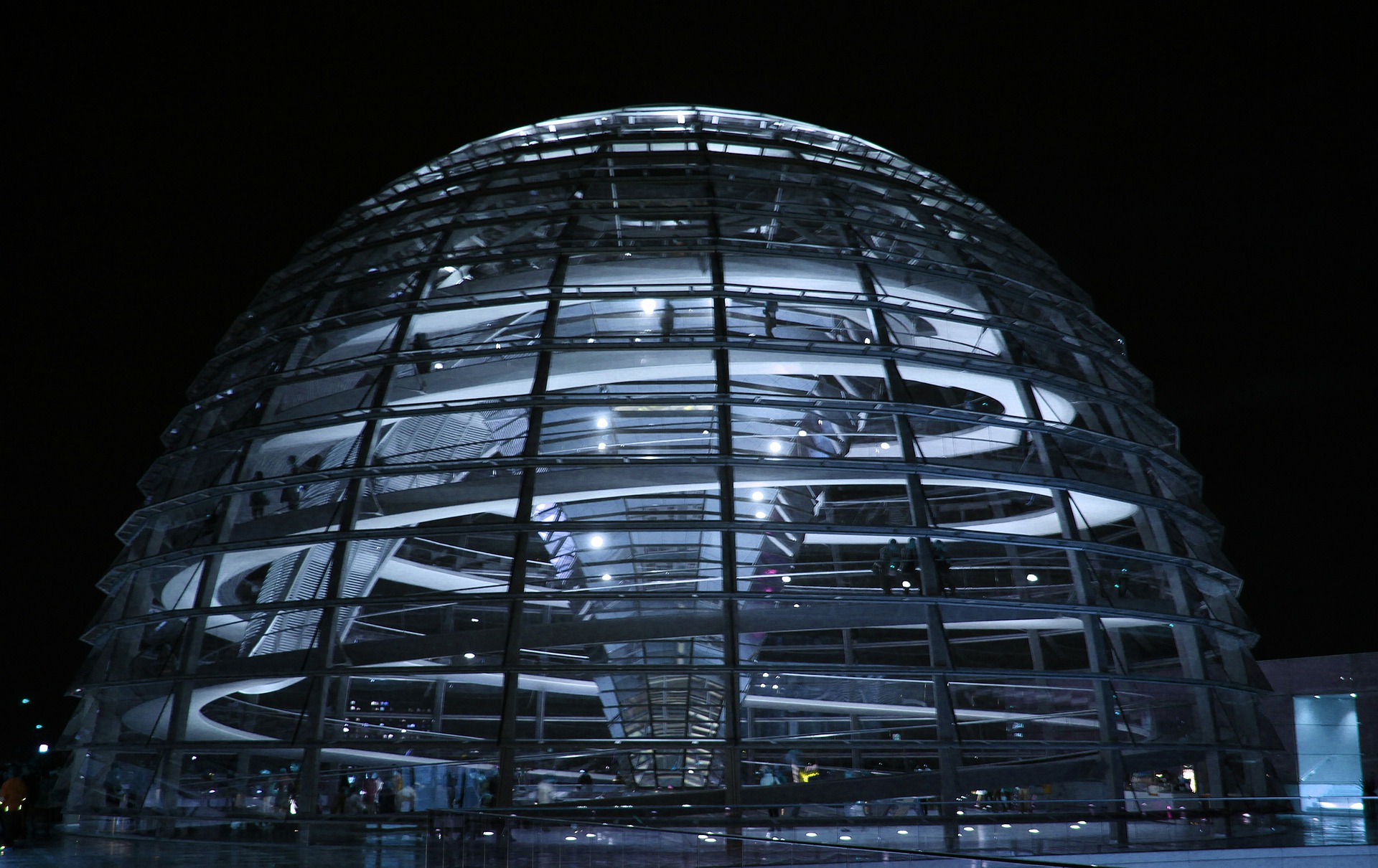
What think tanks across the world do is analyse, discuss and inform policy. At the same time, they face many, in some respects increasing, challenges to their core activities. So how should think tanks adapt to a changing world? In which areas is improvement indispensable? And why are think tank directors usually male?

An Interview with Enrique Mendizabal and Sonja Schiffers
Weiterlesen …

Foreign Policy Review: Polis180 kommentiert neuen Koalitionsvertrag

Bisher hat sich die junge Generation noch nicht öffentlich zu den außenpolitischen Zielen der (möglichen) Großen Koalition geäußert. Dabei bestimmen die Entscheidungen von heute die Realität der Jugend von morgen. Polis180 hat den neuen Koalitionsvertrag mal genauer unter die Lupe genommen und die Vereinbarungen in Sachen Außenpolitik fleißig analysiert.

Politische Statements von Polis-Mitgliedern

Weiterlesen …

Civil Society Can Do More Than Promote Gender Equality

After Germany held the G20 presidency in 2017, it is now on Argentina to promote female empowerment and civil society engagement. Last December, during the 11th WTO Ministerial meeting, numerous civil society experts were blocked from entering the country. Thus, it remains to be seen how Argentina’s G20 presidency will deal with the fundamental role of civil society.

An Interview with Barbara Fürst, Charlotte Becker and Miriam Meier

Weiterlesen …

UK Pen Pal: A Candid Correspondence on Brexit

For the second episode of our UK-pen-pal project, where young Europeans can share their view on Brexit, we teamed up with a political science student from France and a language professional from Britain. The vague prospects of Brexit were at the center of part I. This time, our pen pals discuss the benefits, disadvantages and prejudices of a united Europe.

A Correspondence between Camille Duserre and Patrick von Gehm
Weiterlesen …

UK Pen Pal: A Candid Correspondence on Brexit

This project was born from the idea to bring young people together from across Europe and let them exchange letters, where they can discuss Brexit and share their feelings and concerns about it. We want to couple a pal from the UK with a pal from one of the remaining 27 EU member states and try to connect Brexit supporters with Brexit opponents.

A Correspondence between Rowan Emslie and Saúl Paiz
Weiterlesen …

How Women in Tech Fight for Development and Good Governance

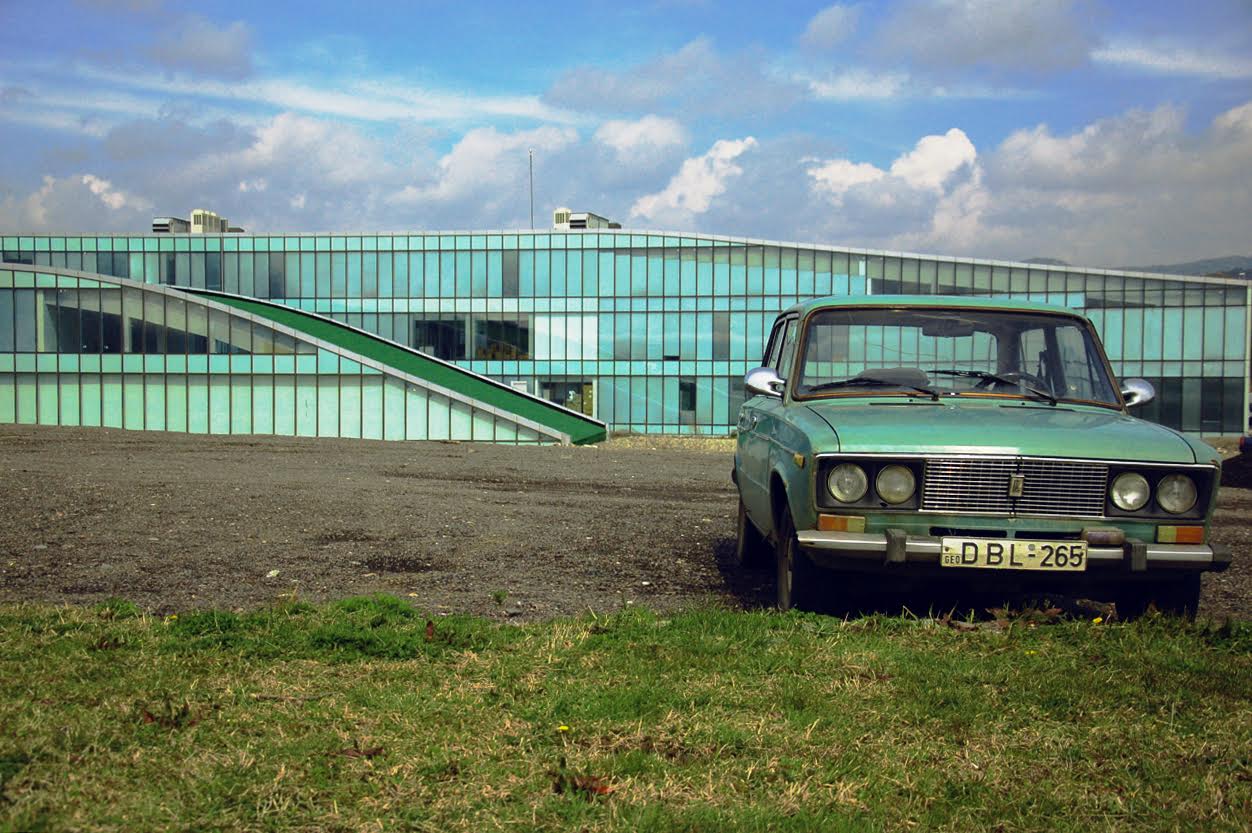
Georgia has undergone major political and economic reforms since the 2003 Rose Revolution. After years of rapid transformation, the recent decrease in speed seems only natural. Still, many problems are left to tackle. At this stage, donors and investors should keep a close eye on young, tech-savvy social entrepreneurs, whose engagement can inspire change in Georgia and abroad.

A Comment by Sonja Schiffers

Weiterlesen …

The Chances and Challenges of Georgia’s EU Association Process

After a Soviet-dominated 20th Century, Georgia is trying hard to make the 21st a European one. By signing the Association Agreement in 2014, the South Caucasus country has significantly deepened its integration into the EU. What are the benefits and challenges for Georgia? And how can potential risks be mitigated?

An Interview with Kakha Gogolashvili and Sonja Schiffers
Weiterlesen …

Die Grünen und das Internationale

Die Vorhaben einer Regierung werden durch den Koalitionsvertrag geregelt. Den Charakter einer Regierung bestimmt die Zusammensetzung des Kabinetts und die Frage, welche Partei welche Ministerien erhält. Bündnis 90/Die Grünen sollten nach dem Auswärtigen Amt streben. Warum? Weil das Internationale zu ihrer DNA gehört.

Ein Kommentar von Michael Knoll

Weiterlesen …

What I Have Learned from Travelling Through Post-2014 Ukraine

I left Berlin for Ukraine in autumn 2016 with the aim of analysing post-Euromaidan civil society organisations and their support for internally displaced people. I travelled through different parts of the country and interviewed several people in Kiev, Dnipro and Kharkiv. Here is what I have learned about the power of civil society.

A Travel Report by Sophie Falsini

Weiterlesen …

Peace and Conflict Studies: 5 Urgent Questions of the Discipline

The interest in peace as an academic pursuit originally evolved in 19th-century America and Sweden, and is now well-established in the social sciences. But what exactly do we know about peace and the lack thereof? Here are five important issues about the modern concept of peace and the controversy surrounding it.

A Q&A by Janna Hartmann

Weiterlesen …

The Role of Female Entrepreneurship in a Globalised Economy

From small and medium enterprises to booming giants: the Business 20 forum brings international businesses, organisations and NGOs together for the purpose of sharing perspectives and experiences on finance, trade, healthcare and digitalisation. Polis180 asked a representative of the B20 about the opportunities and challenges of making our economy more gender-inclusive.

An Interview with Dr. Stormy-Annika Mildner and Lea Spörcke

Weiterlesen …

Wie fairer Handel Emissionsverlagerungen verhindern kann

Der internationale Klimaschutz verläuft nun endgültig mit unterschiedlichen Geschwindigkeiten, was die Gefahr von der Verlagerung von Treibhausgasemissionen mit sich bringt. Damit eine Koalition der Willigen trotzdem den Klimaschutz in der gebotenen Tiefe und Geschwindigkeit betreiben kann, sind Grenzanpassungen von CO2-Abgaben notwendig.

Ein Beitrag von Sebastian Levi

Weiterlesen …

What Do Young People Think About G20 and Women’s Economic Empowerment?

The G20’s civil society dialogue offers a platform for a whole range of important stakeholders. But what do young people think about female leadership or climate change? As part of our blog series on the G20 and women’s economic empowerment, we took a closer look at the ideas of the Youth 20 Dialogue.

An Interview with Rupert S. Heindl and Leokadia Melchior

Weiterlesen …

The EU Sanctions on Russia: United in Diversity

While the EU could divide in reaction to new U.S. sanctions on Russia, it should now do its best to not let consensus crumble. The EU’s policy towards Russia has so far not coerced the Kremlin into facilitating an end to the conflict in eastern Ukraine. But it has unified European actors and served as an example of the EU’s strength in unity and defence of liberal values.

A Comment by Elyssa Shea and Niklas Kossow

Weiterlesen …

Can the G20 Foster Women’s Economic Empowerment?

Everyone talks about Germany’s G20 presidency, but the accompanying civil society dialogue process is lesser-known thus far. Who are the groups participating in this process? What are their main agendas? And how can the G20 promote women’s economic empowerment?

An Interview with Juliane Rosin and Lea Spörcke

Weiterlesen …

Brexit Heartbreak and the Democratic Deficit

The UK’s decision to exit the EU left our generation feeling bleak and worried about the direct impact Brexit will have on our future. Around 75 percent of the 18- to 24-year-old voted remain. On the other side of the channel, young think tanks like Polis180 and Social Science Works work fervidly to make our voice heard.

An Interview with Sarah Coughlan and Sophie Pornschlegel

Weiterlesen …