
Ein Interview mit Frauke Seebass
Format: Blog
Wind of change in Dagestan?

The diversity of Dagestan – along with its wider North Caucasian neighbours – is in public conscience often pushed aside over a monotony of news on violence and chaos. In the region itself, confidence is rising that this is about to change. We should thus turn our attention to this intriguing republic, which might face a future brighter than its often-perceived reductionist image might suggest.
A Comment by Mario Baumann
Why Germany will not come to the UK’s rescue in Brexit negotiations

A Comment by John McStravick
Kooperation trotz Radikalisierung? Transatlantische Überparteilichkeit im Trump-Zeitalter
Ein Beitrag von Robert Fisher
“Polis180 goes OpenTTN”
A Comment by Laura Menzel and Lydia Wachs
Mehr Umweltschutz durch das EU-MERCOSUR Assoziierungsabkommen?

Ein Beitrag von Jule Könneke
European cyber security month: A review of cybersecurity policy in the EU
A Comment by Esther Kern and Susanne Zels
No country for old men: Die Europawahl 2019 in Zahlen
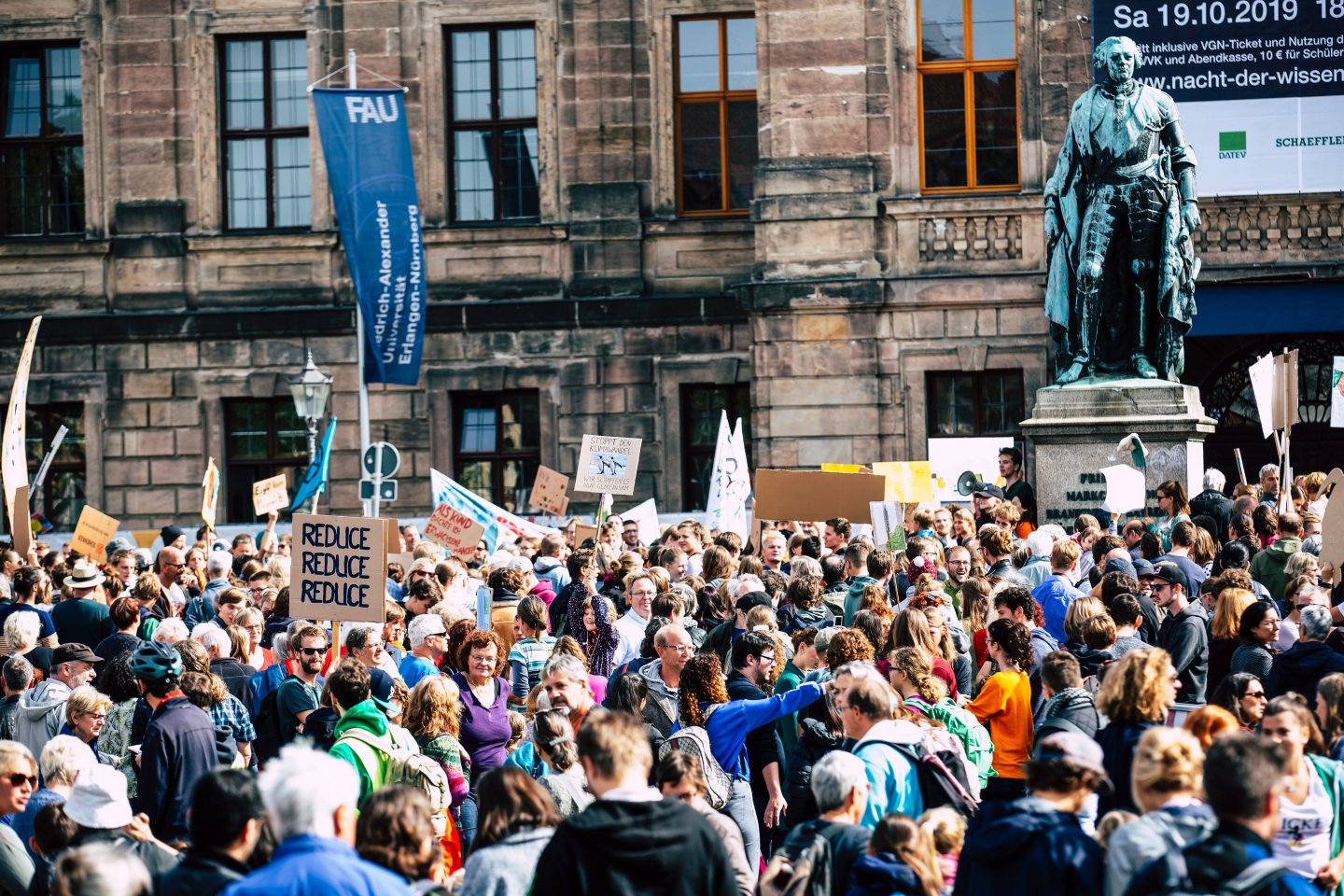
Die diesjährige Europawahl stand ganz im Zeichen der Klimakrise und junger Menschen, die zu zehntausenden auf die Straße gingen. Doch wo haben die WählerInnen in Deutschland letztlich ihr Kreuz gemacht? Und zeigt sich der Protest junger Menschen auch an der Wahlurne? Der Bundeswahlleiter hat zu diesen Fragen nun die Daten geliefert.
Ein Kommentar von Christoph Abels mit Grafiken des Einfachen Dienstes
Keine Wechselstimmung an der Weichsel
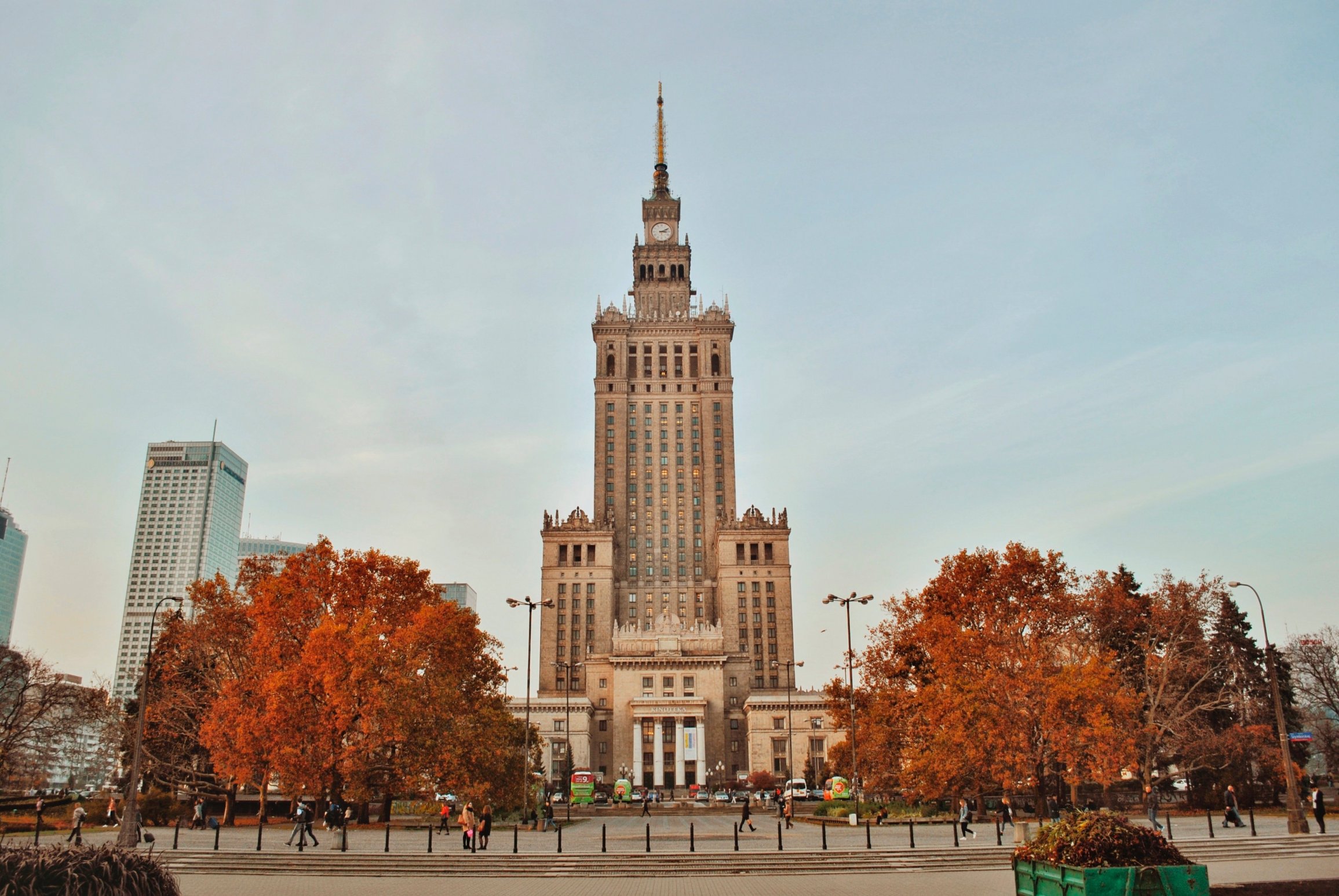
Ein Kommentar von Ricarda Lindau
Die Blockchain-Strategie der Bundesregierung: eine Weichenstellung hin zur Token-Ökonomie?

Ein Kommentar von Nikolas Klausmann
Regierungswechsel im Kosovo: Auf dem Weg zur Selbstbestimmung?
Ein Kommentar von Frauke Seebass
On the edge of the EU where human dignity is disregarded
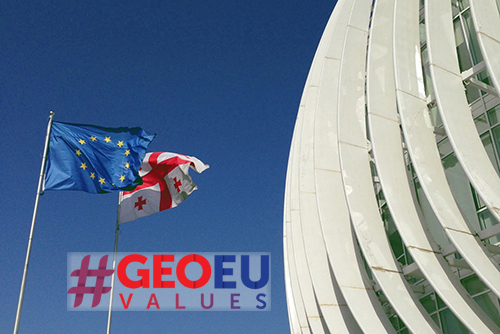
Upon the implementation of the EU-Turkey Deal in 2016, the Greek island Samos, located close to the Turkish mainland, has become a place where asylum seekers arrive to Europe and are trapped for an indefinite time. Lea Rösner, a LL.M. student in International Human Rights Law, who had been giving legal information to asylum seekers, speaks about the situation on the Greek island, her work and experiences.
An Interview with Lea Rösner and Lydia Wachs
We are here today developing ideas – that is a luxury!
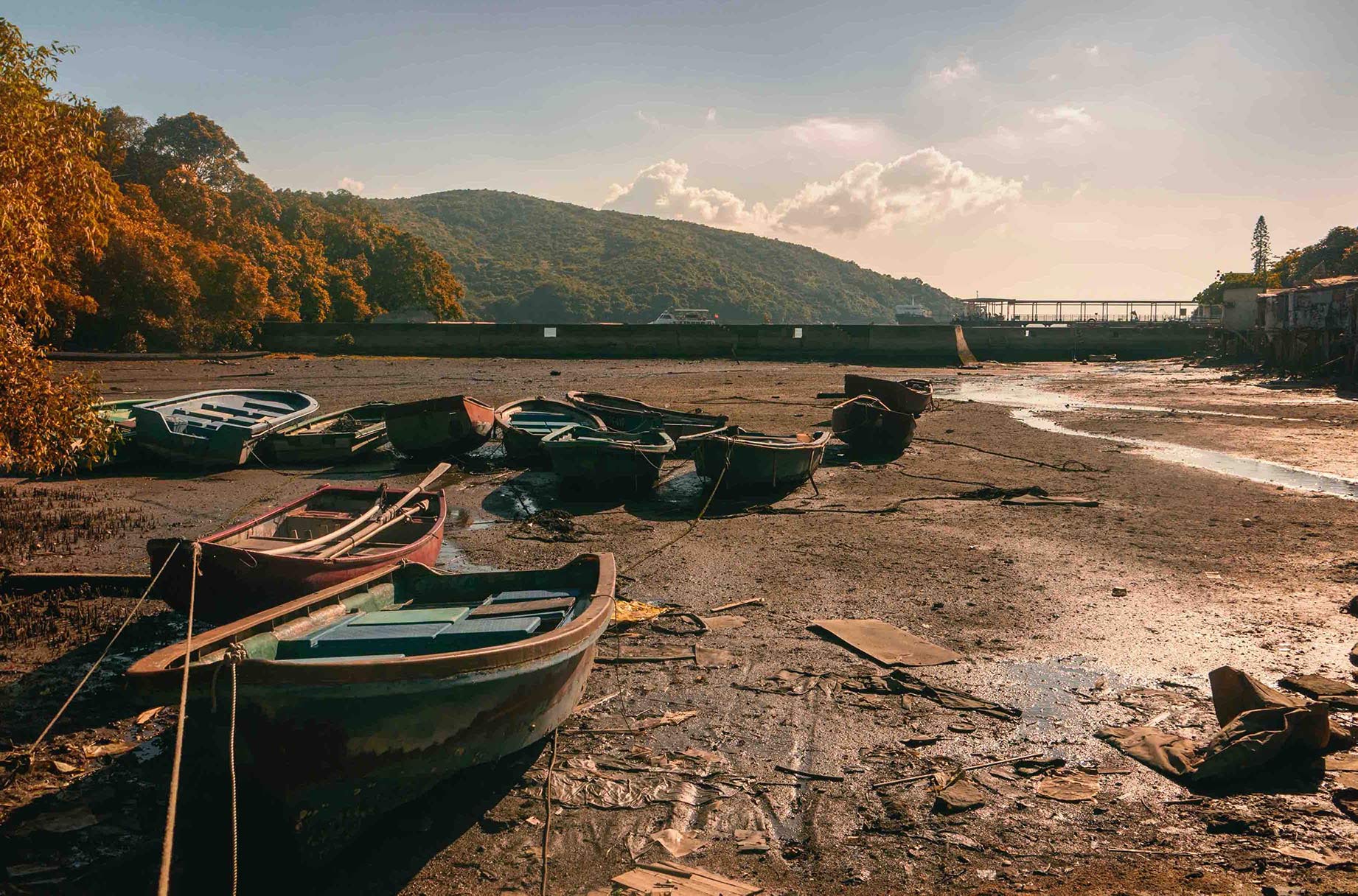
Daniel Hardegger, co-founder and former board member of Polis180 e.V., was the opening keynote speaker at the 10. Changemakers Summit in Tartu, Estonia, at the beginning of June. He spoke about the future of democracy, the changing public space and the next generation of leaders. Andrei Liimets of the Estonian Good Citizen magazine asked the Swiss visionary about these issues.
An Interview with Andrei Liimets and Daniel Hardegger
Diagnosis: Polarisation? Call for Polis Blog articles #EP2019
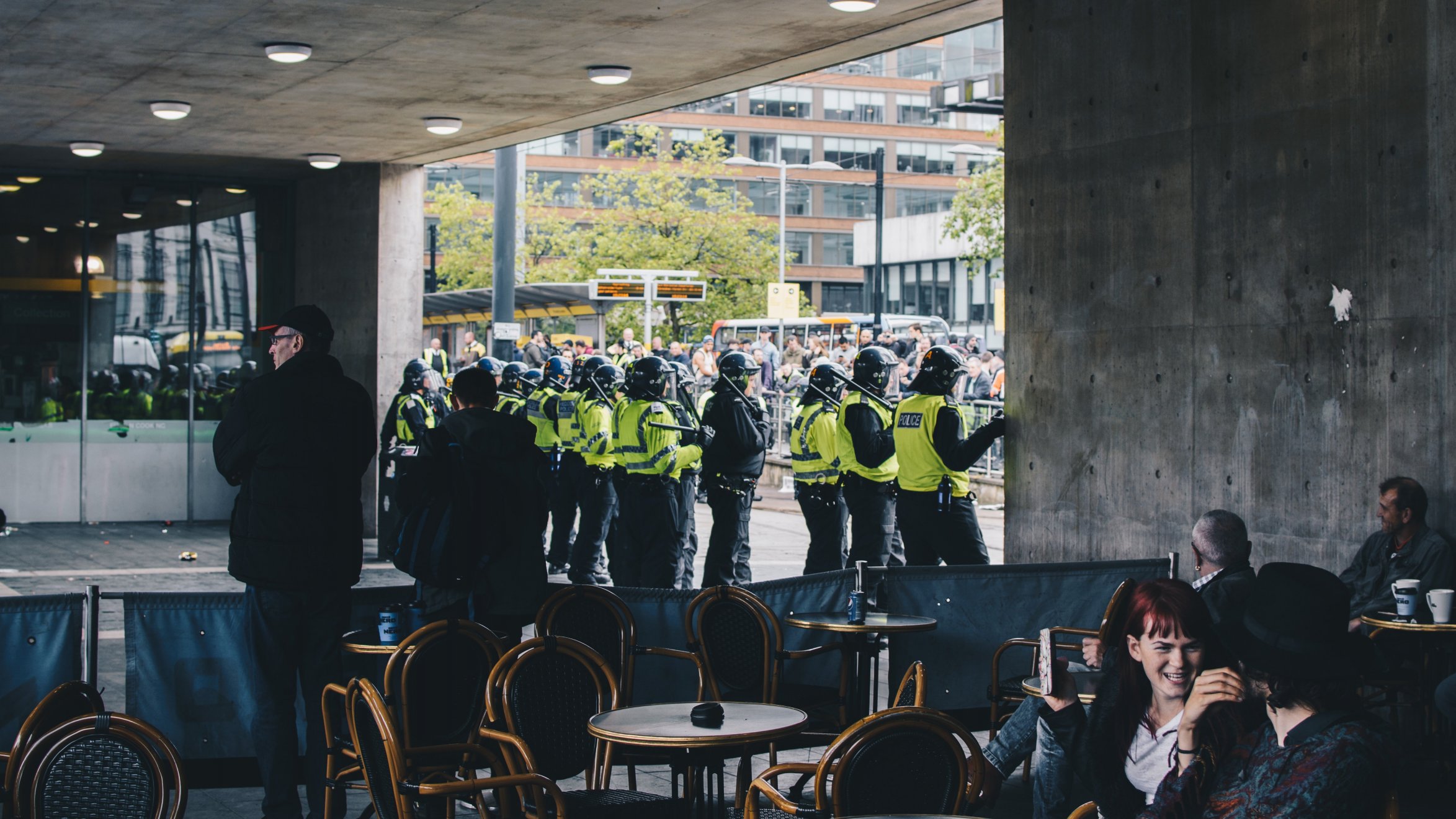
It’s your turn to shape the debate!
Nur Populismus? AfD will das Europäische Parlament „abschaffen“
Ein Kommentar von Nikolas Klausmann
What about the patriarch? Church, society & sexual minority rights in Georgia
A Comment by Simon Schultz
European values as a tool against right-wing populism
A Comment by Gabriela Langholf
„jung & nEUgierig“: Das Workshop-Format für Erstwähler
Ein Beitrag von Kristin Puschmann
Maximum wage for managers? Are you crazy? That’s inefficient!
A Project Report by Ihor Dmytrenko
When women take up arms and what that means for DDR processes

A Comment by Britta Gade
COP24: Eine Analyse der UN-Klimakonferenz in Katowice
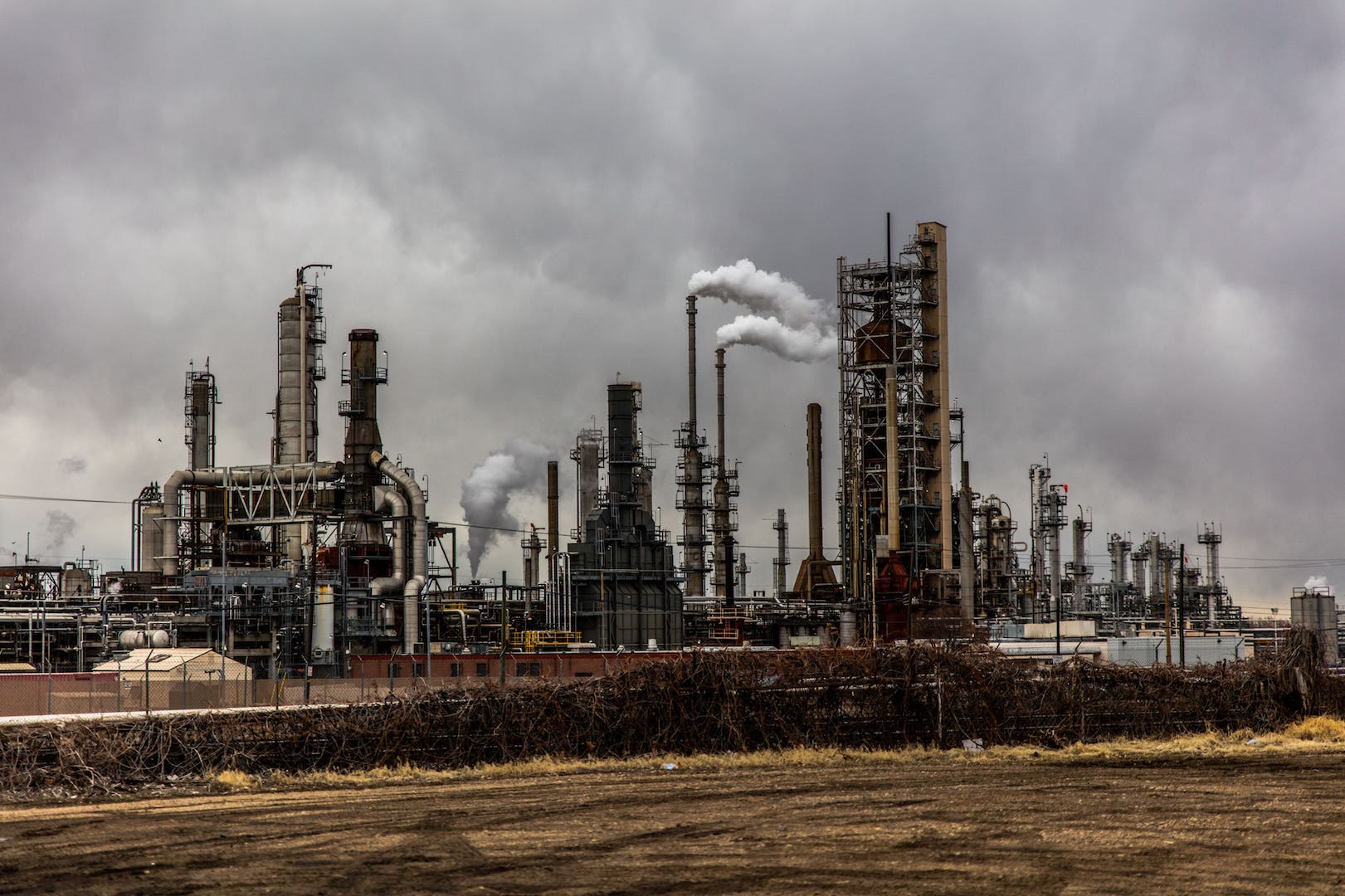
Anfang Dezember wurde im polnischen Katowice das Regelbuch zur Umsetzung des Paris Agreements ausgehandelt. Doch statt der eigentlichen Regeln standen die Unterschiede zwischen den Formulierungen „begrüßen“ und „zur Kenntnis nehmen“ im Zentrum der Diskussionen. Und es wurden blaue Turnbeutel verteilt.
Ein Beitrag von Kerstin Mohr
Trendy Tbilisi: where Georgian fashion meets public diplomacy

Tbilisi has recently become the next trendy destination in Europe, thanks to its dynamic cultural life. The growing fashion scene has helped to bring new kinds of visitors to a country that was mostly known to adventurous hikers. In the context of its European integration process, promoting and investing in attractive industries could be an innovative way for Georgia to demonstrate its Europeanness and foster exchange – with taste!
A Comment by Lorraine Vaney
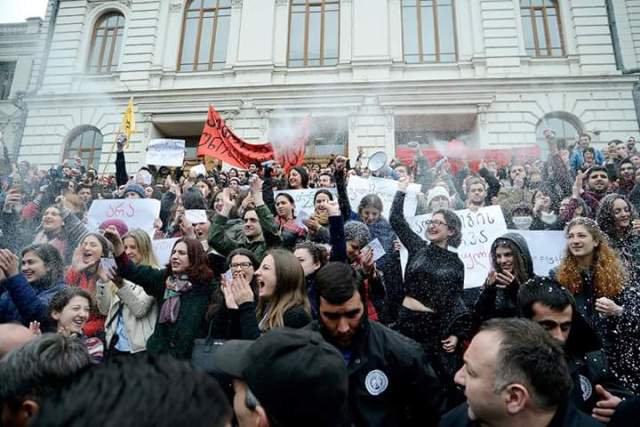
Beyond top-down democratisation: protests of Georgian students, ‘ravers’ and workers
A Comment by Tornike Bakakuri
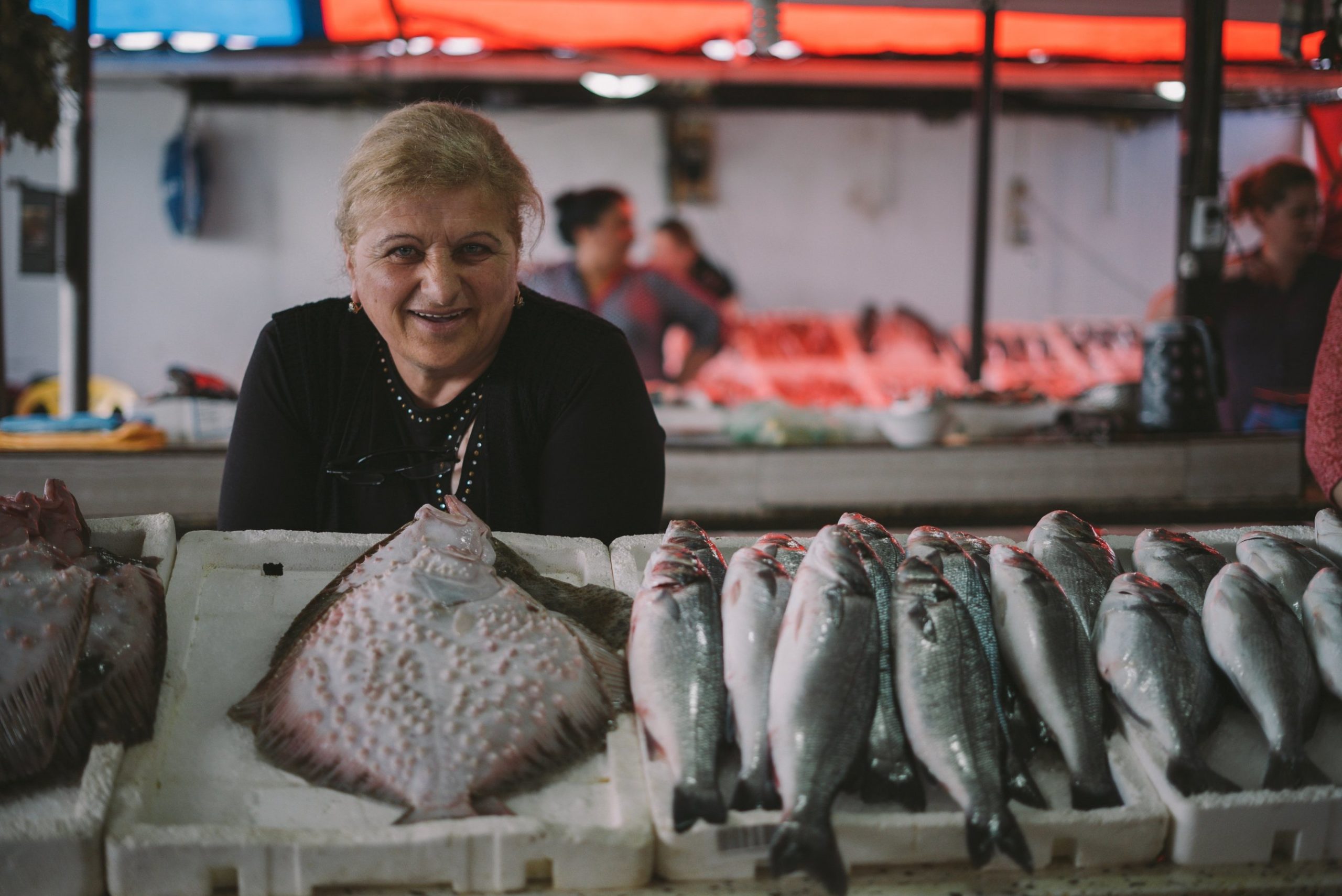
The Future of the Eastern Partners: 6 Lessons from the Western Balkans
A Comment by Frauke Seebass
Midterm Elections 2018: Die Ergebnisse exklusiv zusammengefasst
Ein Beitrag von Esther Kern, Felix Stoßmeister und Laura Menzel
„Demokraten haben keine Chance, wenn sie ihre politische Mitte aufgeben”
Ein Interview mit Dr. Constanze Stelzenmüller von Esther Kern & Laura Menzel
Why pulling out of the INF is an astonishingly bad idea
In the discussion about US President Donald Trump’s announcement to withdraw from the INF there are two seemingly contradictory truths. The first one lies in Russia breaching its obligations under the treaty. The second truth is that the US is making a mistake to retreat from the INF nonetheless.
An Opinion by Alexander Sorg
Weshalb im November 2018 die wichtigsten US-Zwischenwahlen seit Jahrzehnten anstehen
Ein Beitrag von Florian Gawehns
Wie der Abbau von Handelsschranken zum progressiven Projekt wird
Ein Beitrag von Robert Fisher
Die prekäre Lage der Republikanischen Partei
Ein Beitrag von Orchan Ali-sade