Peace and Conflict Studies: 5 Urgent Questions of the Discipline

The interest in peace as an academic pursuit originally evolved in 19th-century America and Sweden, and is now well-established in the social sciences. But what exactly do we know about peace and the lack thereof? Here are five important issues about the modern concept of peace and the controversy surrounding it.

A Q&A by Janna Hartmann

Weiterlesen …

The Role of Female Entrepreneurship in a Globalised Economy

From small and medium enterprises to booming giants: the Business 20 forum brings international businesses, organisations and NGOs together for the purpose of sharing perspectives and experiences on finance, trade, healthcare and digitalisation. Polis180 asked a representative of the B20 about the opportunities and challenges of making our economy more gender-inclusive.

An Interview with Dr. Stormy-Annika Mildner and Lea Spörcke

Weiterlesen …

Wie fairer Handel Emissionsverlagerungen verhindern kann

Der internationale Klimaschutz verläuft nun endgültig mit unterschiedlichen Geschwindigkeiten, was die Gefahr von der Verlagerung von Treibhausgasemissionen mit sich bringt. Damit eine Koalition der Willigen trotzdem den Klimaschutz in der gebotenen Tiefe und Geschwindigkeit betreiben kann, sind Grenzanpassungen von CO2-Abgaben notwendig.

Ein Beitrag von Sebastian Levi

Weiterlesen …

What Do Young People Think About G20 and Women’s Economic Empowerment?

The G20’s civil society dialogue offers a platform for a whole range of important stakeholders. But what do young people think about female leadership or climate change? As part of our blog series on the G20 and women’s economic empowerment, we took a closer look at the ideas of the Youth 20 Dialogue.

An Interview with Rupert S. Heindl and Leokadia Melchior

Weiterlesen …

The EU Sanctions on Russia: United in Diversity

While the EU could divide in reaction to new U.S. sanctions on Russia, it should now do its best to not let consensus crumble. The EU’s policy towards Russia has so far not coerced the Kremlin into facilitating an end to the conflict in eastern Ukraine. But it has unified European actors and served as an example of the EU’s strength in unity and defence of liberal values.

A Comment by Elyssa Shea and Niklas Kossow

Weiterlesen …

Can the G20 Foster Women’s Economic Empowerment?

Everyone talks about Germany’s G20 presidency, but the accompanying civil society dialogue process is lesser-known thus far. Who are the groups participating in this process? What are their main agendas? And how can the G20 promote women’s economic empowerment?

An Interview with Juliane Rosin and Lea Spörcke

Weiterlesen …

Brexit Heartbreak and the Democratic Deficit

The UK’s decision to exit the EU left our generation feeling bleak and worried about the direct impact Brexit will have on our future. Around 75 percent of the 18- to 24-year-old voted remain. On the other side of the channel, young think tanks like Polis180 and Social Science Works work fervidly to make our voice heard.

An Interview with Sarah Coughlan and Sophie Pornschlegel

Weiterlesen …

The Irony of Theresa May’s Bold Move

The plan to strengthen her position as Prime Minister by holding early elections viciously backfired. Losing the majority in Parliament, May now has to form an alliance with the right wing Northern Irish DUP. Meanwhile, the results determine her legacy: the woman that was nothing like the Iron Lady Margaret Thatcher.

A Comment by Adrian Eppel and Norbert Wessendorf

Weiterlesen …

Klimapolitik in Zeiten Trumps: Zwischen Schock und Optimismus (1.Teil)

Was bedeutet die Klima- und Energiepolitik der neuen US-Administration innen- und außenpolitisch? Das analysieren die Co-Programmbereichsleiter für Klima & Energie, Simon Blätgen und Stephan Hoare, in einem zweiteiligen Blogpost mit Blick auf wichtige Veränderungen seit den US-Wahlen. Der erste Teil widmet sich dem innenpolitischen Wandel.

Ein Beitrag von Simon Blätgen und Stephan Hoare

Weiterlesen …

What The EU Should Do Next

Today, Article 50 will officially be triggered by Theresa May. After long months of speeches and debates on each side of the Channel, the European Union now more than ever must prove its courage for decisive action. Because with the outset of the Brexit negotiations come many dossiers and uncertainties to the table.

A Comment by Adrian Eppel and David Tschorr
Weiterlesen …

Polis Brief 1 | Kompetent integriert

Polis180 etabliert ein neues Kurzformat, das „Polis Brief“. In der ersten Ausgabe plädieren Lisa Crinon, Anne-Marie Kortas, Adrian Sonder und Lea-Maria Warlich für neue, kompetenzbasierte Anerkennungsverfahren, um Geflüchtete besser in den deutschen Arbeitsmarkt zu integrieren.
Foraus Global Paper 1 | Europe.Think.Again

At the occasion of the Rome Treaties‘ 60th anniversary, we present five proposals written by young Europeans for a more democratic and more inclusive future for the European Union.

Zero-Days, Many Problems: Why Vault 7 Stresses The Importance Of Cybersecurity

The recent leaking of classified CIA files has raised great concern about the capacities of intelligence agencies to infiltrate computers, smartphones and smart TVs. Even more concerning is the use of zero-day exploits. If intel agencies collect zero-days instead of alarming those affected, it is very likely that global actors take advantage of these vulnerabilities.

A Comment by Christoph Abels

Weiterlesen …

What Britain Should Do Next

The British establishment is slowly coming to terms with the enormity of the legal and political cluster bomb that Brexit has unleashed on our society. The UK government and the EU will now define at the negotiating table what Brexit means in concrete terms. May´s government is aiming for the hardest of Brexits.

A Comment by Chris Ruff

Weiterlesen …

Are Northern Ireland’s Irish Brexit’s Biggest Losers?

In order to prevent a disaster for the Northern Irish, the Common Travel Area between the UK and Ireland must be retained. Here is why the existence of an open borders area between both countries is so relevant and why it plays such an important part in the Brexit negotiations.

A Comment by Kilian McDonagh

Weiterlesen …

Festung Europa: Warum wir jetzt über humanitäre Visa reden sollten

Tausende Menschen sterben im Mittelmeer. An den europäischen Grenzen erfrieren Schutzsuchende in Eiseskälte. Auf der anderen Seite des Mittelmeers herrschen menschenunwürdige Bedingungen. Wir gehen zurecht in Scharen gegen Trumps #MuslimBan und Mauerpläne auf die Straßen. Aber wir schweigen, wenn sich unser Europa in eine Festung verwandelt. Zeit, sich für humanitäre Visa einzusetzen.

Ein Beitrag von Jonas Freist-Held

Weiterlesen …

Was lehrt uns Populismus? Demokratien brauchen den öffentlichen Diskurs! (2.Teil)

Populismus ist ein Modewort und dass sich viele Menschen für seine Hintergründe und Auswirkungen interessieren, zeigte die hohe Besucherzahl unserer Veranstaltung ‘Was lehrt uns Populismus?’, die am 11. Januar 2017 in Berlin stattfand. Die geladenen ExpertInnen Isabell Hoffmann, Daniel Hegedüs, David Ehl und Ulrike Zeigermann waren sich einig: Positive Schlüsse sollten aus dem Phänomen Populismus nur sehr differenziert gezogen werden.

Ein Beitrag von Clara Kemme

Weiterlesen …

Populismus als Unwort des Jahres 2016? (1.Teil)

Paradoxerweise wurde Populismus 2016 zu einem Schlagwort im politischen Diskurs, obwohl das Konzept an sich sehr diffus ist. Wie lässt sich das erklären und was lässt sich daraus für den zukünftigen Umgang mit Populismus ableiten?

Ein Beitrag von Ulrike Zeigermann

Weiterlesen …

All Politicians are Populists, Aren’t They? (Part 2)

New political parties have emerged in civilised societies that breathe populist rhetoric to influence voters. In his article, David Ehl addresses the effects of populist politics and what the media, politicians and the people can do to counter it. Here is my response.

A Comment by Francisca Schmidt

Weiterlesen …

Gekommen, um zu bleiben: Der neue Populismus (2.Teil)

Der Populismus hat sich angeschlichen und viele von uns erschreckt. Aber was hat die Populismusforschung getan, als wir den Brexit für absurd hielten und über Donald Trump lachten? Der Politikwissenschaftler Daniel Hegedüs behandelt in seinem Artikel die Bedeutung des Populismus für die Demokratie und für Europa und hier ist meine Antwort darauf.

Ein Beitrag von Anna Leßmann

Weiterlesen …

Wieso illiberaler und euroskeptischer Populismus per se einen demokratischen Rückfall andeutet (1.Teil)

Im Lichte des aktuellen Vormarschs von illiberalem Populismus in Europa verlieren die theoretischen Überlegungen über das Verhältnis von Populismus und Demokratie im Allgemeinen ihre Relevanz. Im Umfeld der europäischen liberalen Demokratien hat Populismus wegen seines immanenten illiberalen Charakters eine per se schädliche Auswirkung auf die demokratische Qualität. Parallel dazu verwirklicht Euroskeptizismus das Outsourcing populistischer Konfliktdichotomien von der nationalen Politikebene auf die europäische und ermöglicht dadurch das stabile Überleben von populistischen Akteuren in nationalen Regierungspositionen.

Ein Beitrag von Daniel Hegedüs

Weiterlesen …

„Deutschland und die Ukraine haben mehr Gemeinsamkeiten als Unterschiede.“

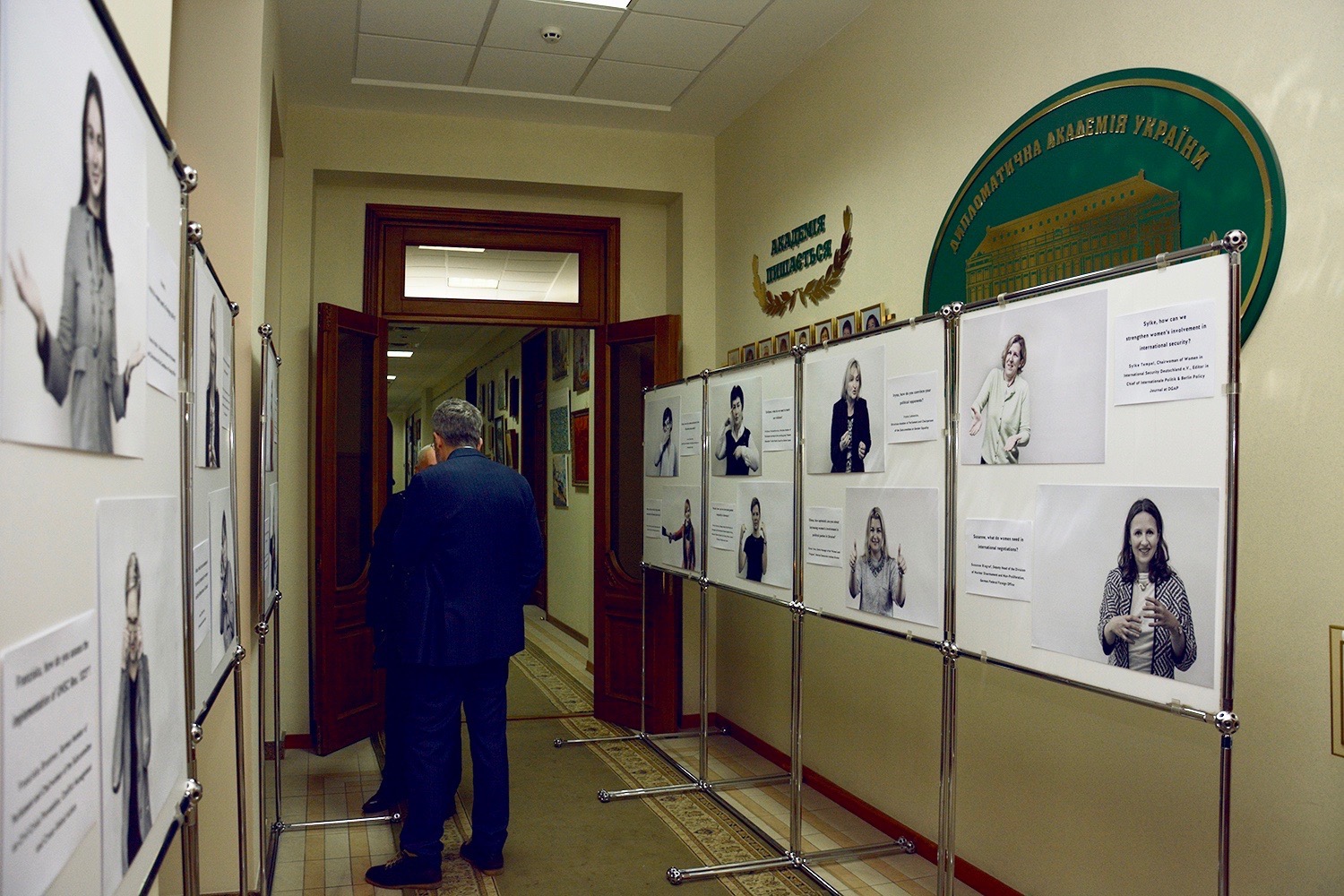
Welche Rolle spielen Frauen in der Politik? Darum ging es in den Seminaren und Diskussionen des Projekts „Beyond the Protocol – Frauen und internationale Politik in der Ukraine und in Deutschland“, die im Oktober und November in Kiew und Berlin durchgeführt wurden. Zwei Teilnehmerinnen des Projekts, eine Deutsche und eine Ukrainerin, sprachen über ihre Eindrücke.

Ein Interview von Inga Pylypchuk mit Nicola Habersetzer und Valeriia Railko

Weiterlesen …