Echo Chambers and Empty Streets: The Civic Cost of Disinformation

Disinformation increasingly targets NGOs and grassroots movements, undermining their credibility and legitimacy. By recycling xenophobic, anti-scientific, and conspiracy narratives, such campaigns can delegitimize legitimate protest, instrumentalize social movements for other political purposes, and open space for extremist actors. Whether centrally coordinated or not, they gain traction only when they tap into anti-democratic belief systems that already exist among parts of the population in Western societies, exploiting these attitudes as entry points to weaken democratic resilience from within.

Between Repression and Resilience: Georgia’s Fight for Democracy

For a year, Georgia has been witnessing one of the most sustained waves of protest in its modern history. Since late November 2024, citizens have been taking to the streets every day to protest against rigged elections and authoritarian legislation, demanding a democratic future and a return to the country’s European path. The government has responded by tightening control even further. Despite this democratic crackdown and ongoing repression, Georgia’s civil society has developed new tactics and solidarities, along with creative forms of resistance.

From Moscow with Laws: An Authoritarian Playbook of Rule by Law

Authoritarian regimes increasingly replace overt repression with legal control. By weaponizing laws to restrict NGOs, media, and civic activism, governments from Moscow to Budapest and Tbilisi transform rule of law into rule by law. This “legal authoritarianism” diffuses across borders, revealing how autocrats learn from each other to silence dissent while creating a façade of legality.

Decolonising Feminism(s): The Fading Echo of Solidarity for “Women, Life, Freedom”

We heard these slogans on the news, we saw them on social media, and we shouted them in the streets. The Women, Life, Freedom movement did not only erupt within Iran, but also sparked protests in Western countries such as Germany, Canada and France. Around the world, protesters had a clear goal: the fight for human rights, especially women*’s rights. But while their slogans were the same, the difference between the protests in Iran and those in the West could not be greater.

Decolonising Feminism(s): Women* in Resistance & Resilience

Why is it that when we talk about feminism(s), it so often appears to be a Western, academic invention? In this article, we delve into the buried histories and feminist battles that have long existed and still do outside the Western narrative, because feminism(s) has never been a single story; there have always been many. By listening rather than leading, we can begin to unlearn the dominance of Western narratives and recognise the diverse feminisms that have shaped our shared struggle for freedom.

Der globale Wettlauf um kritische Rohstoffe: Risiken und Chancen einer europäischen Bergbau-Renaissance

Weltweit ist ein sich zuspitzender Wettlauf um kritische Rohstoffe zu beobachten. Er heizt bewaffnete Konflikte an, zerstört Naturräume und ist zugleich von immenser Bedeutung für die europäische Wirtschaft und das Erreichen der Klimaschutzziele. Um soziale und ökologische Schäden wirkungsvoll zu begrenzen und zugleich wirtschaftliche Sicherheit zu gewährleisten, muss Deutschland eine proaktive Rohstoffaußenpolitik betreiben und eigene sowie europäische Kapazitäten stärken.

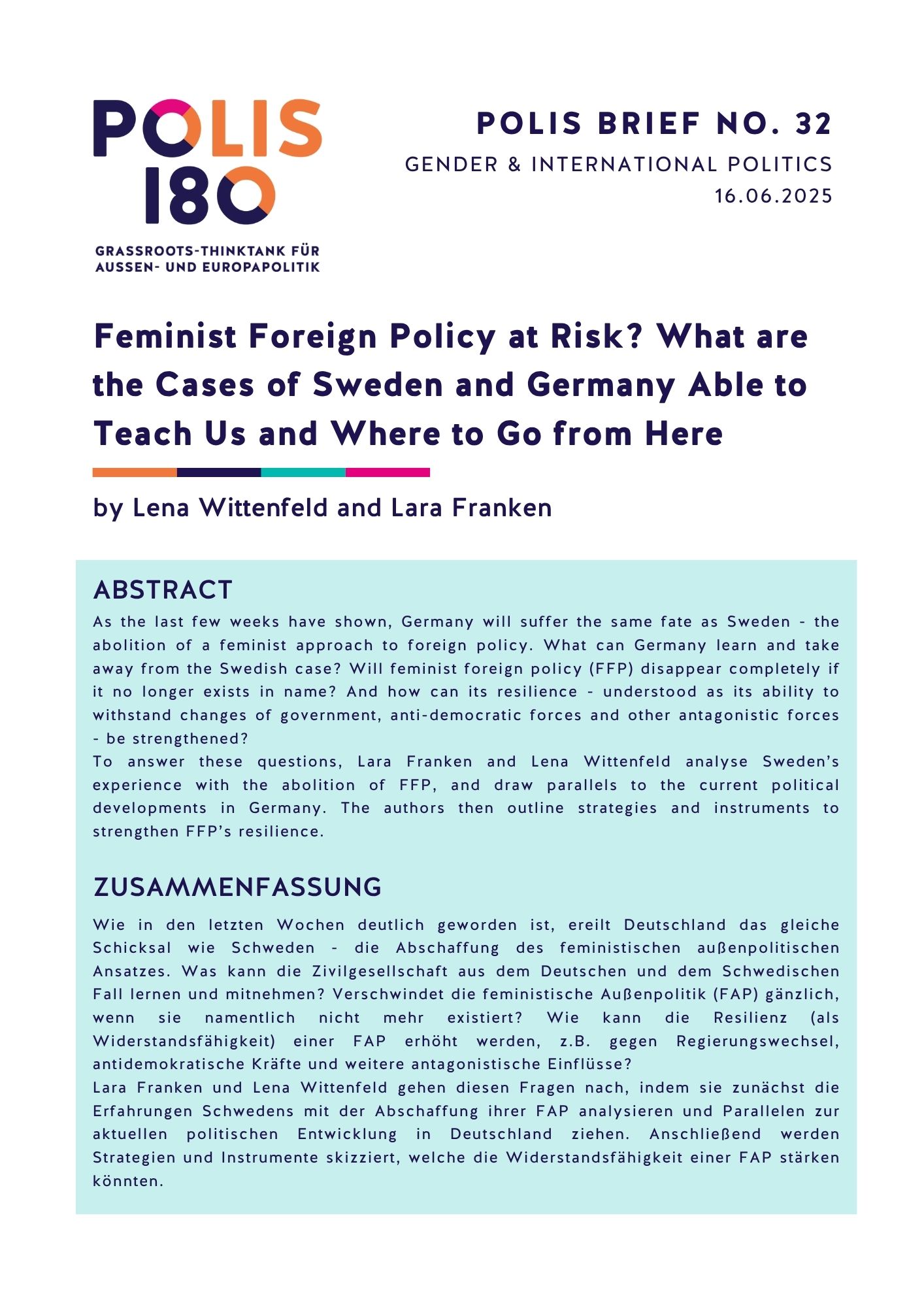
Polis Brief N° 32 – Feminist Foreign Policy at Risk? What are the Cases of Sweden and Germany Able to Teach Us and Where to Go from Here

As the last few weeks have shown, Germany will suffer the same fate as Sweden – the abolition of a feminist approach to foreign policy. What can Germany learn and take away from the Swedish case? Will feminist foreign policy (FFP) disappear completely if it no longer exists in name? And how can its resilience – understood as its ability to withstand changes of government, anti-democratic forces and other antagonistic forces – be strengthened? 

To answer these questions, Lara Franken and Lena Wittenfeld analyse Sweden’s experience with the abolition of FFP, and draw parallels to the current political developments in Germany. The authors then outline strategies and instruments to strengthen FFP’s resilience.

Raw materials, rebellion, Rwanda: The multilateral crisis in eastern DR Congo and its global implications

The ongoing crisis in eastern Democratic Republic of the Congo (DRC) is driven by a deadly interplay of armed rebellion, failed state institutions, and international complicity. The M23 militia’s recent takeover of Goma underscores the Congolese army’s systemic weakness, rooted in colonial legacies and decades of authoritarian rule. Meanwhile, over 7.8 million people are displaced, and international humanitarian aid has sharply declined. Rwanda’s renewed military backing of M23 reveals how ethnic narratives, security concerns, and economic interests – especially in mineral-rich areas – intertwine to perpetuate conflict. Despite evidence of illegal Rwandan involvement, European nations continue to invest in Rwanda’s mineral supply chains, effectively financing armed actors while underfunding the DRC. This double standard undermines the EU’s credibility and highlights broader geopolitical shifts that have accelerated since the U.S. scaled back its international commitments under the Trump administration. A sustainable solution requires Europe to align its values with its actions—through sanctions, supply chain oversight, military reform assistance, and robust civil society support. Only a coherent and value-driven EU policy can help break the cycle of exploitation and conflict in the Great Lakes region.

The Unfinished Breakaway: Why Somaliland Matters to Global Stability

Until today, no government or international organisation has officially recognised the independence of Somaliland, a breakaway region of Somalia. Fearing to fuel other secessionist movements on the Continent, the African Union and other actors are hesitant to take any action. However, Somaliland functions with greater political stability and democratic governance than Somalia itself.

Feminist Foreign Policy in Times of Zeitenwende: Germany’s Policy on Arms Exports to Saudi Arabia (Event Report)

On June 3rd, 2024, the Gender & International Politics programme of Polis180 hosted an engaging and thought-provoking online discussion featuring Ruth Rohde, a researcher and project coordinator at Shadow World Investigations UK. Rohde is also co-founder and programme manager of the Corruption Tracker project. Rohde holds an M.A. in International History and Politics from the … Weiterlesen …

The High Cost of Ignoring Nagorno-Karabakh: How Unresolved Grievances and Geopolitical Interests Fuel Future Conflict

Nagorno-Karabakh may have fallen to Azerbaijan in 2023, but the conflict is far from over. Decades of ethnic tensions and geopolitical power plays have left deep scars that continue to unfold in regional and international courts today, while over 100,000 Karabakh-Armenians remain displaced. The EU’s failure to act decisively – prioritizing energy security over humanitarian responsibility – has only exacerbated the situation. This blog post explores how colonial decisions, geopolitical maneuvering, and international inaction led to today’s status quo. Looking ahead, the risk of renewed conflict, particularly over Azerbaijan’s ambitions for the Zangezur corridor, remains high, threatening further instability in the South Caucasus with lasting consequences for regional and European security.

Yemen beyond the Houthis

In October 2023, when the Houthis launched missile strikes on Israel, Yemen briefly made headlines. Yet, the ongoing humanitarian disaster – 12 million children in urgent need of aid and over 20 million relying on international assistance – continues to be overlooked. This report dives into the complex web of actors driving Yemen’s protracted conflict, from foreign interventions to fractured governance and rising extremism.

Between Neocolonialism and Jihad: The Overlooked Conflict in Burkina Faso

The ongoing crisis in Burkina Faso, which has been largely neglected by the international (western) community has deep roots in a combination of jihadist extremism, political instability and lasting colonial legacies. While deeply intertwined with the broader regional conflict in the Central Sahel, Burkina Faso grapples with a distinct internal crisis. Since the surge in violence from local and international jihadist groups in the country, millions of civilians have been displaced and exposed to extreme violence. The government has been unable to secure the country – neither with the support of former French nor the current Russian troops. The two military coups in 2022 further destabilised the country, while a geopolitical shift away from France and the West in general towards Russia highlighted the shifting political sentiment within the country and its ruling military junta. The developments paint the story and future of a country struggling for sovereignty and stability while constituting a geopolitical pawn of external powers and jihadist groups in the battle for power and resources. As armed jihadist groups and the Burkinabé military fight for supremacy at the expense of the civilian population, the crisis in Burkina Faso has become one of the most neglected conflicts in the world.

From Interests to Ignorance: How the Sudanese revolution fell into the hands of power politics

When we talk about ‘forgotten’ or ‘ignored’ conflicts, we must recognize the bias entailed in this phrasing. It is a Eurocentric view, that considers a conflict or war to be ignored, unless ‘the West’ pays sufficient attention to it. The civil war in Sudan has neither been ignored by local populations and civil society groups in Sudan striving for civilian and democratic governance, nor by external actors who capitalize on the conflict to advance their own interests and power. In the case of Sudan, the United Arab Emirates (UAE), Saudi Arabia and Russia are particularly eager to increase their diplomatic and military influence and wealth – on the backs of the Sudanese people.

Feministische Klimapolitik im Wahljahr 2025: Warum geschlechtergerechte Finanzierung Priorität braucht

Die Klimakrise verschärft bestehende soziale Ungleichheiten und trifft marginalisierte Gruppen, insbesondere Frauen und nicht-binäre Personen, unverhältnismäßig stark. Diese tragen einerseits die Hauptlast klimabedingter Schäden, wie den Verlust von Lebensgrundlagen und erhöhtes Gewaltrisiko, andererseits spielen sie eine Schlüsselrolle in der Care-Arbeit und der Entwicklung nachhaltiger Zukunftslösungen. Geschlechtergerechte Klimapolitik und -finanzierung sind daher unverzichtbar, um soziale und ökologische Herausforderungen wirksam zu bewältigen. Die aktuelle Klimafinanzierung, sowohl auf nationaler als auch internationaler Ebene, weisen jedoch Defizite in der Integration von Genderperspektiven auf. Deutschland hat sich im Rahmen des Pariser Klimaabkommens zu einer erhöhten Klimafinanzierung verpflichtet, bleibt jedoch hinter den Zielen zurück, insbesondere bei der Förderung von Klimaanpassung in besonders betroffenen Staaten. Unsere Empfehlungen umfassen die Erhebung geschlechtsspezifischer Daten, die Entwicklung intersektionaler Finanzierungsstrategien und die gezielte Förderung marginalisierter Perspektiven in Entscheidungsprozessen. Die neue Bundesregierung sollte die feministische Klimapolitik stärken, bestehende Gender-Mainstreaming-Initiativen wie den Green Climate Fund ausbauen und eine Vorreiterrolle in der EU und der globalen Klimafinanzierung übernehmen. Geschlechtergerechte Finanzierung ist essentiell, um den Klimawandel als soziale Krise zu begreifen und systemische Machtstrukturen zu überwinden. Nur durch einen inklusiven Ansatz können die Klimaziele bis 2030 erreicht und eine gerechte, nachhaltige Zukunft in Deutschland, Europa und weltweit geschaffen werden.


Why Some Conflicts Are Ignored, Not Forgotten: The Legacy of Colonialism and Power Politics

Conflicts like those in Sudan, Haiti, and Burkina Faso remain largely ignored, despite global access to information. These are not “forgotten” conflicts – they’re intentionally neglected due to colonial history shaping current political interests. As Germany approaches its election, it is critical to address these ignored crises. Our upcoming blog series on Ignored Conflicts explores why these issues remain sidelined and how the new government must act. Join us as we uncover these hidden narratives and rethink how the world engages with its most pressing challenges.

Climate diplomacy in a turbulent world

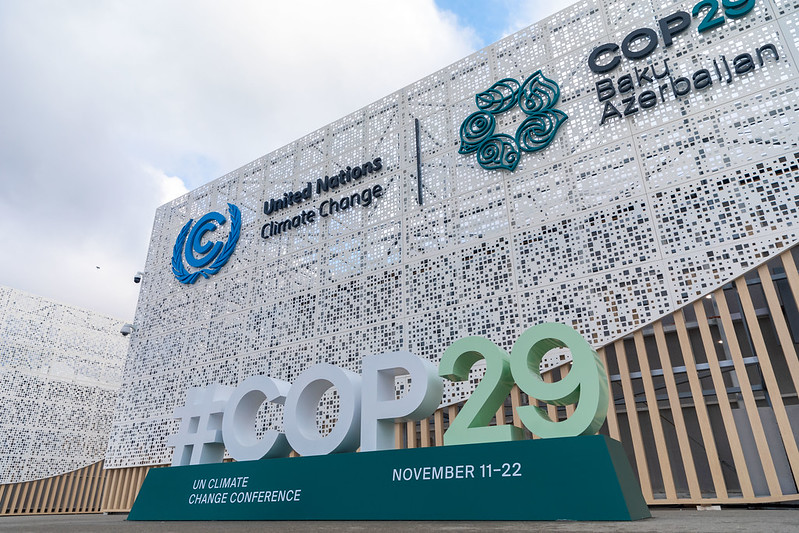
The Conference of the Parties (COP) has become the focal point for global climate action, despite ongoing debates and skepticism. In this three-part series, we’ll examine COP29, focusing on climate diplomacy, finance, and the energy sector.

The Climate Finance Gap: A Never-Ending Promise?*

The Conference of the Parties (COP) has become the focal point for global climate action, despite ongoing debates and skepticism. In this three-part series, we’ll examine COP29, focusing on climate diplomacy, finance, and the energy sector.

The Urgency of Recognizing Gender Apartheid – Why the international community is required to recognize gender apartheid

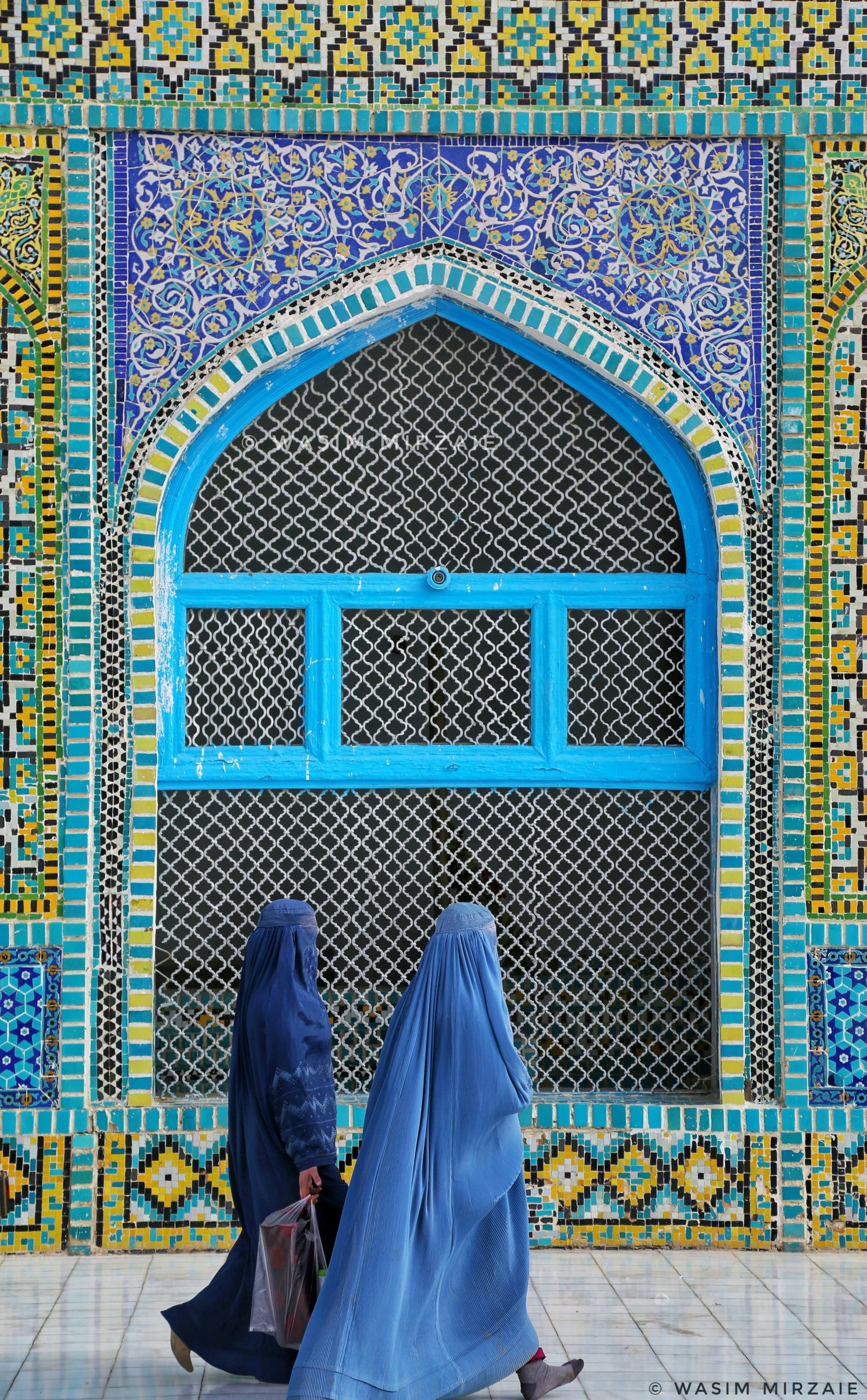
Imagine if the Taliban regime restricted the basic rights and freedoms of all men based on their race, systematically excluding them from public spaces. Would this not constitute apartheid — an international crime that obligates every state to avoid complicity and seek justice for the victims? If apartheid has no place in a rules-based international system, then gender apartheid should be treated with the same legal seriousness. States that have embraced Feminist Foreign Policy (FFP) have a unique opportunity to take the lead in addressing this issue, aligning their international commitments with their stated values of gender equality and justice. Therefore, I argue that failing to recognize gender apartheid as an international crime undermines the credibility of both international law and the U.N. system.

Veranstaltungsbericht | Polis kocht! KI im (Un-) Sicherheitspaket – Risiken der biometrischen Überwachung

Im Sommer 2024 sorgte das (Un-)Sicherheitspaket der Bundesregierung für heftige Diskussionen. Erik Tuchtfeld und Anna Lob von D64 – Zentrum für Digitalen Fortschritt berichteten aus dieser Debatte und von ihrem Einsatz für progressive Digitalpolitik im ReclaimYourFace-Bündnis, einer globalen Kampagne gegen biometrische Gesichtserkennung. Das Gesetzespaket könnte zu einer nie dagewesenen Überwachung des digitalen öffentlichen Raums führen. … Weiterlesen …

Veranstaltungsbericht | Strategien gegen Rechtspopulismus und -extremismus: Lehren aus den Zivilgesellschaften Europas 

Am 17. September 2024 veranstaltete das Programm „(Un-)Making Democracy“ von Polis180 eine virtuelle Podiumsdiskussion zum Thema Strategien gegen Rechtspopulismus und -extremismus in Europa, moderiert von Sophia Carlotta Dimer. Die Veranstaltung bot eine Plattform für den Austausch über die unterschiedlichen Ansätze, die Zivilgesellschaften in Deutschland und in Polen entwickelt haben, um dem Aufstieg der extremen Rechten entgegenzuwirken. Dabei standen insbesondere die Strategien zur Mobilisierung und zum Protest gegen diese Entwicklungen im Fokus.

Veranstaltungsbericht | Polis kocht! zum Thema Klimadiplomatie am 17.10.2024

Am 17.10.2024 haben wir im Programmbereich Klima & Energie von Polis 180 eine Diskussion zu Klimadiplomatie und -sicherheit mit zwei Experten geführt. Zu Gast waren Jakob Gomolka, Berater für Klimadiplomatie und -sicherheit beim Think-and-Do-Tank adelphi, und Ole Adolphsen, Forscher in der Gruppe Globale Fragen der Stiftung Wissenschaft und Politik (SWP). Gemeinsam mit rund 16 Teilnehmenden … Weiterlesen …

Veranstaltungsbericht | Polis kocht! Zivilgesellschaftlicher Widerstand gegen Anti-Gender Bewegungen

Am 26.08. diskutierten Ocean Hale Meißner, Wiebke Eltze und Carlotta v. Westerholt unter der Moderation von Lara Franken, Co-Leiterin des Programms “Gender und Internationale Politik”, über die Herausforderungen und Strategien im Umgang mit Rechtsextremismus, Antifeminismus und Anti-Gender-Bewegungen in Deutschland und Europa. Die Veranstaltung war eine Kooperation der Programmbereiche “(Un-)Making Democracy” und “Gender & Internationale Politik”. … Weiterlesen …

Event Report | There and Yet Invisible?!: Spain’s Feminist Foreign Policy and its Focus on Multilateral Diplomacy

16th May 2024 On 16th May 2024 the programme “Gender and International Politics” of Polis180 hosted an online event discussing Spain’s Feminist Foreign Policy (FFP), its seemingly invisibility in the cohort of FFP states and its focus on multilateral diplomacy. The event is part of our program’s project Feminist Foreign Policy(s): An On-Going Journey through … Weiterlesen …