No country for old men: Die Europawahl 2019 in Zahlen

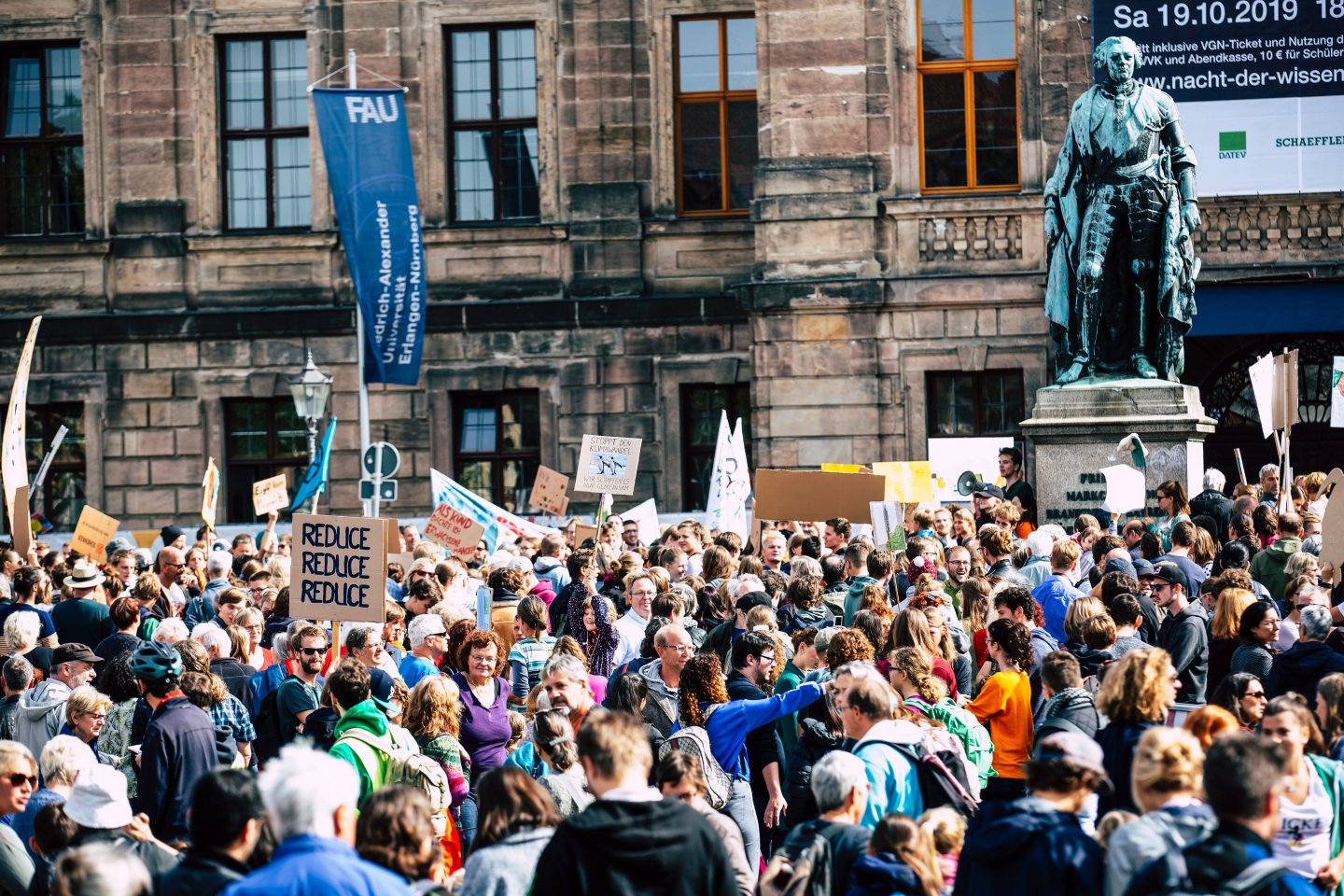
Die diesjährige Europawahl stand ganz im Zeichen der Klimakrise und junger Menschen, die zu zehntausenden auf die Straße gingen. Doch wo haben die WählerInnen in Deutschland letztlich ihr Kreuz gemacht? Und zeigt sich der Protest junger Menschen auch an der Wahlurne? Der Bundeswahlleiter hat zu diesen Fragen nun die Daten geliefert.

Ein Kommentar von Christoph Abels mit Grafiken des Einfachen Dienstes

Weiterlesen …

Keine Wechselstimmung an der Weichsel

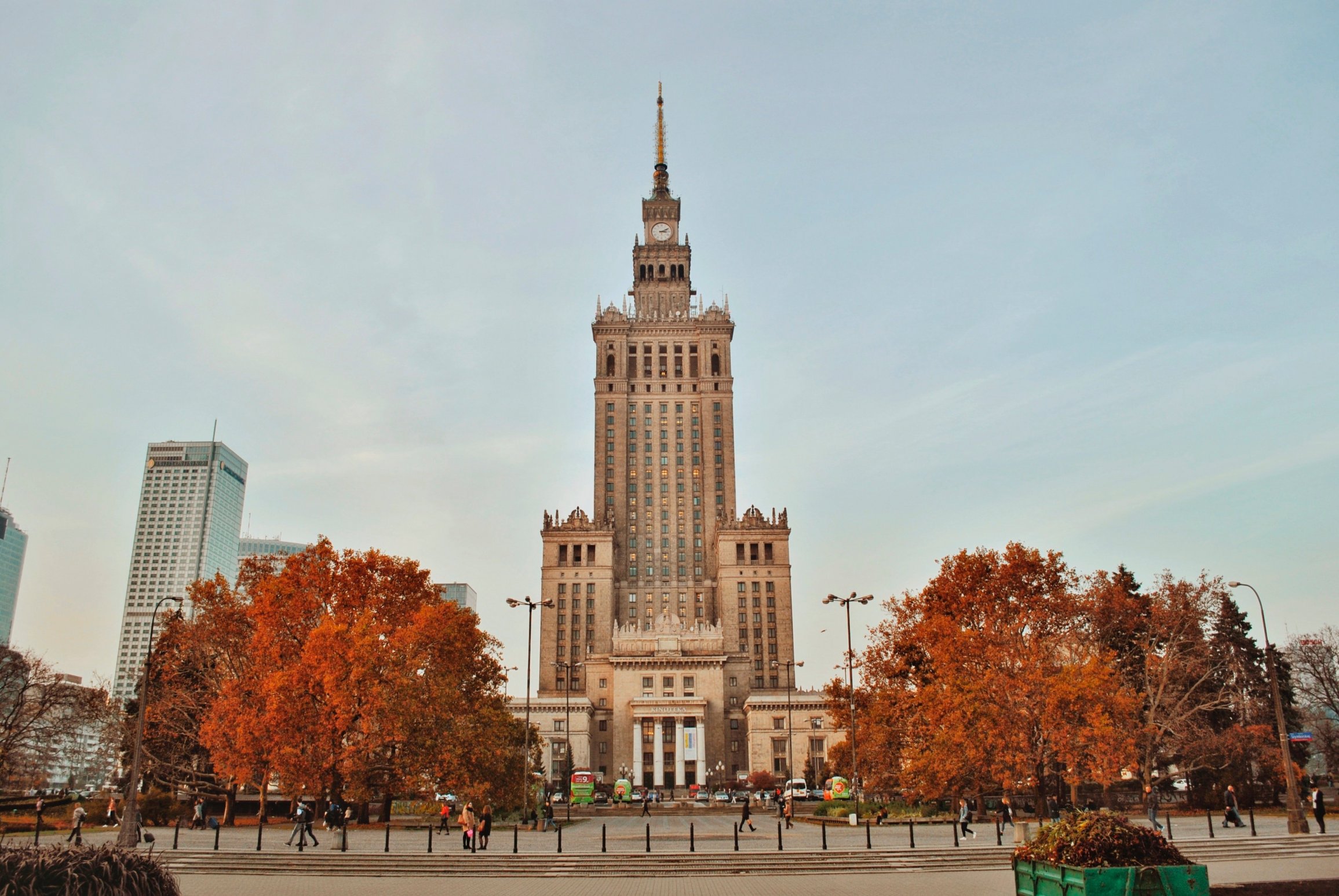
Wie in Umfragen vorhergesagt, hat die PiS in den polnischen Parlamentswahlen mit einem großen Vorsprung von knapp 16 Prozent zur Bürgerkoalition die Mehrheit erreicht. Wie wird sie jetzt ihre beträchtlichen Wahlversprechen umsetzen? Und bleibt das Verhältnis zu Brüssel und Berlin weiterhin angespannt?

Ein Kommentar von Ricarda Lindau

Weiterlesen …

Regierungswechsel im Kosovo: Auf dem Weg zur Selbstbestimmung?

Nachdem der kosovarische Premierminister Ramush Haradinaj vom Kosovo-Tribunal in Den Haag vorgeladen wurde, trat er zurück und löste damit vorgezogene Neuwahlen aus. Umfragen sehen die progressive Oppositionspartei Lëvizja Vetëvendosje! in deutlicher Führung. Steht dem jüngsten Staat Europas ein radikaler Kurswechsel bevor?

Ein Kommentar von Frauke Seebass

Weiterlesen …

On the edge of the EU where human dignity is disregarded

Upon the implementation of the EU-Turkey Deal in 2016, the Greek island Samos, located close to the Turkish mainland, has become a place where asylum seekers arrive to Europe and are trapped for an indefinite time. Lea Rösner, a LL.M. student in International Human Rights Law, who had been giving legal information to asylum seekers, speaks about the situation on the Greek island, her work and experiences.

An Interview with Lea Rösner and Lydia Wachs 

Weiterlesen …

We are here today developing ideas – that is a luxury!


Daniel Hardegger, co-founder and former board member of Polis180 e.V., was the opening keynote speaker at the 10. Changemakers Summit in Tartu, Estonia, at the beginning of June. He spoke about the future of democracy, the changing public space and the next generation of leaders. Andrei Liimets of the Estonian Good Citizen magazine asked the Swiss visionary about these issues.

An Interview with Andrei Liimets and Daniel Hardegger 

Weiterlesen …

Diagnosis: Polarisation? Call for Polis Blog articles #EP2019

The 2019 European Parliament elections led to a further erosion of political power of the former catch-all parties and indicate an increasing political polarisation in Europe. Let’s have a closer look: are we in fact becoming more polarised? If so, what are potential consequences and what can be done about it? If not, how can we describe the phenomenon better? 

It’s your turn to shape the debate!

Weiterlesen …

Nur Populismus? AfD will das Europäische Parlament „abschaffen“

Auch die AfD macht Europawahlkampf – aber eher gegen die EU. Die Alternative für Deutschland möchte das Europaparlament “abschaffen”. Doch dafür müsste das europäische Primärrecht geändert werden. Die Kompetenzen hierfür haben aber nur die Mitgliedsstaaten selbst. Deshalb lässt sich diese Forderung schlicht nicht auf europäischer Ebene umsetzen. 

Ein Kommentar von Nikolas Klausmann

Weiterlesen …

What about the patriarch? Church, society & sexual minority rights in Georgia

The Georgian clergy is bound to play a crucial role in the country’s European integration process. Back in 2013, violent protests against an LGBTIQ* rights rally in Tbilisi revealed the destructive approach of religious groups towards civil liberties. With regard to Tbilisi’s first queer pride this June, constructive dialogue seems inevitable in order to move Georgia’s society forward.

A Comment by Simon Schultz

Weiterlesen …

„jung & nEUgierig“: Das Workshop-Format für Erstwähler

Im Rahmen der Europawahlkampagne „jung & wählerisch“ möchte Polis180 junge Menschen zum Wählen mobilisieren. Hierzu organisieren wir beispielsweise interaktive Workshops, die auf unterhaltsame Art und Weise Erstwählern mit wichtigen Aspekten der EU vertraut machen sollen.

Ein Beitrag von Kristin Puschmann

Weiterlesen …

Maximum wage for managers? Are you crazy? That’s inefficient!

For me, the 8th of November will be remembered as one of the brightest moments in 2018. It was the day when our Ukrainomics project started. I had the pleasure to be part of a young group of Ukrainian economists who had a great time in Berlin, gaining new knowledge, experiences and friends. Now I want to share a few thoughts about that.

A Project Report by Ihor Dmytrenko

Weiterlesen …

When women take up arms and what that means for DDR processes

Female combatants are a reality in nearly every armed conflict today. If we want to design sustainable post-conflict policies, especially in the area of disarmament, demobilisation and reintegration (DDR), we need to make them visible – to understand the different factors that draw both women and men towards violence.

A Comment by Britta Gade

Weiterlesen …

COP24: Eine Analyse der UN-Klimakonferenz in Katowice

Anfang Dezember wurde im polnischen Katowice das Regelbuch zur Umsetzung des Paris Agreements ausgehandelt. Doch statt der eigentlichen Regeln standen die Unterschiede zwischen den Formulierungen „begrüßen“ und „zur Kenntnis nehmen“ im Zentrum der Diskussionen. Und es wurden blaue Turnbeutel verteilt.  

Ein Beitrag von Kerstin Mohr

Weiterlesen …

Trendy Tbilisi: where Georgian fashion meets public diplomacy

Tbilisi has recently become the next trendy destination in Europe, thanks to its dynamic cultural life. The growing fashion scene has helped to bring new kinds of visitors to a country that was mostly known to adventurous hikers. In the context of its European integration process, promoting and investing in attractive industries could be an innovative way for Georgia to demonstrate its Europeanness and foster exchange – with taste!

A Comment by Lorraine Vaney

Weiterlesen …

Beyond top-down democratisation: protests of Georgian students, ‘ravers’ and workers

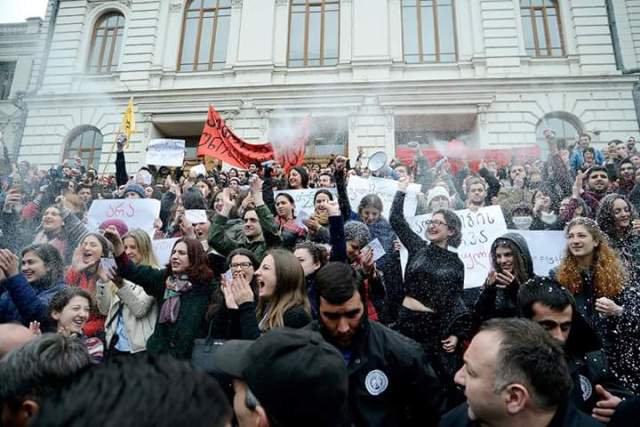
Over the last couple of years, Georgia’s protesting scene has experienced an interesting transformation – the emergence of self-organised groups and networks, exerting direct pressure on the state instead of relying on political parties and the international community. This blog post focuses on three examples of such collective action – student, ‘raver’ and worker protests.

A Comment by Tornike Bakakuri

Weiterlesen …

The Future of the Eastern Partners: 6 Lessons from the Western Balkans

It has been 15 years since the Thessaloniki Summit confirmed the Western Balkans‘ European perspective. With recently renewed EU commitment, will 2018 indeed mark the beginning of a new enlargement period? And what might that entail for those Eastern Partnership countries with EU membership ambitions? Here are six recommendations for think tankers, policy makers and activists from the wider region.

A Comment by Frauke Seebass

Weiterlesen …

Midterm Elections 2018: Die Ergebnisse exklusiv zusammengefasst

Die US-Zwischenwahlen wurden dieses Jahr mit großer Spannung erwartet. Im Vorfeld sorgte der “left push” der Demokraten, das Antreten einer großen Anzahl weiblicher und nicht-weißer KandidatInnen, sowie eine mögliche Abrechnung mit der Präsidentschaft Trumps für Diskussionen.

Ein Beitrag von Esther Kern, Felix Stoßmeister und Laura Menzel

Weiterlesen …

Why pulling out of the INF is an astonishingly bad idea

In the discussion about US President Donald Trump’s announcement to withdraw from the INF there are two seemingly contradictory truths. The first one lies in Russia breaching its obligations under the treaty. The second truth is that the US is making a mistake to retreat from the INF nonetheless.

An Opinion by Alexander Sorg

Weiterlesen …

Weshalb im November 2018 die wichtigsten US-Zwischenwahlen seit Jahrzehnten anstehen

Bei den diesjährigen Midterm Elections geht es nicht nur um das politische Programm des Präsidenten und seiner Partei, sondern angesichts der „disruptiven“ Präsidentschaft Donald Trumps auch grundsätzlich um den Zustand der US-Demokratie. Für die EU wird sich wiederum zeigen, wie nachhaltig die jüngsten Verwerfungen im transatlantischen Verhältnis tatsächlich sein werden.  

Ein Beitrag von Florian Gawehns

Weiterlesen …

Die prekäre Lage der Republikanischen Partei

Um die Midterm Elections 2018 mit allen Mitteln zu gewinnen, deuten die Republikaner auf ihre Erfolge hin, wie die Besetzung des Verfassungsgerichts und die Steuerreform, während Donald Trumps Verhalten die Außen- und Handelspolitik gefährdet. Doch mangelnde Kritik an Trump sowie die kontroverse Führung der Republikaner im Kongress stellen ein größeres Problem im Kampf um eine Mehrheit dar.  

Ein Beitrag von Orchan Ali-sade

Weiterlesen …

UK Pen Pal: A Candid Correspondence on Brexit

In this third exchange of ideas on Brexit between two young Europeans, our pen pals argue how Germany on top benefits from European economic integration and whether the UK will be isolated in this globalised world after leaving the EU.

A Correspondence between James Hall and Ulrich Czeranka

Weiterlesen …

Halbzeitzeugnis für Trump: Was bedeuten die Midterm Elections für Deutschland & Europa?

Die bevorstehenden Halbzeitwahlen zum US-amerikanischen Kongress dienen traditionell als Stimmungstest der amtierenden Administration, werden jedoch auch für Deutschland und Europa weitreichende Folgen haben. Denn auf dem Prüfstand stehen neben der innenpolitischen Agenda auch zahlreiche Kurswechsel auf der außenpolitischen Bühne. Ein Verlust von Senat oder Abgeordnetenhaus würde Präsident Trump in Zukunft zu weitreichenden Zugeständnissen zwingen.

Ein Beitrag von Robert Fisher

Weiterlesen …

“Wir sind heute in einer Phase des Übergangs”

Am 23. Juni veranstaltet Polis180 fünf Workshops in Berlin und Frankfurt am Main zur deutsch-französischen Beziehung in und für Europa. Eine zentrale Frage wird dabei sein, wie Deutschland und Frankreich gemeinsam die Erneuerung der EU vorantreiben können.

Ein Interview mit Claire Saillour & Dr. Andreas Marchetti

Weiterlesen …

The End of EULEX Kosovo: What Remains from the CSDP’s Litmus Test?

On 14 June 2018, EULEX Kosovo the largest EU civilian mission to date officially came to an end. With the stakes set high, the failure to protect civilian lives in Bosnia still painfully looming in the background, EULEX severely put to test the principles agreed upon in the CSDP. Looking ahead, however, 2018 has brought a new momentum for the cooperation between the EU and the Western Balkans region as very concrete strategies and flagship initiatives emerge.

A Comment by Frauke Seebass

Weiterlesen …

Putin’s “direct line” with the Russian People: 4.5 Hours in Limbo

Last Thursday at noon sharp the annual spectacle of “direct” communication between the Russian President Vladimir Putin and his subjects took place once again. The most impressive thing about the 4.5 h Q&A was the massive deja-vu effect it caused as it hardly differed from the similar events of the last 17 years.

An Opinion by Anastasia Vishnevskaya

Weiterlesen …

Saving the UN Security Council Resolution 2231

“The worst deal ever” or “a historic accomplishment”? The Joint Comprehensive Plan of Action signed in Vienna in 2015 is as controversial as Donald Trump’s unilateral decision to withdraw from it. He on his behalf diminishes the deal entirely, while the rest of the signatories praise the nuclear agreement as a diplomatic victory.

An Interview with Anne-Kathrin Glück and Benedikt van den Woldenberg

Weiterlesen …