Diagnosis: Polarisation? Call for Polis Blog articles #EP2019

The 2019 European Parliament elections led to a further erosion of political power of the former catch-all parties and indicate an increasing political polarisation in Europe. Let’s have a closer look: are we in fact becoming more polarised? If so, what are potential consequences and what can be done about it? If not, how can we describe the phenomenon better? 

It’s your turn to shape the debate!

Weiterlesen …

Maximum wage for managers? Are you crazy? That’s inefficient!

For me, the 8th of November will be remembered as one of the brightest moments in 2018. It was the day when our Ukrainomics project started. I had the pleasure to be part of a young group of Ukrainian economists who had a great time in Berlin, gaining new knowledge, experiences and friends. Now I want to share a few thoughts about that.

A Project Report by Ihor Dmytrenko

Weiterlesen …

COP24: Eine Analyse der UN-Klimakonferenz in Katowice

Anfang Dezember wurde im polnischen Katowice das Regelbuch zur Umsetzung des Paris Agreements ausgehandelt. Doch statt der eigentlichen Regeln standen die Unterschiede zwischen den Formulierungen „begrüßen“ und „zur Kenntnis nehmen“ im Zentrum der Diskussionen. Und es wurden blaue Turnbeutel verteilt.  

Ein Beitrag von Kerstin Mohr

Weiterlesen …

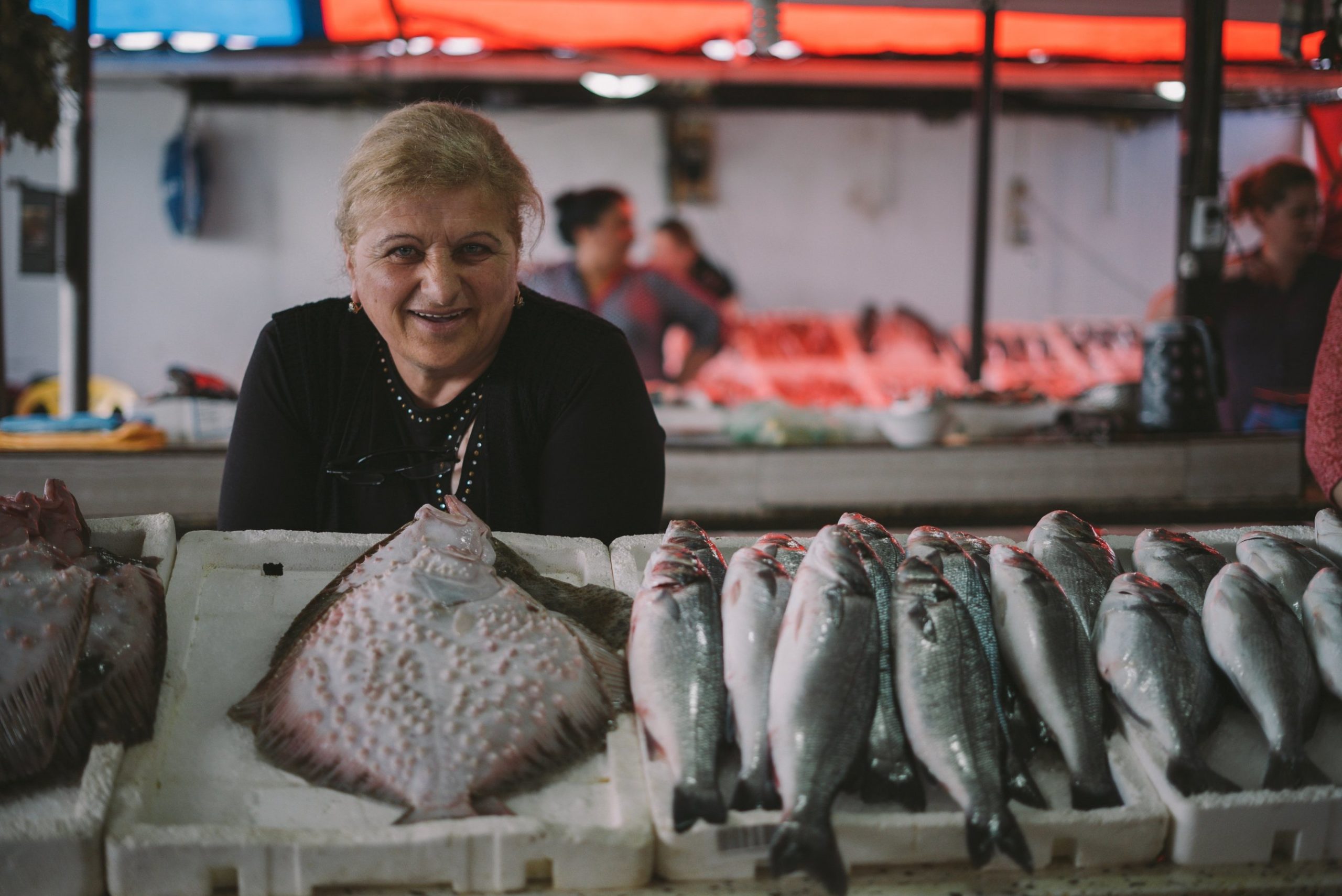
Trendy Tbilisi: where Georgian fashion meets public diplomacy

Tbilisi has recently become the next trendy destination in Europe, thanks to its dynamic cultural life. The growing fashion scene has helped to bring new kinds of visitors to a country that was mostly known to adventurous hikers. In the context of its European integration process, promoting and investing in attractive industries could be an innovative way for Georgia to demonstrate its Europeanness and foster exchange – with taste!

A Comment by Lorraine Vaney
Weiterlesen …

The Future of the Eastern Partners: 6 Lessons from the Western Balkans

It has been 15 years since the Thessaloniki Summit confirmed the Western Balkans‘ European perspective. With recently renewed EU commitment, will 2018 indeed mark the beginning of a new enlargement period? And what might that entail for those Eastern Partnership countries with EU membership ambitions? Here are six recommendations for think tankers, policy makers and activists from the wider region.

A Comment by Frauke Seebass

Weiterlesen …

Weshalb im November 2018 die wichtigsten US-Zwischenwahlen seit Jahrzehnten anstehen

Bei den diesjährigen Midterm Elections geht es nicht nur um das politische Programm des Präsidenten und seiner Partei, sondern angesichts der „disruptiven“ Präsidentschaft Donald Trumps auch grundsätzlich um den Zustand der US-Demokratie. Für die EU wird sich wiederum zeigen, wie nachhaltig die jüngsten Verwerfungen im transatlantischen Verhältnis tatsächlich sein werden.  

Ein Beitrag von Florian Gawehns

Weiterlesen …

Halbzeitzeugnis für Trump: Was bedeuten die Midterm Elections für Deutschland & Europa?

Die bevorstehenden Halbzeitwahlen zum US-amerikanischen Kongress dienen traditionell als Stimmungstest der amtierenden Administration, werden jedoch auch für Deutschland und Europa weitreichende Folgen haben. Denn auf dem Prüfstand stehen neben der innenpolitischen Agenda auch zahlreiche Kurswechsel auf der außenpolitischen Bühne. Ein Verlust von Senat oder Abgeordnetenhaus würde Präsident Trump in Zukunft zu weitreichenden Zugeständnissen zwingen.

Ein Beitrag von Robert Fisher

Weiterlesen …

Putin’s “direct line” with the Russian People: 4.5 Hours in Limbo

Last Thursday at noon sharp the annual spectacle of “direct” communication between the Russian President Vladimir Putin and his subjects took place once again. The most impressive thing about the 4.5 h Q&A was the massive deja-vu effect it caused as it hardly differed from the similar events of the last 17 years.

An Opinion by Anastasia Vishnevskaya

Weiterlesen …

Saving the UN Security Council Resolution 2231

“The worst deal ever” or “a historic accomplishment”? The Joint Comprehensive Plan of Action signed in Vienna in 2015 is as controversial as Donald Trump’s unilateral decision to withdraw from it. He on his behalf diminishes the deal entirely, while the rest of the signatories praise the nuclear agreement as a diplomatic victory.

An Interview with Anne-Kathrin Glück and Benedikt van den Woldenberg

Weiterlesen …

Allez l’Europe! Polis180 startet deutsch-französische Zukunftswerkstatt

Im Juni veranstalten wir eine Workshopreihe zur Zukunft der deutsch-französischen Beziehungen in und für Europa. Im Rahmen von sechs Workshops in Berlin, Paris und Frankfurt werden junge deutsche und französische EuropäerInnen eingeladen, gemeinsam über die Herausforderungen Europas zu diskutieren, Lösungsvorschläge zu entwickeln und auszutesten.

Ein Beitrag von Claire Saillour

Weiterlesen …

Civil Society Can Do More Than Promote Gender Equality

After Germany held the G20 presidency in 2017, it is now on Argentina to promote female empowerment and civil society engagement. Last December, during the 11th WTO Ministerial meeting, numerous civil society experts were blocked from entering the country. Thus, it remains to be seen how Argentina’s G20 presidency will deal with the fundamental role of civil society.

An Interview with Barbara Fürst, Charlotte Becker and Miriam Meier

Weiterlesen …

The Chances and Challenges of Georgia’s EU Association Process

After a Soviet-dominated 20th Century, Georgia is trying hard to make the 21st a European one. By signing the Association Agreement in 2014, the South Caucasus country has significantly deepened its integration into the EU. What are the benefits and challenges for Georgia? And how can potential risks be mitigated?

An Interview with Kakha Gogolashvili and Sonja Schiffers

Weiterlesen …

Wie fairer Handel Emissionsverlagerungen verhindern kann

Der internationale Klimaschutz verläuft nun endgültig mit unterschiedlichen Geschwindigkeiten, was die Gefahr von der Verlagerung von Treibhausgasemissionen mit sich bringt. Damit eine Koalition der Willigen trotzdem den Klimaschutz in der gebotenen Tiefe und Geschwindigkeit betreiben kann, sind Grenzanpassungen von CO2-Abgaben notwendig.

Ein Beitrag von Sebastian Levi

Weiterlesen …

The EU Sanctions on Russia: United in Diversity

While the EU could divide in reaction to new U.S. sanctions on Russia, it should now do its best to not let consensus crumble. The EU’s policy towards Russia has so far not coerced the Kremlin into facilitating an end to the conflict in eastern Ukraine. But it has unified European actors and served as an example of the EU’s strength in unity and defence of liberal values.

A Comment by Elyssa Shea and Niklas Kossow

Weiterlesen …

TTIP-Serie I: Das Symptom TTIP

Das geplante Freihandelsabkommen zwischen der EU und den USA (TTIP) stößt weiterhin auf großen Widerspruch. Dabei verkennt die Politik die entscheidenden Fragen, die TTIP aufwirft.

Ein Beitrag von Manuel Tino Heller

Weiterlesen …

Polis Blog-Serie: Der Streit um TTIP

Am kommenden Samstag erwartet Berlin eine Großdemonstration gegen TTIP. Anlass genug, sich im Rahmen einer Serie auf dem Polis-Blog genauer mit dem Thema zu beschäftigen.

Eine Ankündigung von Kassandra Becker und Manuel Heller

Weiterlesen …