Why the Islamic State Will Fail, Eventually.

Over the past years, the Islamic State has spread tremendous fear and horror across the world. Many people have been killed, fighting both for and against it. ISIS may have proclaimed itself a caliphate. But what we see instead is social decomposition. If it holds on to its strategy, the Islamic State will fail, eventually. 

A comment by Sarah Günther

Weiterlesen …

EUROPE OF THE REGIONS AND CATALAN INDEPENDENCE

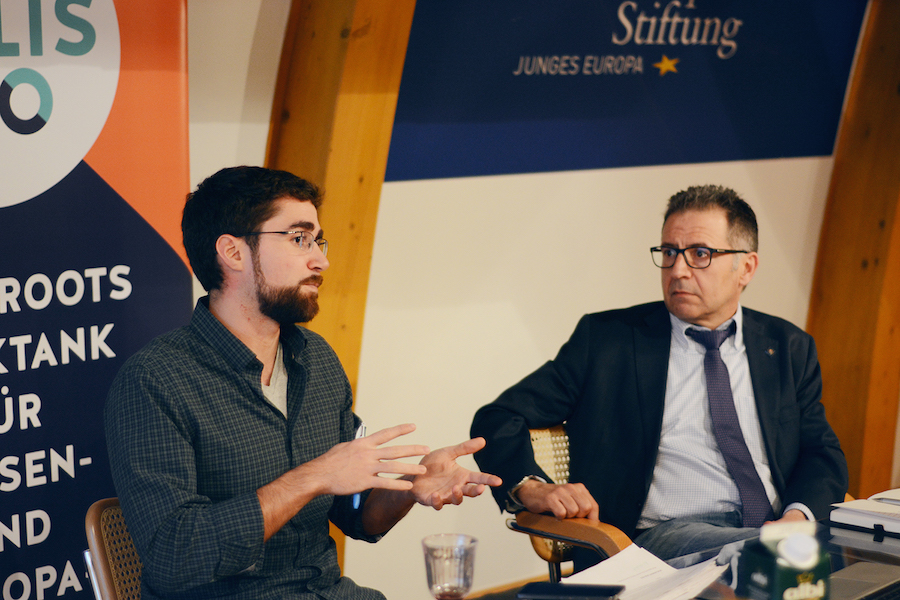
Is Regionalisation Paving the Way for European (Dis)Integration? Polis discussed the role of regions in Europe and the Catalonian independence movement with Martin Guillermo Ramirez (Association of European Border Regions) and Paul Costello Riera (Hertie School of Governance).

Weiterlesen …

Let’s not rationalize the irrational

Taking European citizens’ concerns about “the foreign” seriously does not imply to uncritically adopt them. It is important to confront citizens’ fears with facts. By accepting the narrative about “benefit tourism” in the UK, both the British government and the Commission have taken the wrong lesson from a European upsurge in right-wing populism.

A comment by Julian Zuber

Weiterlesen …

POLIS ROADMAP TO THE FUTURE

Polis roadmap to the future: “After the Munich Security Conference 2016 – Key security challenges ahead”.

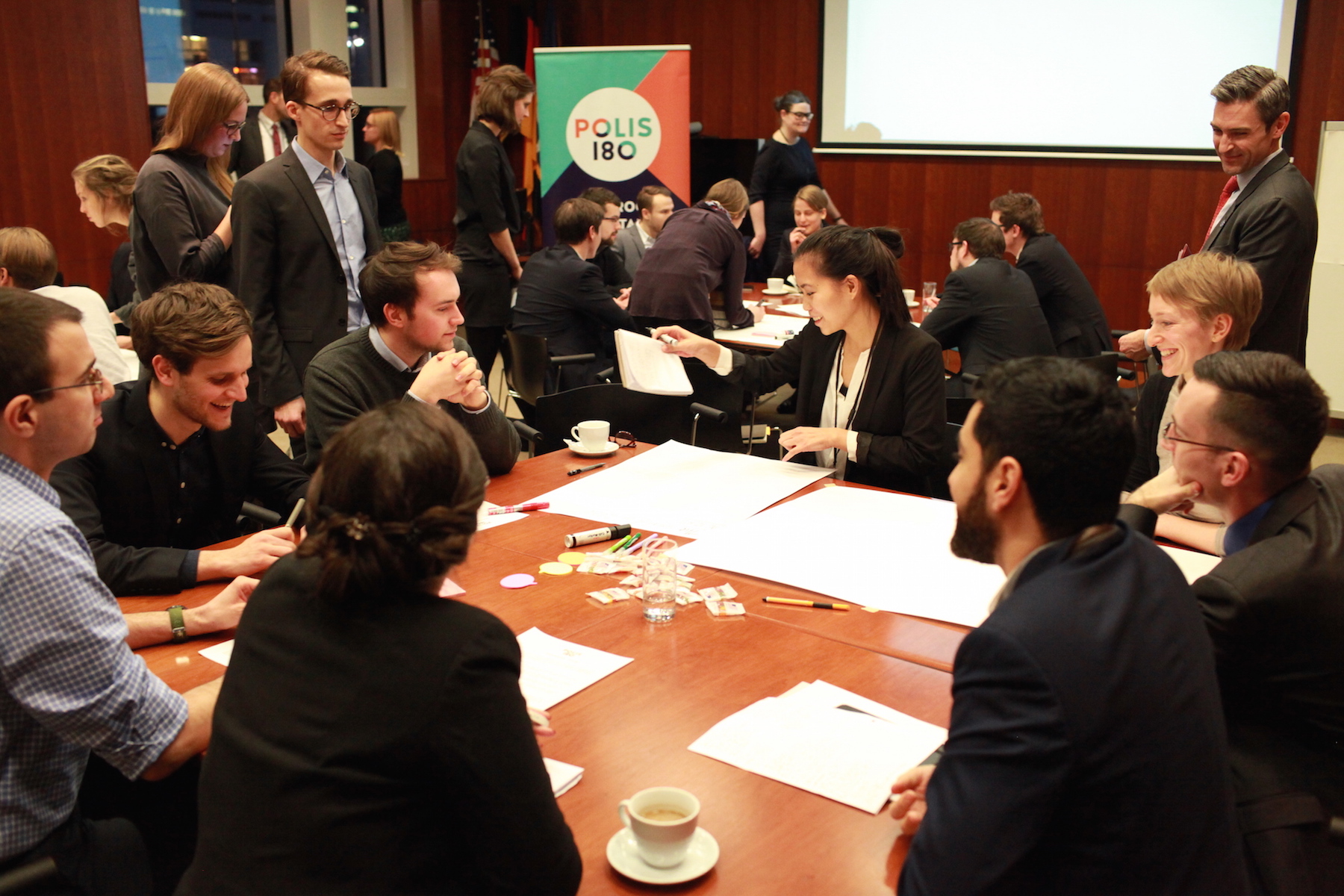
In cooperation with the US Embassy in Berlin, Polis180 conducted its first (and surely not last) scenario-planning workshop. Our special guest was Damon Wilson, Vice President of the Atlantic Council.

Weiterlesen …

Keine Angst vor der transformativen Linken!

Europa erlebt eine politische Transformation von unten. Neue rechte wie linke Parteien werden von den etablierten Kräften marginalisiert und diskreditiert. Dabei sind die Bewegungen höchst unterschiedlich. Die transformative Linke ist ein Gewinn für die Demokratie. Sie sollte endlich ernst genommen werden.

Ein Beitrag von Jonas Freist-Held

Weiterlesen …

POLIS TEATIME, DIE ZWEITE

Eine KSZE für den Nahen und Mittleren Osten?

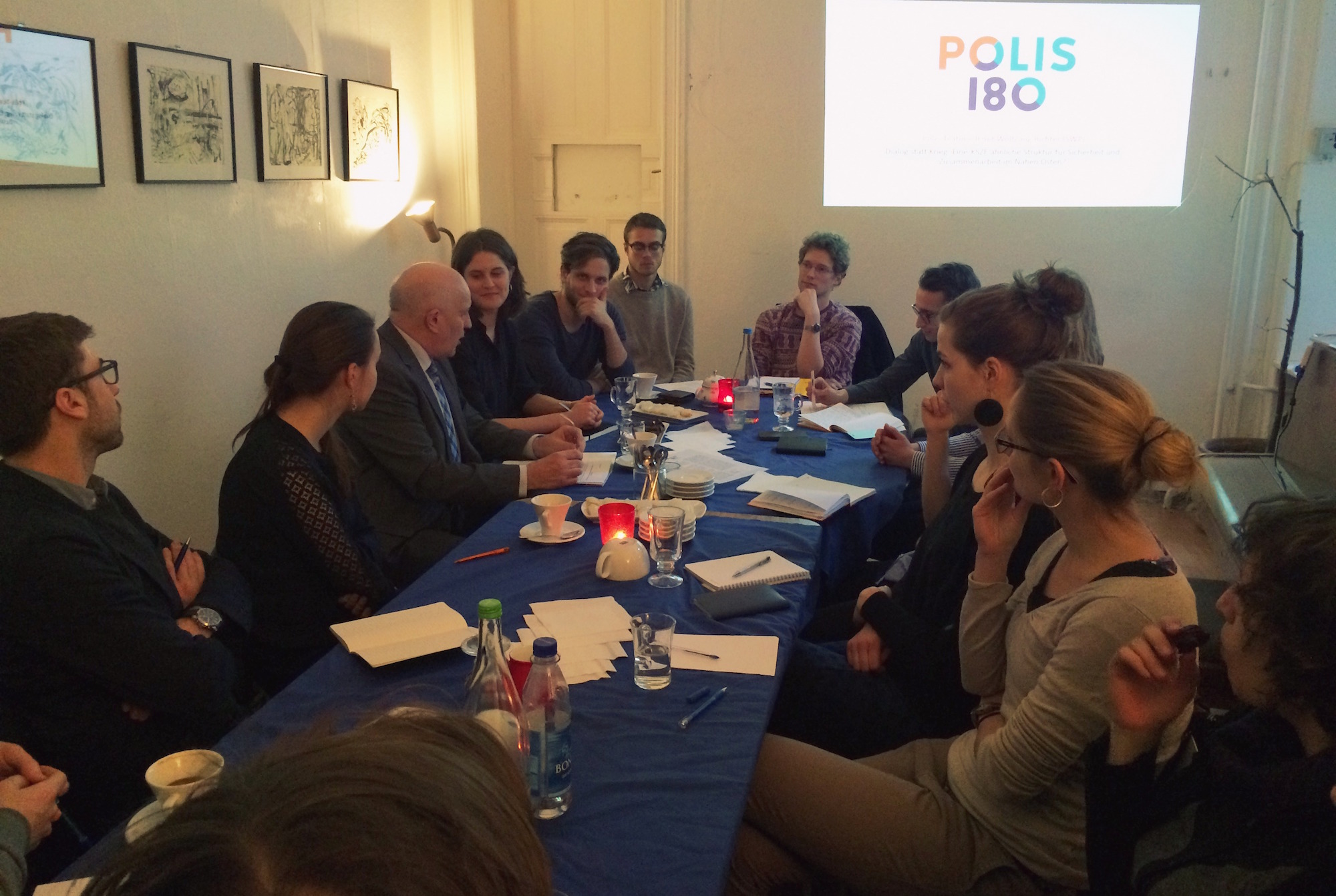
Mit Wolfgang Richter von der Stiftung Wissenschaft und Politik (SWP) diskutiert Polis180 bei Tee und Gebäck die Frage, ob der KSZE-Prozess Modellcharakter für den Nahen und Mittleren Osten haben kann.

Weiterlesen …

POLIS TEATIME, DIE ERSTE

Aq7viNvmh4mqvRwgPFzd3ufA7a0yka-YUOM0ULDWuNOf

Krisenmanagement am Hindukusch – Was sind die Ziele, Ergebnisse und Herausforderungen internationaler Afghanistanpolitik?

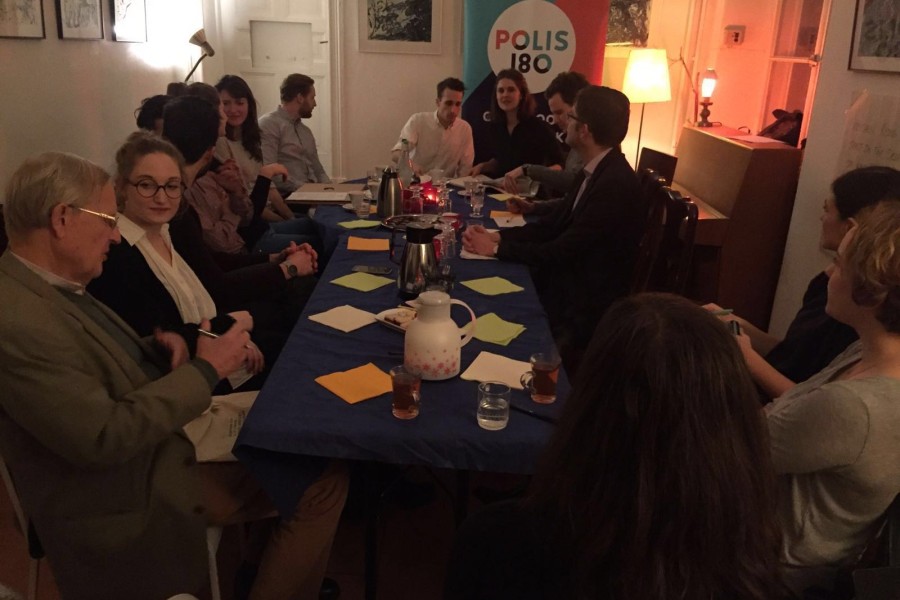
Mit Oliver Owcza vom Auswärtigen Amt debattiert Polis180 im Rahmen eines neuen Formats bei Tee und Gebäck über die Erfolgsfaktoren und Hindernisse von internationalem Krisenmanagement.

Weiterlesen …

Schengen-Serie II: Schengen – a legal puzzle of Europe

What exactly do we mean when we talk about “Schengen” and why does it look like it does today? Schengen’s history is full of twists and turns. One thing has remained largely constant, though: the tendency to conceal fundamental political divisions by means of, oftentimes insufficient, legal instruments.

A comment by Simon Blätgen

Weiterlesen …

Schengen-Serie I: Auf ein Gespräch mit Schengen

Im letzten Jahr feierte das Schengener Abkommen seinen 30. Geburtstag. Das Jubiläumsjahr 2015 war gleichzeitig eines der turbulentesten seit seiner Entstehung. Grund genug für Natalie Welfens, sich zu einem persönlichen Gespräch mit Schengen zu treffen, um über Vergangenheit und Zukunft zu sprechen.

Ein Beitrag von Natalie Welfens

Weiterlesen …

Herr Schulz im Neuland

Der EU-Parlamentspräsident möchte eine neue Charta digitaler Grundrechte. Warum das eine problematische, falsch gedachte und gefährliche Idee ist.

Ein Beitrag von Michael Puntschuh


Weiterlesen …

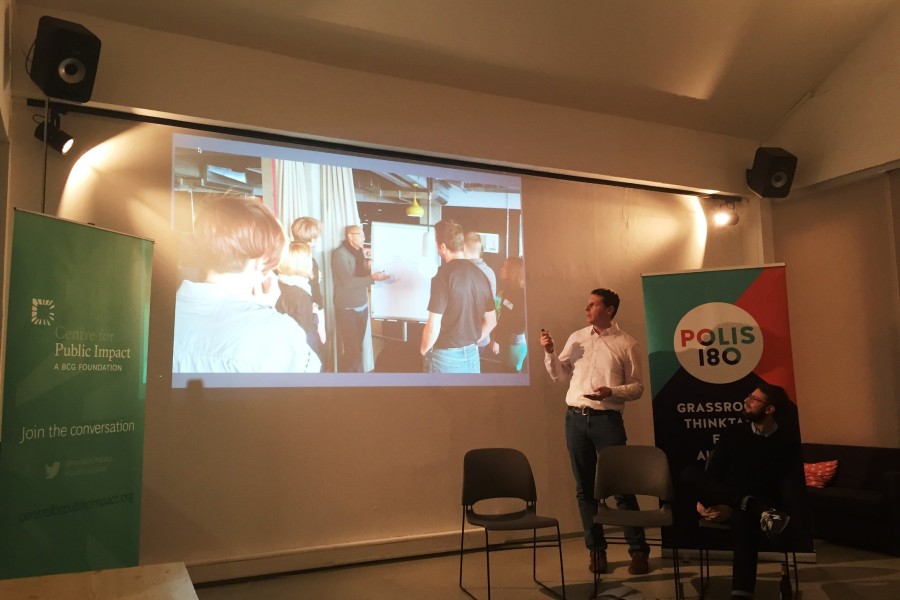
POLIS IN PRACTICE, DIE ERSTE

IMG_3583

Warum brauchen wir datengetriebene Politikgestaltung?

Polis180 bringt in einer neuen Veranstaltungsreihe Nachwuchskräfte aus Behörden, Beratungen und Thinktanks zusammen, um Diskussion darüber anzustoßen, wie sich Politik effizienter gestalten lässt.

Weiterlesen …

Three Voices, One Vision of Strengthening European Security

Europe needs to strengthen the OSCE. To achieve this, the tone of conversation needs to turn from confrontation to a constructive dialogue. In order to rebuild trust in Europe, we need to collaborate on security issues where we have common ground.

A comment by Asya Tarchokova, Olga Kyryliuk and Rahel Freist-Held

Weiterlesen …