Veranstaltungsbericht | Polis kocht!: “It’s the economy – Mr. President!”
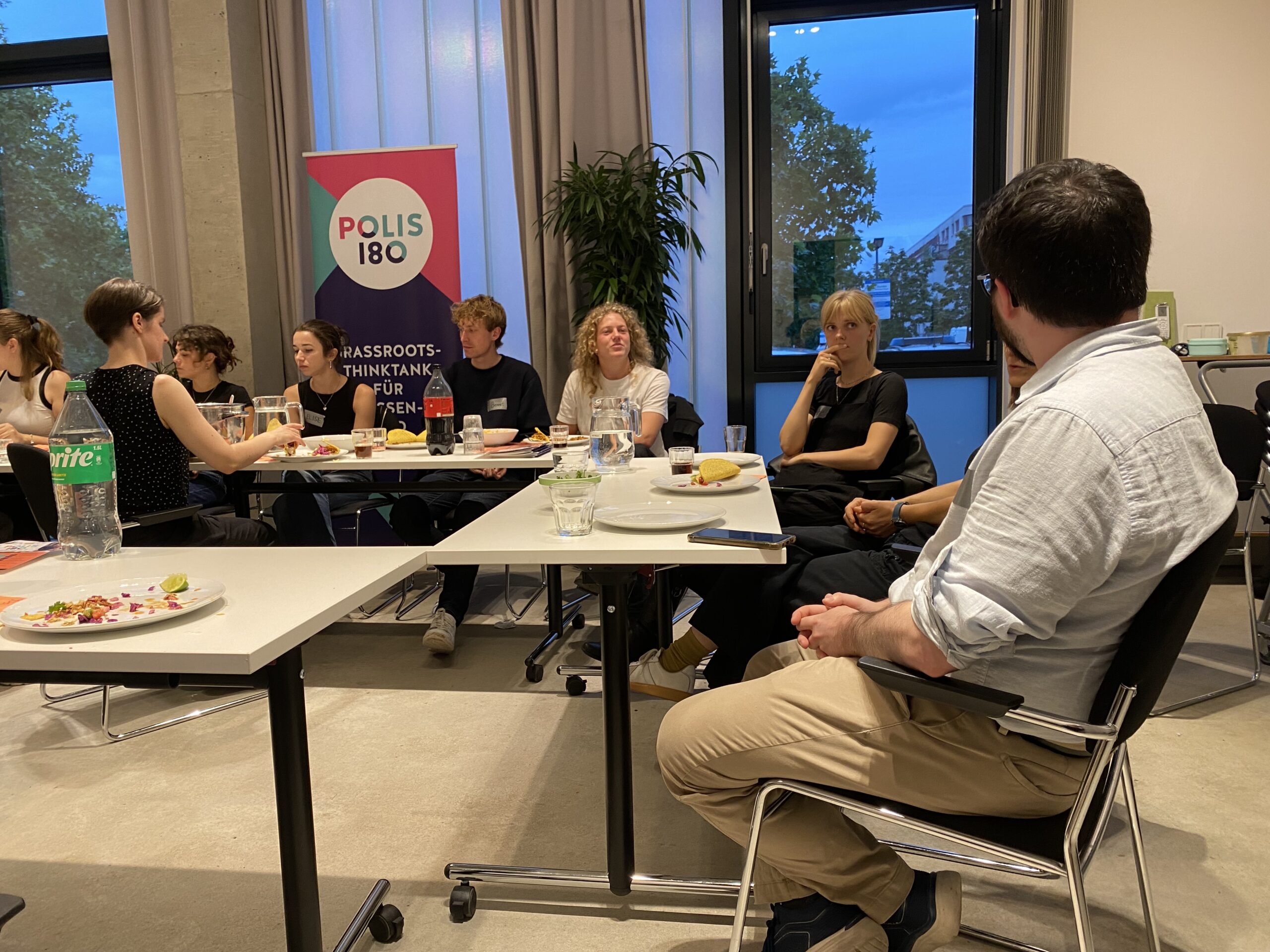
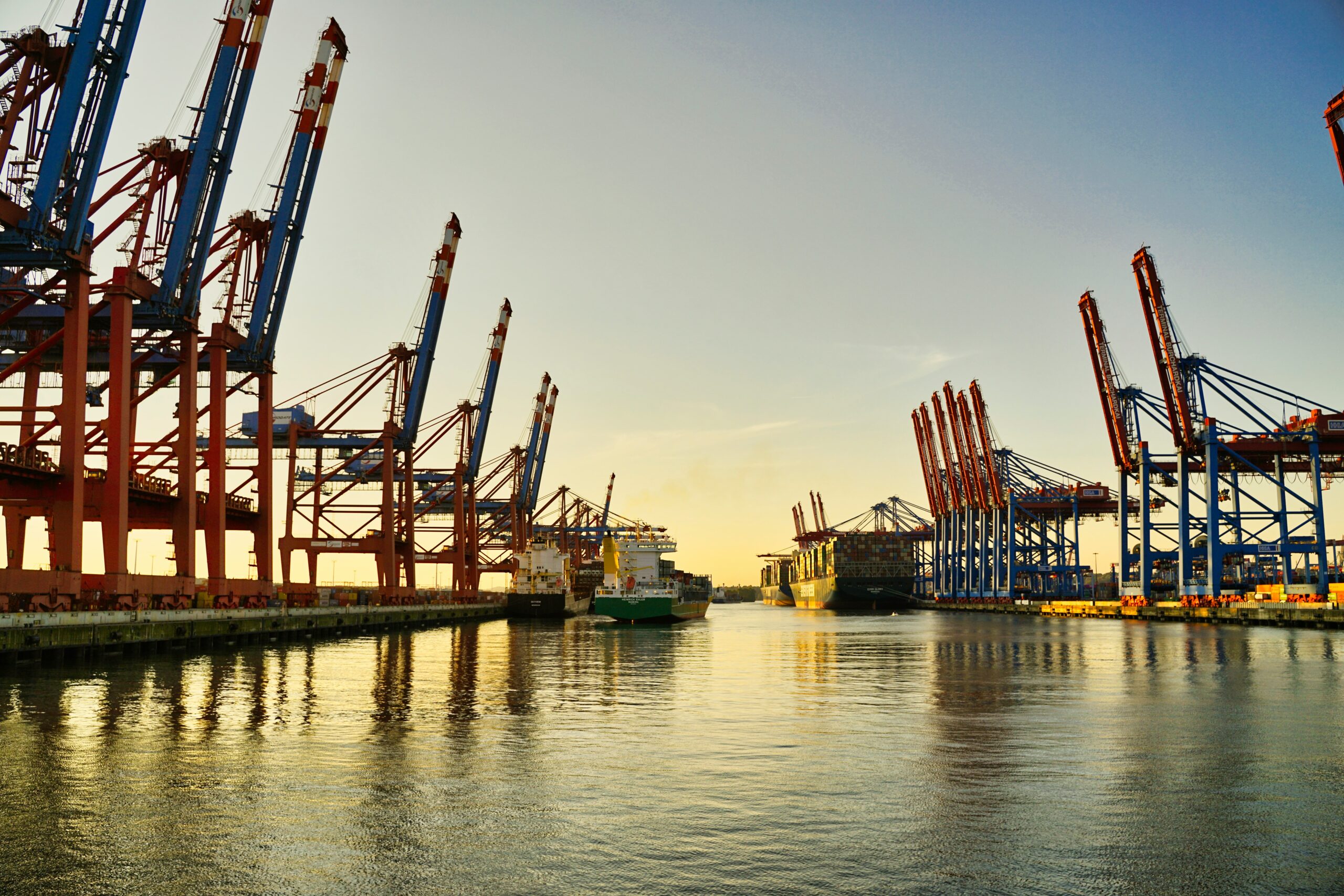
Seit Donald Trump steht die US-Zollpolitik für dauerhafte Unsicherheit in der internationalen Staatengemeinschaft. Im Rahmen der Auftaktveranstaltung der diesjährigen „Polis kocht“-Reihe diskutierten die Programmbereiche Europäische Wirtschaftspolitik und The America(n)s mit Dr. Laura von Daniels von der Stiftung Wissenschaft und Politik über Trumps Zollpolitik und ihre Folgen für den transatlantischen und globalen Handel. Während der Veranstaltung wurden themengerecht vegane, individuell gestaltbare Tacos serviert.
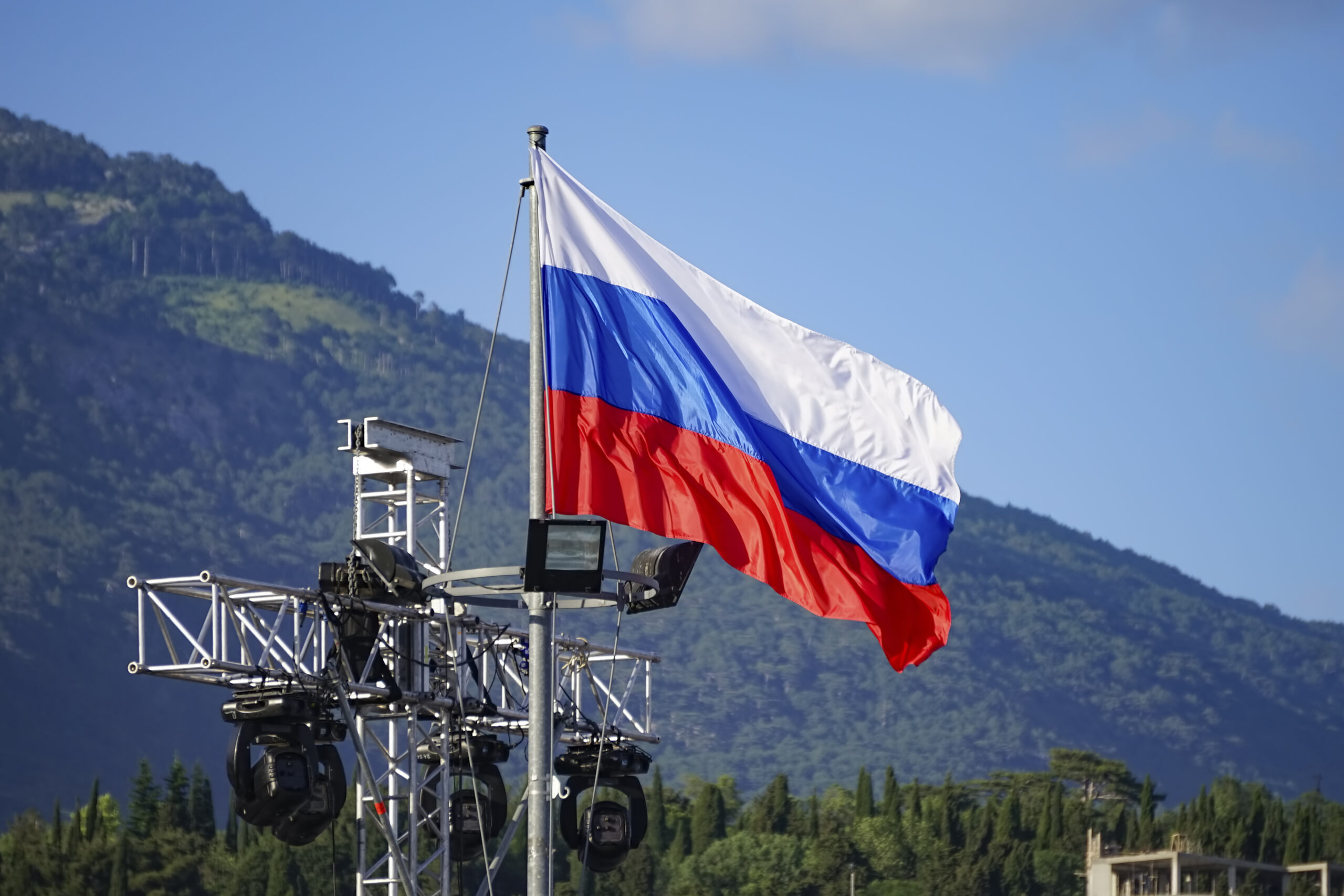
Ukraine’s Underground Resistance: The Unseen Battle for Sovereignty

In Ukraine’s occupied territories, coordinated civilian and military resistance movements conduct sabotage, gather intelligence, and defend national identity – forming a vital, often unseen front in the fight for sovereignty. The Kazakh phrase Qandy Qantar (Bloody January) is used by Kazakh civil society and media to refer to the violent crackdown of those protests. The name signals the tragedy of the events, calls for justice, and emphasizes the ongoing demand that the victims must not be forgotten. Even though the protests seem to have been ignored by many in Europe, they have ongoing consequences for the civil society in Kazakhstan, because what followed was not reform — it was repression and a consolidation of power.

Qandy Qantar – Bloody January and the silencing of a Nation

In January 2022, Kazakhstan faced its most violent domestic crisis since the end of the Soviet era. While the protests initially focused on rising fuel prices, they soon evolved into a broader rejection of authoritarianism.
The Kazakh phrase Qandy Qantar (Bloody January) is used by Kazakh civil society and media to refer to the violent crackdown of those protests. The name signals the tragedy of the events, calls for justice, and emphasizes the ongoing demand that the victims must not be forgotten. Even though the protests seem to have been ignored by many in Europe, they have ongoing consequences for the civil society in Kazakhstan, because what followed was not reform — it was repression and a consolidation of power.

How migrant communities have become the overlooked victims of hybrid warfare

The popularization of far-right radical ideas among some migrant communities has become widespread in multiple countries across the West (and not only), the most popular example probably being the “Latinos for Trump” movement. Other examples are the Russian and Turkish communities in Germany. This is not a coincidence, as malign domestic and foreign actors have been using hybrid warfare tactics for years, trying to lower trust in democratic institutions and creating divisions across society. Migrants are one overlooked target of this hybrid warfare.

nEUrds Newsletter No. 14 – EU sanctions against Israel, CEPA with Indonesia, and simplification of the CBAM

Welcome back to the latest edition of our nEUrds newsletter, where we dive deep into the riveting world of European economic policy with a twist of wit and a dash of insight. This time, we take a closer look at the latest developments in international trade. The EU is currently considering sanctions against Israel, which could include the suspension of trade concessions. At the same time, the EU is seeking to strengthen global partnerships and has just concluded its largest Comprehensive Economic Partnership Agreement (CEPA) to date with Indonesia. Finally, there is news on the Carbon Border Adjustment Mechanism (CBAM): the European Parliament has approved a new simplification of the scheme.

nEUrds Newsletter – G7 summit, Critical Minerals Action Plan, Multiannual Financial Framework (MFF), and NextGenerationEU

Welcome back to the latest edition of our nEUrds newsletter, where we dive deep into the riveting world of European economic policy with a twist of wit and a dash of insight.This time around, we break down the European Commission’s country‐specific analyses on each member’s fiscal headaches and bespoke public‐finance prescriptions, before zeroing in on the ECB’s latest quarter‐point cut to its deposit rate; unveil the EU’s ambitious rebrand of its securitization and retail investment markets; track the back‐and‐forth over the upcoming 18th Russia sanctions package; review fresh EU–US tariff tête-à-têtes; and close with defence developments. Plus, don’t miss our „Crystal Ball Gazing“ for a glimpse into the future, and „Page Turners and Screen Burners“ for your next favorite read.

nEUrds Newsletter – ECB’s Global Euro Report, US–China Trade Truce & the Clean Industrial Deal

Welcome back to the latest edition of our nEUrds newsletter, where we dive deep into the riveting world of European economic policy with a twist of wit and a dash of insight.This time around, we break down the European Commission’s country‐specific analyses on each member’s fiscal headaches and bespoke public‐finance prescriptions, before zeroing in on the ECB’s latest quarter‐point cut to its deposit rate; unveil the EU’s ambitious rebrand of its securitization and retail investment markets; track the back‐and‐forth over the upcoming 18th Russia sanctions package; review fresh EU–US tariff tête-à-têtes; and close with defence developments. Plus, don’t miss our „Crystal Ball Gazing“ for a glimpse into the future, and „Page Turners and Screen Burners“ for your next favorite read.

Georgia’s fight for EU: Protests against Russian interference

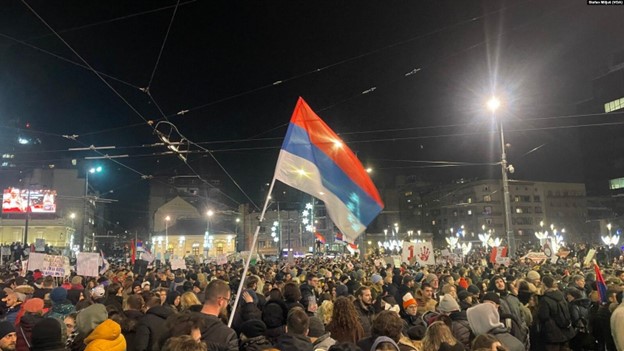
Georgia has been in a protracted crisis since the parliamentary elections in October 2024. Once a pioneer of democratic reforms in the post-Soviet region, the country has become increasingly authoritarian under the current government and has turned its back on the West. While the Georgian government has suspended EU accession talks until at least 2028, public sentiment remains overwhelmingly pro-European, with civil society mobilizing in protests against the government’s increasingly authoritarian trajectory. Despite the repression, public opposition remains strong. Georgia is at a crucial point that will influence the future direction of the country: Either it follows the Euro-Atlantic path, or it falls even more under Moscow’s influence.

nEUrds Newsletter – Your Guide to What’s Moving the Bubble: 7th Edition

Welcome back to the latest edition of our nEUrds newsletter, where we dive deep into the riveting world of European economic policy with a twist of wit and a dash of insight.This time around, we break down the European Commission’s country‐specific analyses on each member’s fiscal headaches and bespoke public‐finance prescriptions, before zeroing in on the ECB’s latest quarter‐point cut to its deposit rate; unveil the EU’s ambitious rebrand of its securitization and retail investment markets; track the back‐and‐forth over the upcoming 18th Russia sanctions package; review fresh EU–US tariff tête-à-têtes; and close with defence developments. Plus, don’t miss our „Crystal Ball Gazing“ for a glimpse into the future, and „Page Turners and Screen Burners“ for your next favorite read.

nEUrds Newsletter – Your Guide to What’s Moving the Bubble: 6th Edition

This week, we unpack the historic first post-Brexit UK-EU Summit – where leaders paved a “new chapter” with sweeping deals on fisheries, a streamlined sanitary and phytosanitary framework, and a landmark security & defence partnership – before decoding who really won (and lost) in the “grab bag” of agreements; we then turn to the EU’s 17th Russia sanctions package, the Commission’s plan to tame the flood of ultra-fast-fashion parcels with new handling fees, and the latest Trump-era tariff theatrics; finally, we spotlight the €150 billion SAFE arms-loan fund approved under the “ReArm Europe” push and consider what’s next for transatlantic and pan-European defence cooperation.

The Fight for the Diaspora – About Grievances and National Identity in Romanian Elections

The results of Romania’s 2024 first presidential round were not only a shock to the more reliable polling institutes inside the country, but were likewise a surprise for politicians, journalists and observers in the country and abroad. Most googled question of November 24: Who is Călin Georgescu? This is not only a story about foreign interference and online disinformation. It is also a story about millions of Romanians living abroad, long marginalised in national discourse, and now increasingly shaping the country’s democratic trajectory.

Let’s Start Looking East…and Listening to them, too!

Eastern Europe and Central Asia are often overlooked in discussions on democratic resilience, yet the region has become a frontline of resistance against authoritarianism and neo-imperialism. From Ukraine’s defiance of Russian aggression to grassroots movements in Georgia and Belarus, these examples demonstrate how lived histories of oppression fuel both pragmatic and idealistic struggles for democracy. This blog series highlights evolving, people-led forms of resistance that challenge unjust power and offer valuable lessons for global efforts to defend democratic values today.

Trump und die Ukraine: Können Deutschland und Europa im Falle eines Waffenstillstandes langfristige Stabilität sichern?

Deutschland und Europa stehen vor einer sicherheitspolitischen Weichenstellung: Geht es nach dem amerikanischen Präsidenten Donald Trump, liegt die Verantwortung für die Absicherung eines möglichen Waffenstillstands in der Ukraine bei den Europäern. Diese sehen sich mit begrenzten militärischen und finanziellen Ressourcen konfrontiert. Die neue Bundesregierung wird sich nach der Wahl zusätzlich mit dem auslaufenden Sondervermögen für die Bundeswehr Ende 2027 beschäftigen müssen. Die ausreichende finanzielle Ausstattung der Bundeswehr ist somit alles andere als nachhaltig sichergestellt. Ohne eine glaubhafte Abschreckung rücken Sicherheitsgarantien für die Ukraine jedoch in weite Ferne. Uneinigkeit unter den europäischen Staaten erschwert eine wirksame Sicherheitspolitik und auch Deutschland hat bis jetzt noch nicht zu einer einheitlichen Strategie beigetragen. Exemplarisch hierfür steht die Taurus-Debatte, die weiterhin nicht abgeschlossen ist. Für den Fall eines schnellen „Deals“ durch Trump, müssen sich die europäischen Staaten jedoch auf die Möglichkeit vorbereiten, einen möglichen Waffenstillstand zwischen Russland und der Ukraine abzusichern. Auf der 61. Münchener Sicherheitskonferenz vom 14.-16. Februar bekräftigten die USA jüngst ihre Forderung nach einer stärkeren Verpflichtung Europas für die Absicherung eines Friedensabkommens in der Ukraine. Sind Deutschland und Europa fähig und bereit, die Verantwortung für ein solches Abkommen in der Ukraine zu übernehmen?

Wirtschaftspolitische Zukunft Europas: Ein Blick auf die Wahlprogramme 2024

Die bevorstehende Europawahl stellt einen entscheidenden Moment für die politische Landschaft Europas dar. In einer Zeit, in der die Europäische Union mit zahlreichen Herausforderungen konfrontiert ist – vom russischen Angriffskrieg auf die Ukraine über den Klimawandel bis hin zu geopolitischen Spannungen – ist die wirtschaftspolitische Ausrichtung der verschiedenen Parteien von besonderer Bedeutung. Die Wahlprogramme der … Weiterlesen …

Boxers in the Baltics – The Case for “Mittlere Kräfte” in the Paradigm of Territorial Defence

A conventional wisdom states that “generals are always prepared to fight the last war”. With very little media attention, the Bundeswehr announced arguably the most significant organisational changes since the end of conscription. This article is going to explore the introduction of the “Mittlere Kräfte” in the context of the changing security environment of the … Weiterlesen …

Brüsseler Bahnhof: Fueling Change: Inside Europe’s Hydrogen Economy – Ruud Kempener, European Commission

We’re joined by Ruud Kempener from Commissioner Kadri Simson’s cabinet, offering unique insights into the continent’s hydrogen landscape. Our conversation takes you on a journey through Europe’s ambitious efforts to bolster its hydrogen economy. Explore the legislative initiatives that are driving change and the innovative markets emerging from these endeavors, including the significant role played by the European Hydrogen Bank.

2nd Edition: Inflation, Excess Liquidity, Slovakia`s Election and all things Brussels Bubble

Written By Lukas Seelig and Moritz Pohl   05.10.23   coming to you from Polis180’s “European Economic Policy” programme inviting you to subscribe for free by dropping us a line here!   Hello there and welcome back, curious minds and all-around Brussels enthusiasts!   We’re excited to roll out the second edition of our „nEUrds“ newsletter, … Weiterlesen …

Brüsseler Bahnhof: Fuel of the Future? – Eine Analyse der deutschen Wasserstoffwirtschaft

In dieser Podcast-Folge des “Brüsseler Bahnhofs” dreht sich alles um Wasserstoff als Energieträger der Zukunft. Hierzu gibt Cara Bien, Energiereferentin des Bundesverbandes der Deutschen Industrie, Einblicke in die Bedeutung der Nationalen Wasserstoffstrategie und die verschiedenen Umstellungen und Herausforderungen die die deutsche und europäische Wirtschaft erwarten.

nEUrds – Your Guide To What’s Moving The Bubble – 1st Edition

  by Lukas Seelig, Janik Gast and Moritz Pohl, coming to you from Polis180’s “European Economic Policy” programme, inviting you to subscribe for free by dropping us a line here       Hey there, curious minds and all-around Brussels enthusiasts!   Welcome to our debut “nEUrds” newsletter [pronounced same as nerds] – a fresh adventure through … Weiterlesen …

Polis Brief N° 27 – Winds of Change

With its decision to further invade Ukraine on the 24th of February 2022, the Russian Federation has brought conventional war back on the European map and thereby catalysed multifaceted shifts in the international security order. To that effect, this paper examines the concrete ways in which the war has triggered a change in the threat … Weiterlesen …