A Comment by Maike Laengenfelder and Karoline Färber

We heard these slogans on the news, we saw them on social media, and we shouted them in the streets. The Women, Life, Freedom movement did not only erupt within Iran, but also sparked protests in Western countries such as Germany, Canada and France. Around the world, protesters had a clear goal: the fight for human rights, especially women*’s rights. But while their slogans were the same, the difference between the protests in Iran and those in the West could not be greater.
Why is it that when we talk about feminism(s), it so often appears to be a Western, academic invention? In this article, we delve into the buried histories and feminist battles that have long existed and still do outside the Western narrative, because feminism(s) has never been a single story; there have always been many. By listening rather than leading, we can begin to unlearn the dominance of Western narratives and recognise the diverse feminisms that have shaped our shared struggle for freedom.
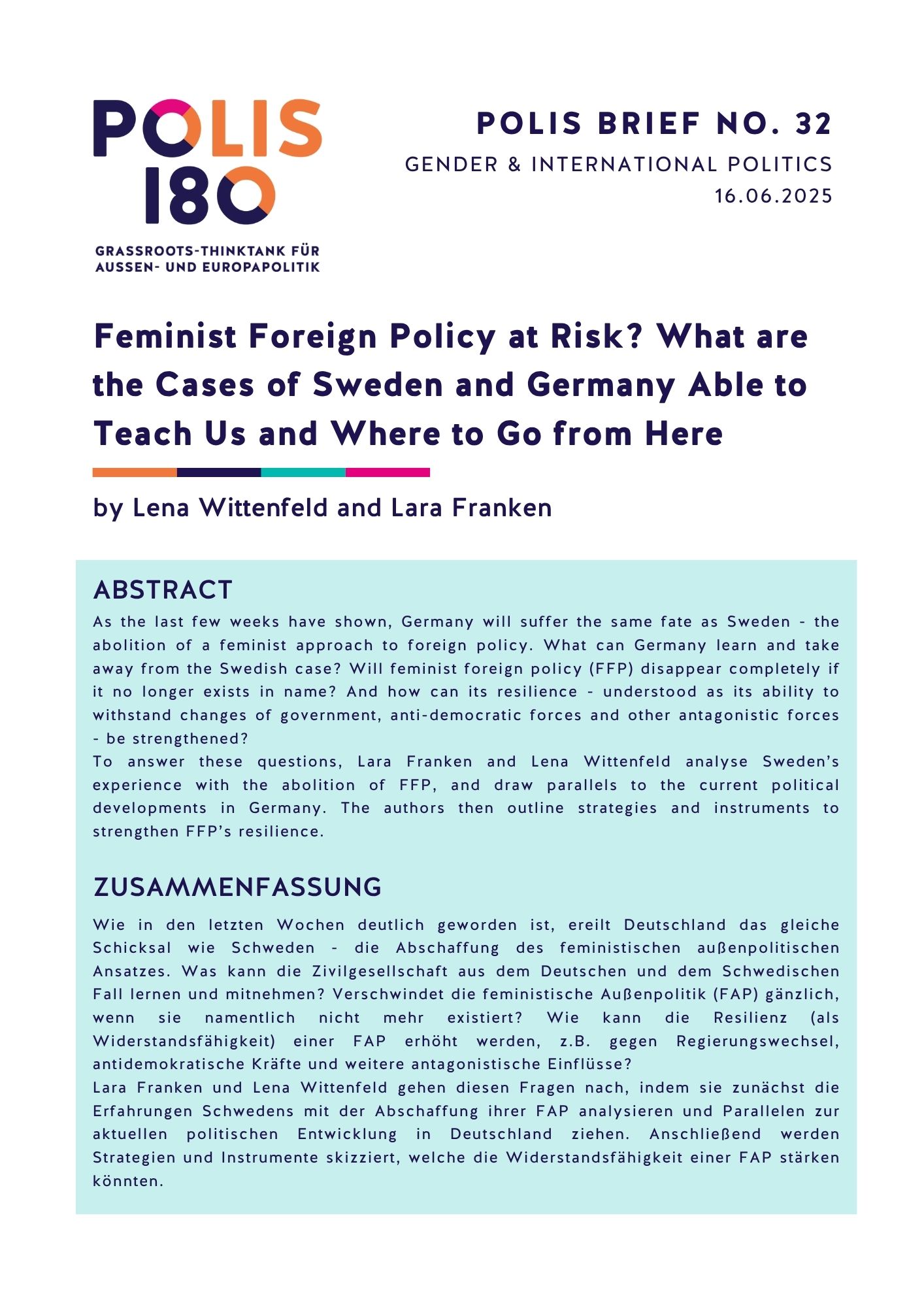
As the last few weeks have shown, Germany will suffer the same fate as Sweden – the abolition of a feminist approach to foreign policy. What can Germany learn and take away from the Swedish case? Will feminist foreign policy (FFP) disappear completely if it no longer exists in name? And how can its resilience – understood as its ability to withstand changes of government, anti-democratic forces and other antagonistic forces – be strengthened?
To answer these questions, Lara Franken and Lena Wittenfeld analyse Sweden’s experience with the abolition of FFP, and draw parallels to the current political developments in Germany. The authors then outline strategies and instruments to strengthen FFP’s resilience.
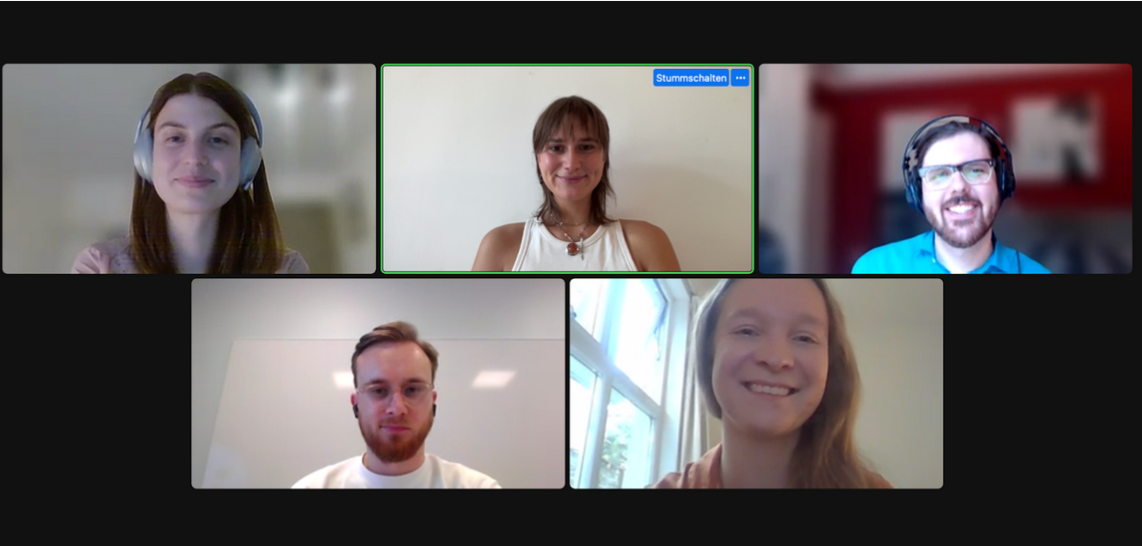
On June 3rd, 2024, the Gender & International Politics programme of Polis180 hosted an engaging and thought-provoking online discussion featuring Ruth Rohde, a researcher and project coordinator at Shadow World Investigations UK. Rohde is also co-founder and programme manager of the Corruption Tracker project. Rohde holds an M.A. in International History and Politics from the … Weiterlesen …

Die Klimakrise verschärft bestehende soziale Ungleichheiten und trifft marginalisierte Gruppen, insbesondere Frauen und nicht-binäre Personen, unverhältnismäßig stark. Diese tragen einerseits die Hauptlast klimabedingter Schäden, wie den Verlust von Lebensgrundlagen und erhöhtes Gewaltrisiko, andererseits spielen sie eine Schlüsselrolle in der Care-Arbeit und der Entwicklung nachhaltiger Zukunftslösungen. Geschlechtergerechte Klimapolitik und -finanzierung sind daher unverzichtbar, um soziale und ökologische Herausforderungen wirksam zu bewältigen. Die aktuelle Klimafinanzierung, sowohl auf nationaler als auch internationaler Ebene, weisen jedoch Defizite in der Integration von Genderperspektiven auf. Deutschland hat sich im Rahmen des Pariser Klimaabkommens zu einer erhöhten Klimafinanzierung verpflichtet, bleibt jedoch hinter den Zielen zurück, insbesondere bei der Förderung von Klimaanpassung in besonders betroffenen Staaten. Unsere Empfehlungen umfassen die Erhebung geschlechtsspezifischer Daten, die Entwicklung intersektionaler Finanzierungsstrategien und die gezielte Förderung marginalisierter Perspektiven in Entscheidungsprozessen. Die neue Bundesregierung sollte die feministische Klimapolitik stärken, bestehende Gender-Mainstreaming-Initiativen wie den Green Climate Fund ausbauen und eine Vorreiterrolle in der EU und der globalen Klimafinanzierung übernehmen. Geschlechtergerechte Finanzierung ist essentiell, um den Klimawandel als soziale Krise zu begreifen und systemische Machtstrukturen zu überwinden. Nur durch einen inklusiven Ansatz können die Klimaziele bis 2030 erreicht und eine gerechte, nachhaltige Zukunft in Deutschland, Europa und weltweit geschaffen werden.
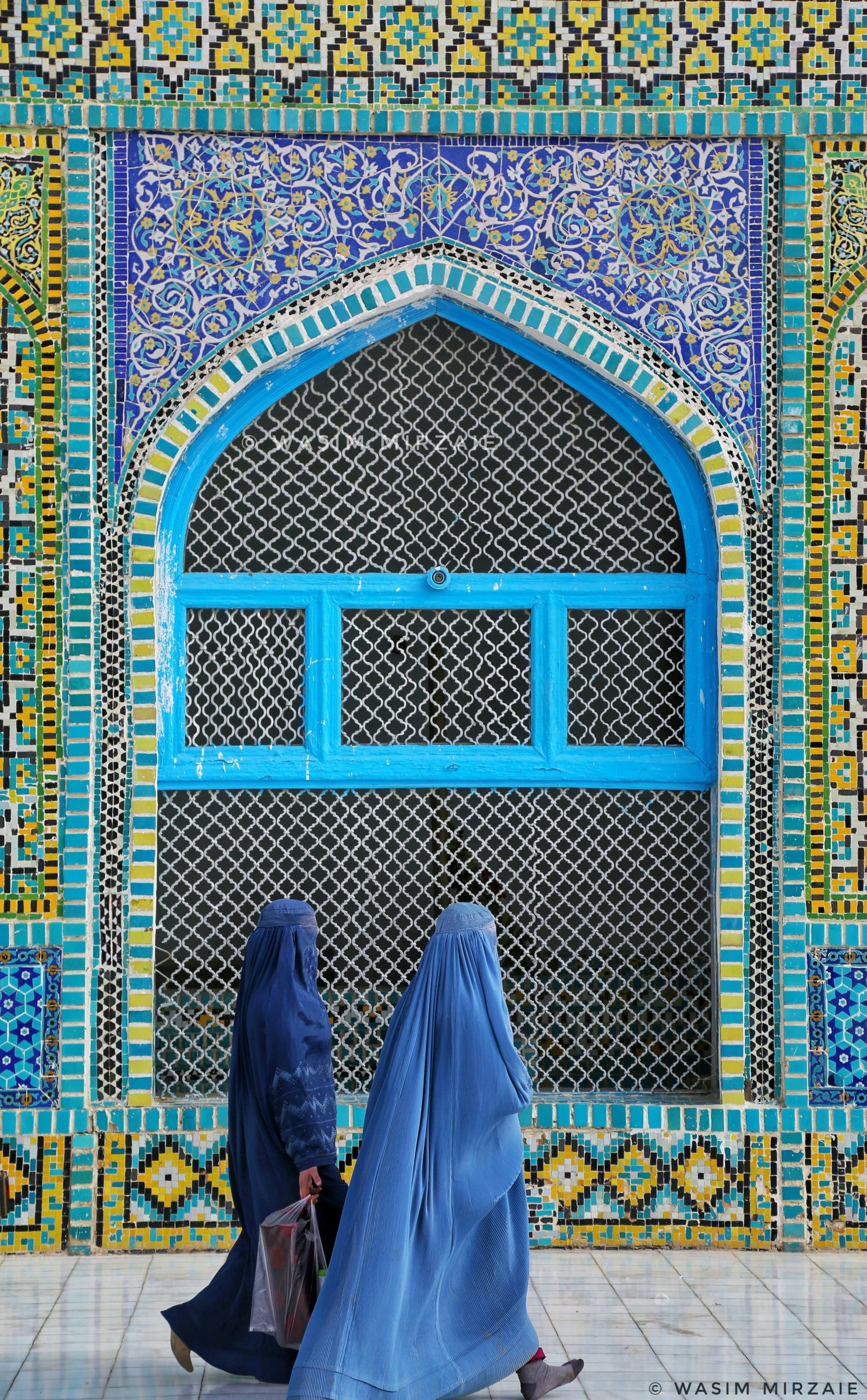
Imagine if the Taliban regime restricted the basic rights and freedoms of all men based on their race, systematically excluding them from public spaces. Would this not constitute apartheid — an international crime that obligates every state to avoid complicity and seek justice for the victims? If apartheid has no place in a rules-based international system, then gender apartheid should be treated with the same legal seriousness. States that have embraced Feminist Foreign Policy (FFP) have a unique opportunity to take the lead in addressing this issue, aligning their international commitments with their stated values of gender equality and justice. Therefore, I argue that failing to recognize gender apartheid as an international crime undermines the credibility of both international law and the U.N. system.
Am 26.08. diskutierten Ocean Hale Meißner, Wiebke Eltze und Carlotta v. Westerholt unter der Moderation von Lara Franken, Co-Leiterin des Programms “Gender und Internationale Politik”, über die Herausforderungen und Strategien im Umgang mit Rechtsextremismus, Antifeminismus und Anti-Gender-Bewegungen in Deutschland und Europa. Die Veranstaltung war eine Kooperation der Programmbereiche “(Un-)Making Democracy” und “Gender & Internationale Politik”. … Weiterlesen …
16th May 2024 On 16th May 2024 the programme “Gender and International Politics” of Polis180 hosted an online event discussing Spain’s Feminist Foreign Policy (FFP), its seemingly invisibility in the cohort of FFP states and its focus on multilateral diplomacy. The event is part of our program’s project Feminist Foreign Policy(s): An On-Going Journey through … Weiterlesen …
29th May 2024 On Tuesday 29th May 2024 the programme “Gender and International Politics” of Polis180 hosted an online event discussing the evolution of feminist foreign policy (FFP). The event is part of our programme’s project Feminist Foreign Policy(s): An On-Going Journey through Global Policies and is intended to provide an opportunity to discuss the … Weiterlesen …

20. März 2024 Am 20. März 2024 veranstaltete der Programmbereich “Gender & Internationale Politik” von Polis180 eine Veranstaltung über die deutsche feministische Außenpolitik. Die Veranstaltung, mit Karoline Färber als Speakerin, war eine Gelegenheit, Einblicke in die Rolle des Auswärtigen Amtes (AA) und seine Arbeit zu erhalten. Karoline Färber (sie/ihr) ist Doktorandin am King’s College London … Weiterlesen …
21st February 2024 On 21 February 2024, the programme “Gender and International Politics” of Polis180 hosted an online event on the intersection of France’s feminist diplomacy and nuclear arsenal. The event is part of the group’s wider series ‘feminist foreign policy: an ongoing journey through global policies,’ which sheds light on different regions and their … Weiterlesen …
As part of our Europa Kocht! series, and of our Gender & International Politics’ project Feminist Foreign Policy(s): An On-Going Journey through Global Policies, we discussed whether the EU is able to implement a Feminist Foreign Policy (FFP) approach to its foreign policy approaches and what such an FFP approach could look like with our wonderful speaker Leonie Stamm.
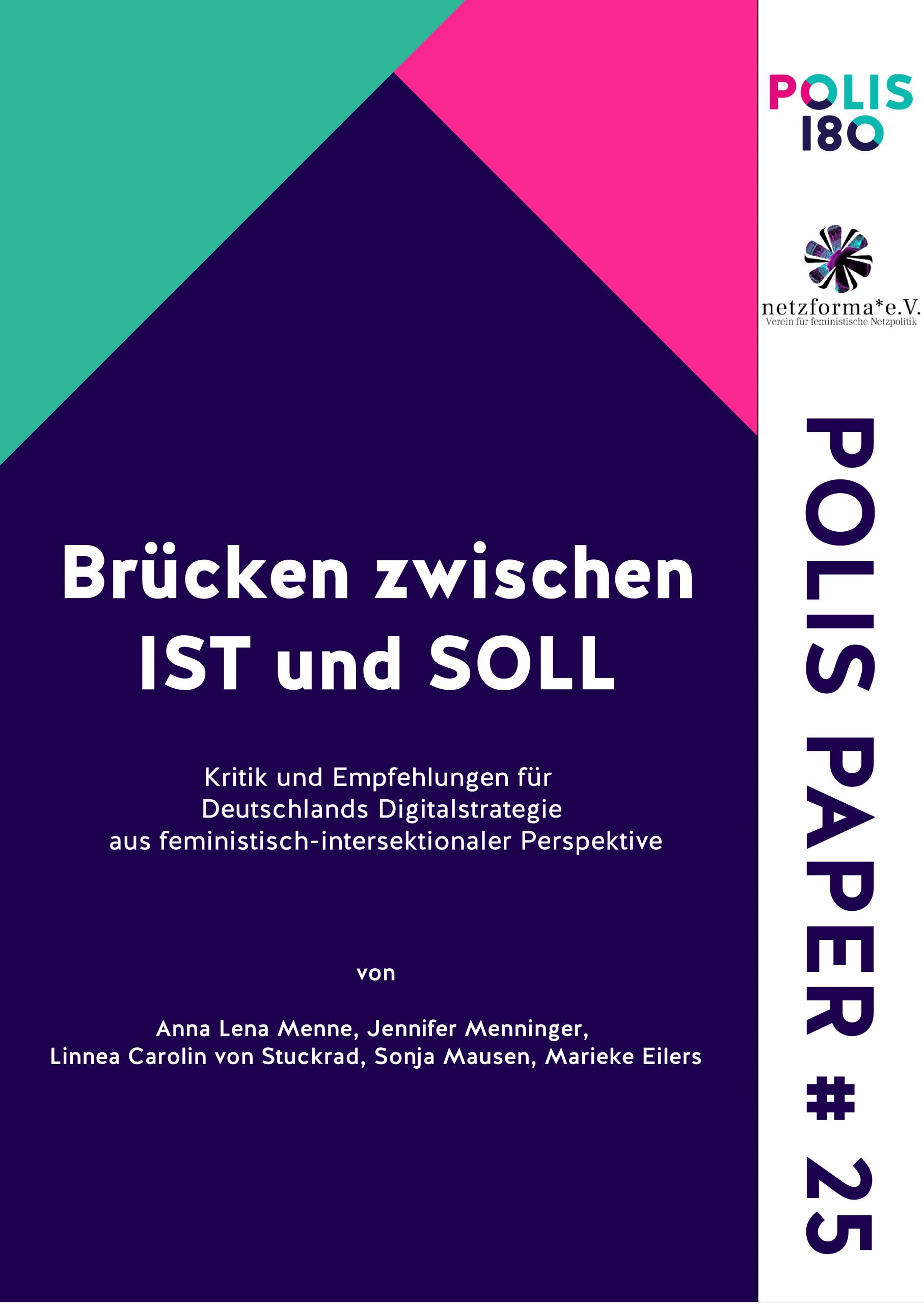
Im August 2022 veröffentlichte die deutsche Bundesregierung ihre ressortübergreifende Digitalstrategie mit dem Versprechen, Ungerechtigkeiten im digitalen Zeitalter anzugehen. Ein Jahr später fehlt es an konkreten Fortschritten, die festgehaltenen Maßnahmen bleiben unzureichend. Wie können wir die digitale Zukunft gerechter und nachhaltiger gestalten? Dieses Paper betrachtet die Strategie aus einer feministisch-intersektionalen Perspektive, identifiziert die inhaltlichen Schwächen und … Weiterlesen …
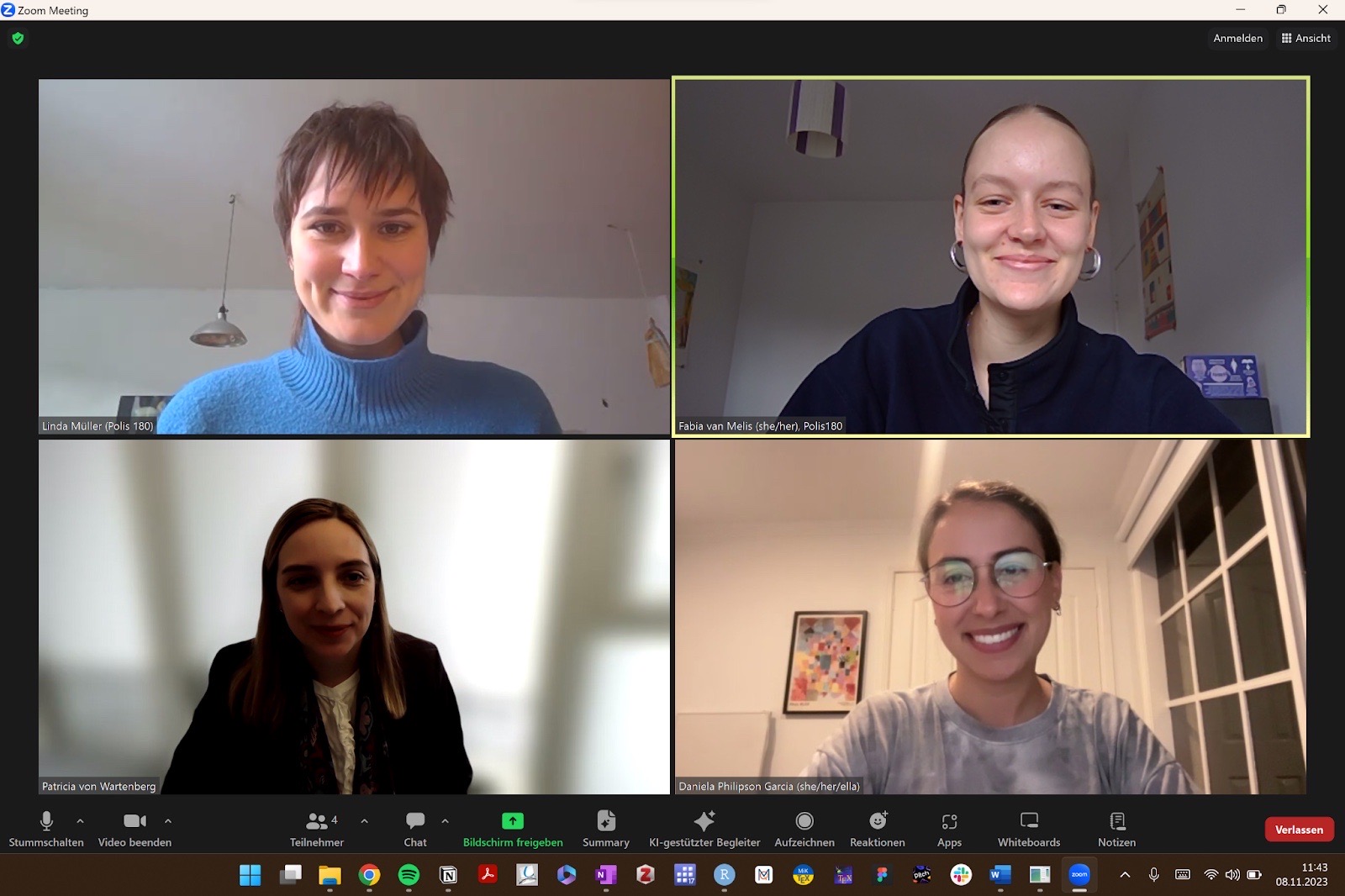
8. November 2023 On the 8th of November our event series „Feminist Foreign Policy(s): An On-Going Journey through Global Policies“ organised by the program Gender and International Politics continued. Following our Event on Swedens Feminist Foreign Policy (FFP) we continued with a talk on the FFP in Mexico under the topic “Mexico’s Feminist Foreign Policy … Weiterlesen …
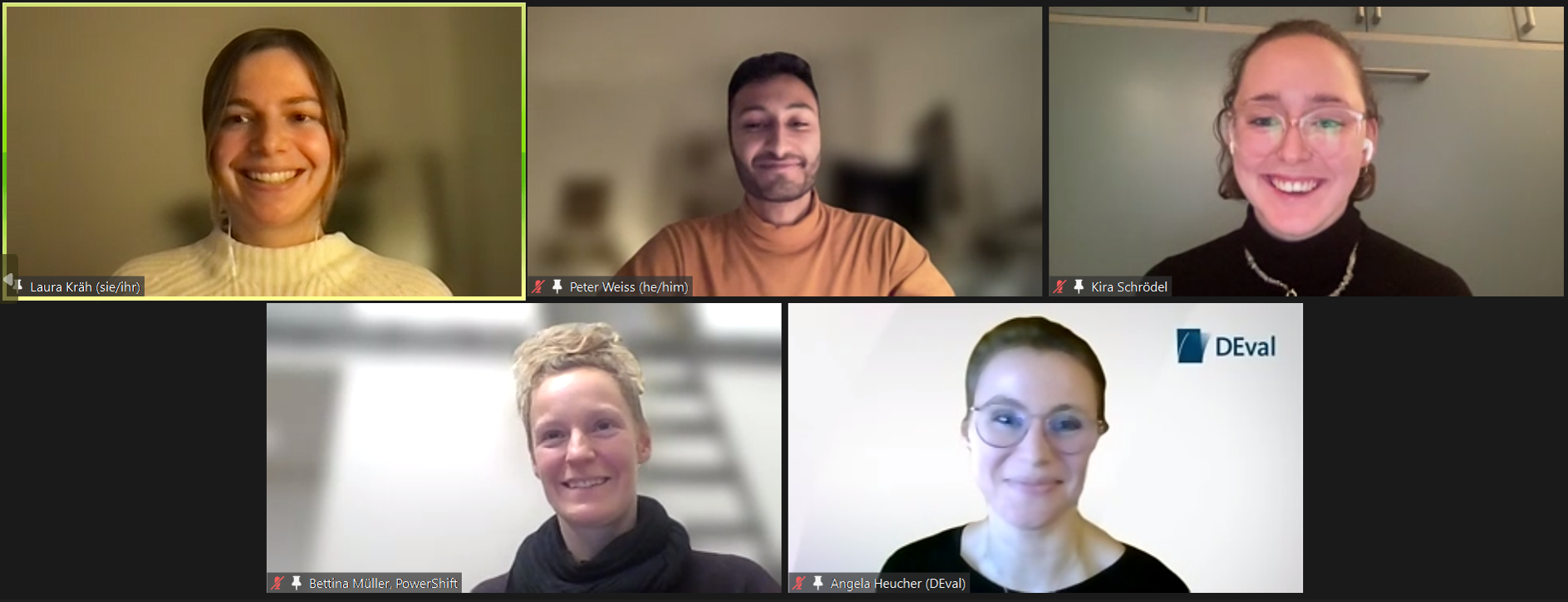
As part of our event series on Feminist Development Policy, organized by the programs Gender and International Politics and De_Constructing Development, our aim was to discuss the BMZ’s strategy on a feminist development policy from an Afghan postcolonial perspective. Together with Humaira Rasuli and Suraya Pakzad, we critically questioned whose voices are heard, who is visible and who dominates not only the strategy’s conception and the related public discourse but also development policy in Afghanistan in general.
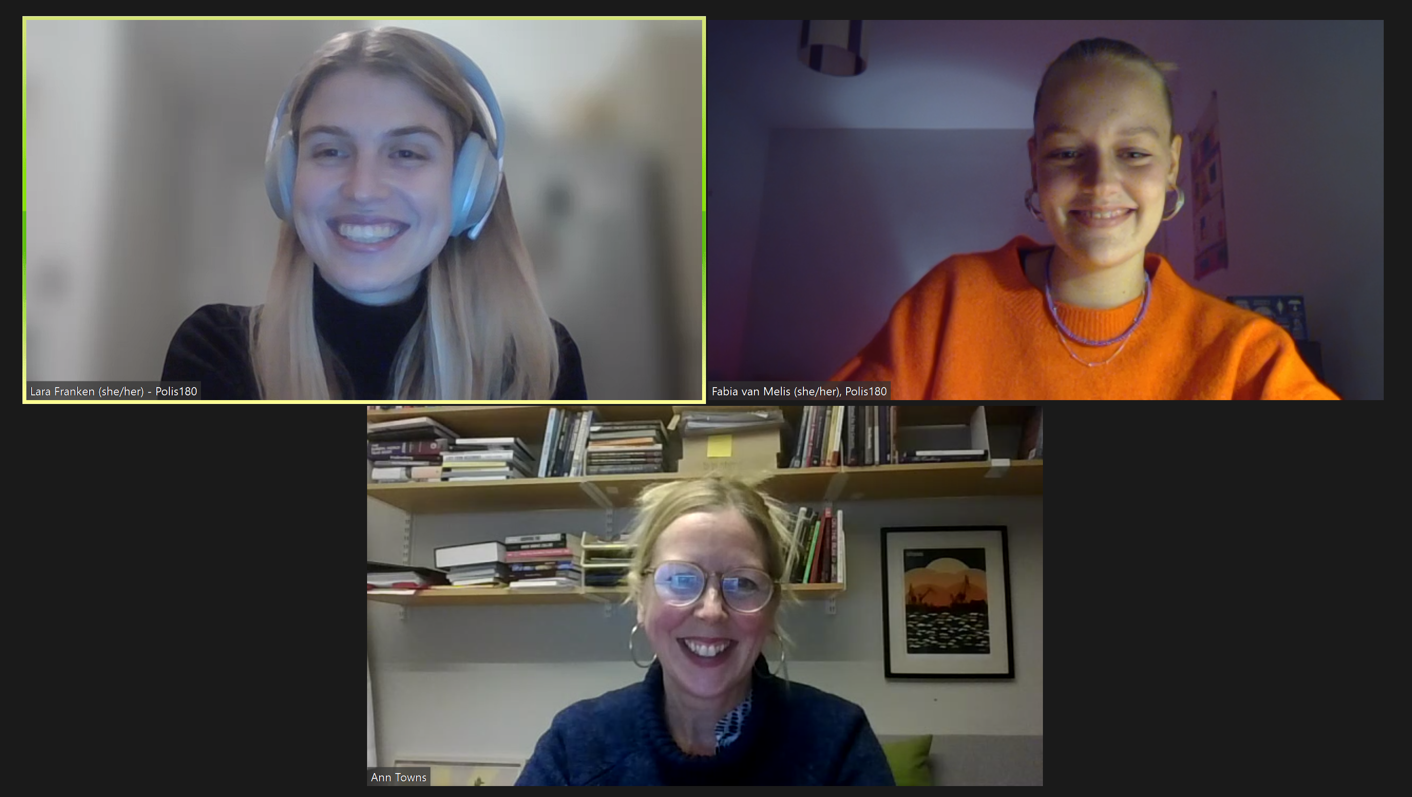
by Fabia van Melis On the 25th of October, the event series „Feminist Foreign Policy(s): An On-Going Journey through Global Policies„, organised by the programme Gender and International Politics, started. Under the topic “Revisiting Feminist Foreign Policy: Exploring Sweden’s Journey and the Power of the ‚F‘-Word”, we looked at the feminist foreign policy … Weiterlesen …
By Sophie Domres & Lena Wittenfeld 10.10.2023 While Feminist Foreign Policy (FFP) as a normative foreign policy approach gains global traction, its application often remains superficial, leading to varied interpretations, limited impact and various tensions. This paper comprehensively unveils the discourses surrounding FFP, highlighting its (in)consistent yet transformative potential. We initially argue that FFP’s shift … Weiterlesen …
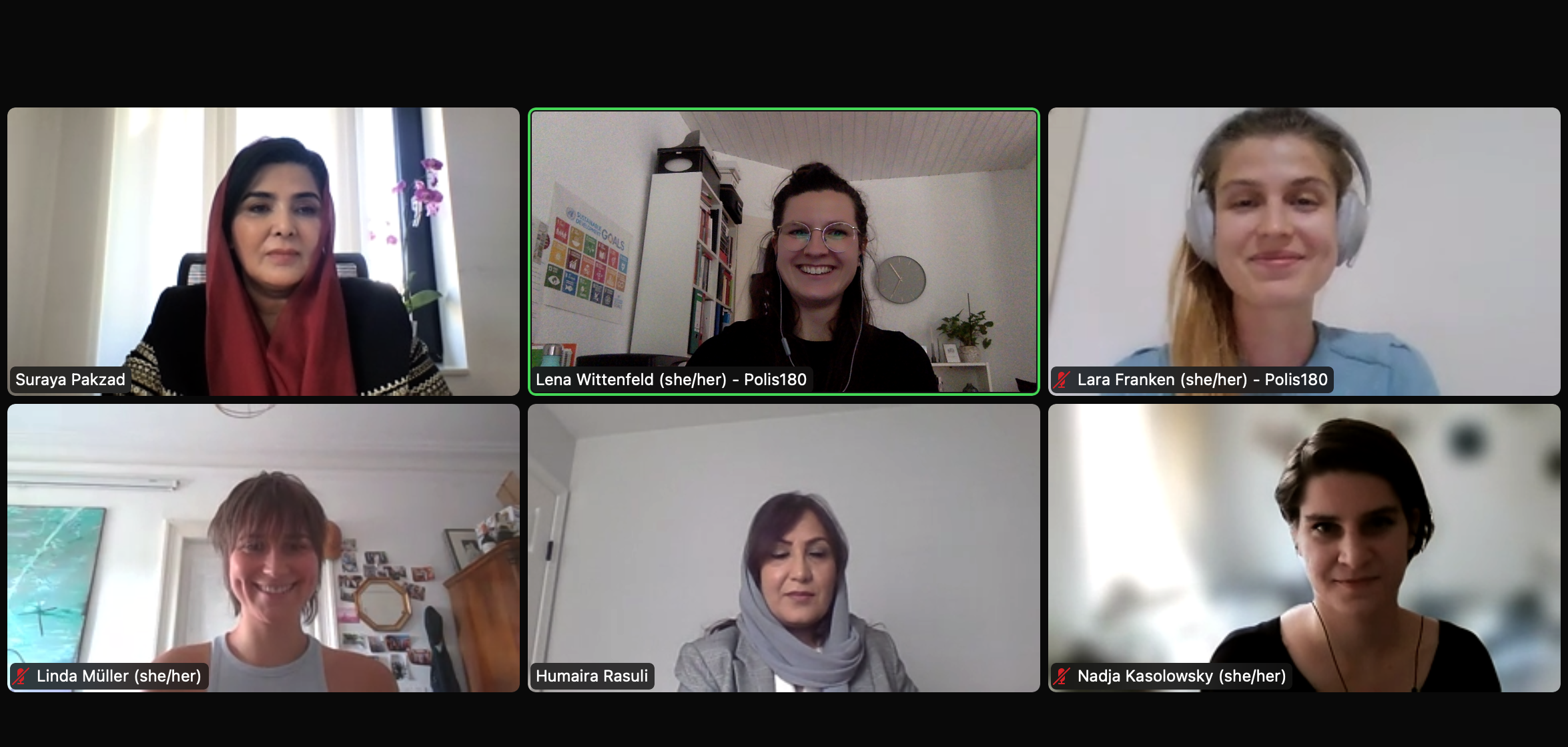
As part of our event series on Feminist Development Policy, organized by the programs Gender and International Politics and De_Constructing Development, our aim was to discuss the BMZ’s strategy on a feminist development policy from an Afghan postcolonial perspective. Together with Humaira Rasuli and Suraya Pakzad, we critically questioned whose voices are heard, who is visible and who dominates not only the strategy’s conception and the related public discourse but also development policy in Afghanistan in general.
Das Netzwerk 1325, bestehend aus 18 intersektional feministisch arbeitenden Nichtregierungsorganisationen, hat sich gefragt: Was muss sich strukturell und inhaltlich ändern, damit von einer feministischen Außenpolitik Deutschlands gesprochen werden kann? Antworten enthält ein gemeinsames Policy Brief.
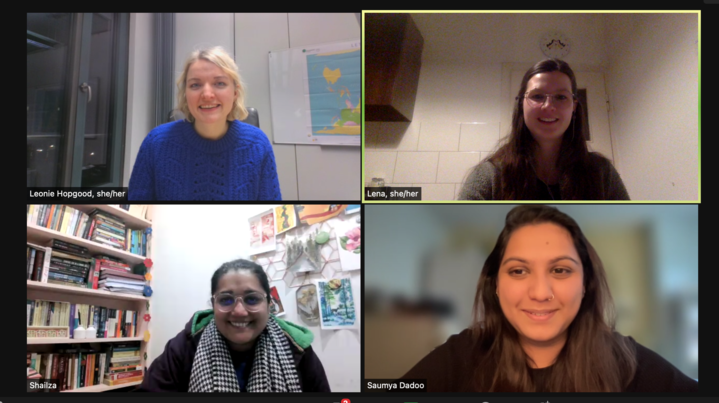
As part of our Feminism(s) series we came together with Saumya Dadoo and Shailza Sharma to talk about feminism(s) in India. The aim of our teatime event has been to learn more about Indian feminism(s) and discuss ideas of feminism, feminist activism and challenges to women’s equality in modern-day India aiming at building and understanding of the Indian cultural context and strengthen knowledge about the state of gender equality in this diverse and heterogeneous subcontinent.
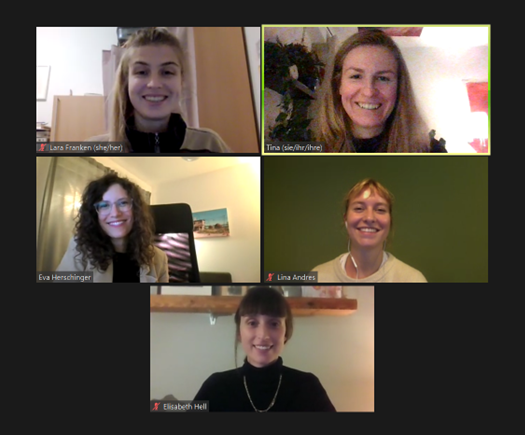
Mit unseren zwei Expertinnen – D Dr. habil. Eva Herschinger, Senior Researcher am Center for Intelligence and Security Studies an der Universität der Bundeswehr München, und Elisabeth Hell, Zuständige für den Bereich Rechtsextremismus beim Violence Prevention Network gGmbh – haben wir uns die Rolle von Gender in rechtsextremen Bewegungen genauer angeschaut: P.
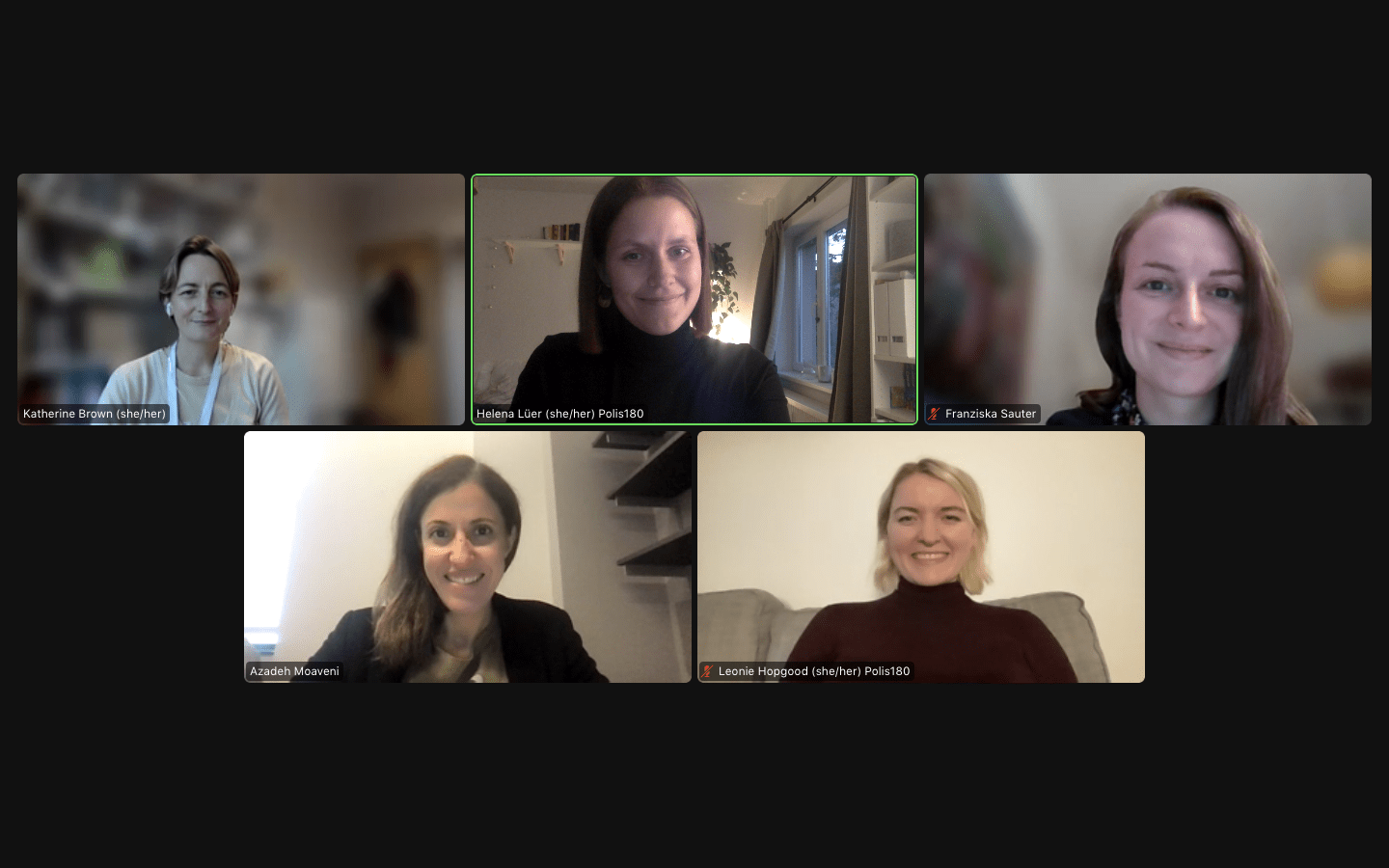
Fragen von der geschlechtsspezifischen Dimension von Flucht haben im in einer gemeinsamen Veranstaltung der Programme Gender und Internationale Politik und Migration von Polis180 mit den Referentinnen Ulrike Krause und Tatevik Dallakyan diskutiert. Zudem wurde die Veranstaltung von Gedichten von Rojin Namer und Robina Karimi von The Poetry Project begleitet.
Das Netzwerk 1325, bestehend aus 18 intersektional feministisch arbeitenden Nichtregierungsorganisationen, hat sich gefragt: Was muss sich strukturell und inhaltlich ändern, damit von einer feministischen Außenpolitik Deutschlands gesprochen werden kann? Antworten enthält ein gemeinsames Policy Brief.
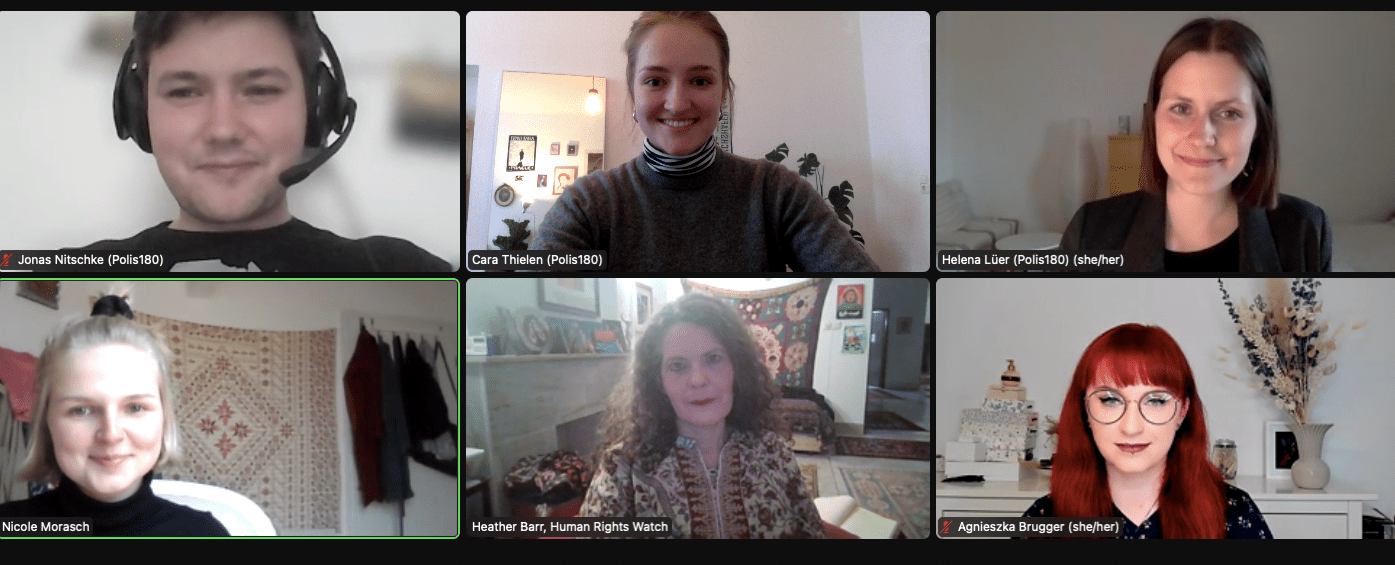
Fragen von der geschlechtsspezifischen Dimension von Flucht haben im in einer gemeinsamen Veranstaltung der Programme Gender und Internationale Politik und Migration von Polis180 mit den Referentinnen Ulrike Krause und Tatevik Dallakyan diskutiert. Zudem wurde die Veranstaltung von Gedichten von Rojin Namer und Robina Karimi von The Poetry Project begleitet.
Die Istanbul Konvention ist eines der wichtigsten Abkommen zur Beseitigung von Gewalt gegen Frauen – doch bei ihrer Implementierung gibt es noch große Lücken. Im Polis Paper N° 15 zeigen die Autor*innen, dass die Ziele der Konvention kontinuierlich verteidigt werden müssen, und formulieren konkrete Handlunsgsempfehlungen.

A Comment by Maike Laengenfelder and Karoline Färber
Ein Beitrag von Rebekka Pflug und Leonie Hopgood

Together with Dr. Hürcan Asli Aksoy from the Centre for Advanced Turkey Studies (CATS) we discussed the history and waves of feminism in Turkey, its different manifestations and its fight to push back the pushback under the AKP government. Read our event report!
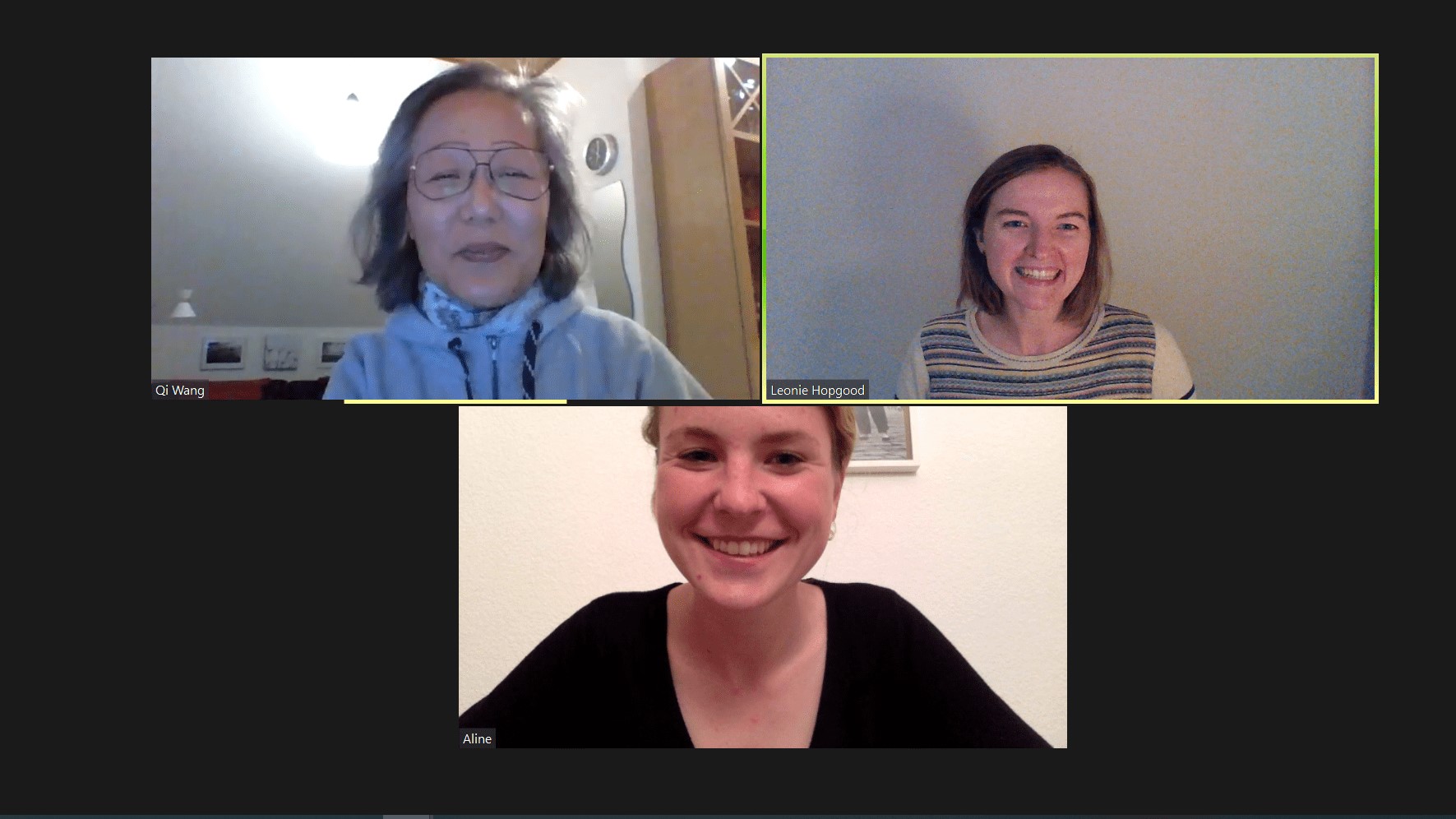
Many women in China still feel strong societal pressure to conform to conservative gender roles and their freedom of expression is limited. We have spoken to Dr. Qi Wang about the issues that Chinese women face and how they are trying to change them. Read our event report!

According to our speaker Dr. Lana Sirri, a major problem of Western engagement in the Middle East is the widespread narrative of the liberation of Muslim women. Want to learn more about Islamic Feminism? Read our event report!