Ukraine’s Underground Resistance: The Unseen Battle for Sovereignty

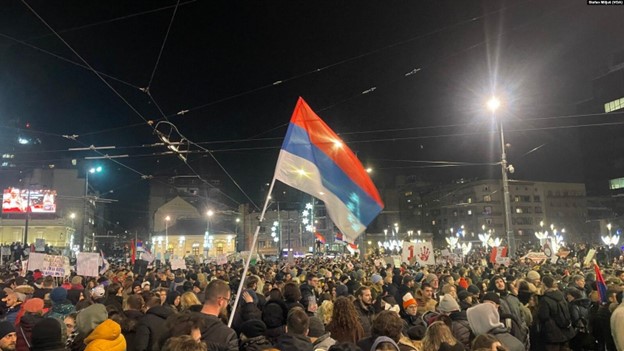
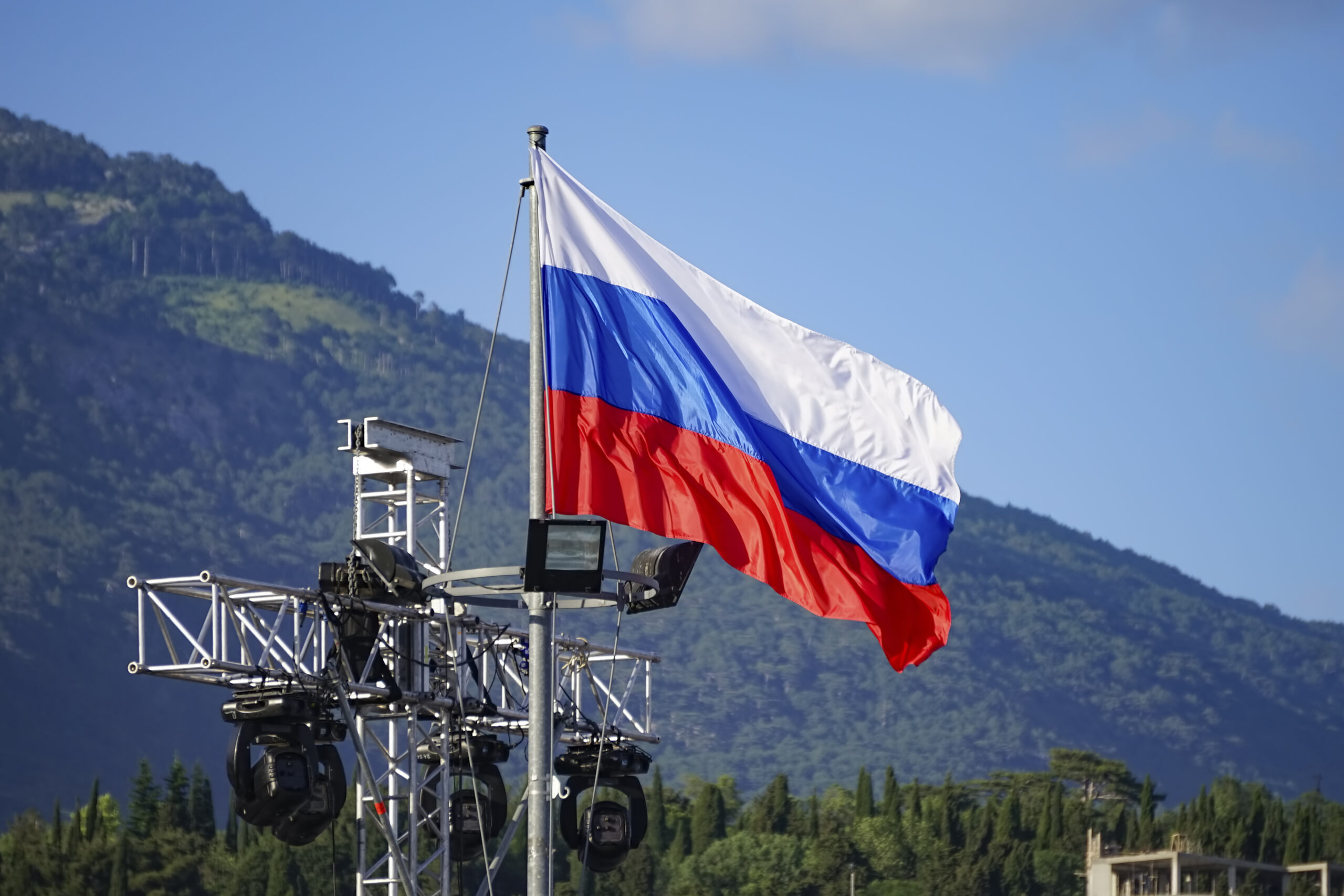
In Ukraine’s occupied territories, coordinated civilian and military resistance movements conduct sabotage, gather intelligence, and defend national identity – forming a vital, often unseen front in the fight for sovereignty. The Kazakh phrase Qandy Qantar (Bloody January) is used by Kazakh civil society and media to refer to the violent crackdown of those protests. The name signals the tragedy of the events, calls for justice, and emphasizes the ongoing demand that the victims must not be forgotten. Even though the protests seem to have been ignored by many in Europe, they have ongoing consequences for the civil society in Kazakhstan, because what followed was not reform — it was repression and a consolidation of power.

Qandy Qantar – Bloody January and the silencing of a Nation

In January 2022, Kazakhstan faced its most violent domestic crisis since the end of the Soviet era. While the protests initially focused on rising fuel prices, they soon evolved into a broader rejection of authoritarianism.
The Kazakh phrase Qandy Qantar (Bloody January) is used by Kazakh civil society and media to refer to the violent crackdown of those protests. The name signals the tragedy of the events, calls for justice, and emphasizes the ongoing demand that the victims must not be forgotten. Even though the protests seem to have been ignored by many in Europe, they have ongoing consequences for the civil society in Kazakhstan, because what followed was not reform — it was repression and a consolidation of power.
How migrant communities have become the overlooked victims of hybrid warfare

The popularization of far-right radical ideas among some migrant communities has become widespread in multiple countries across the West (and not only), the most popular example probably being the “Latinos for Trump” movement. Other examples are the Russian and Turkish communities in Germany. This is not a coincidence, as malign domestic and foreign actors have been using hybrid warfare tactics for years, trying to lower trust in democratic institutions and creating divisions across society. Migrants are one overlooked target of this hybrid warfare.

Georgia’s fight for EU: Protests against Russian interference

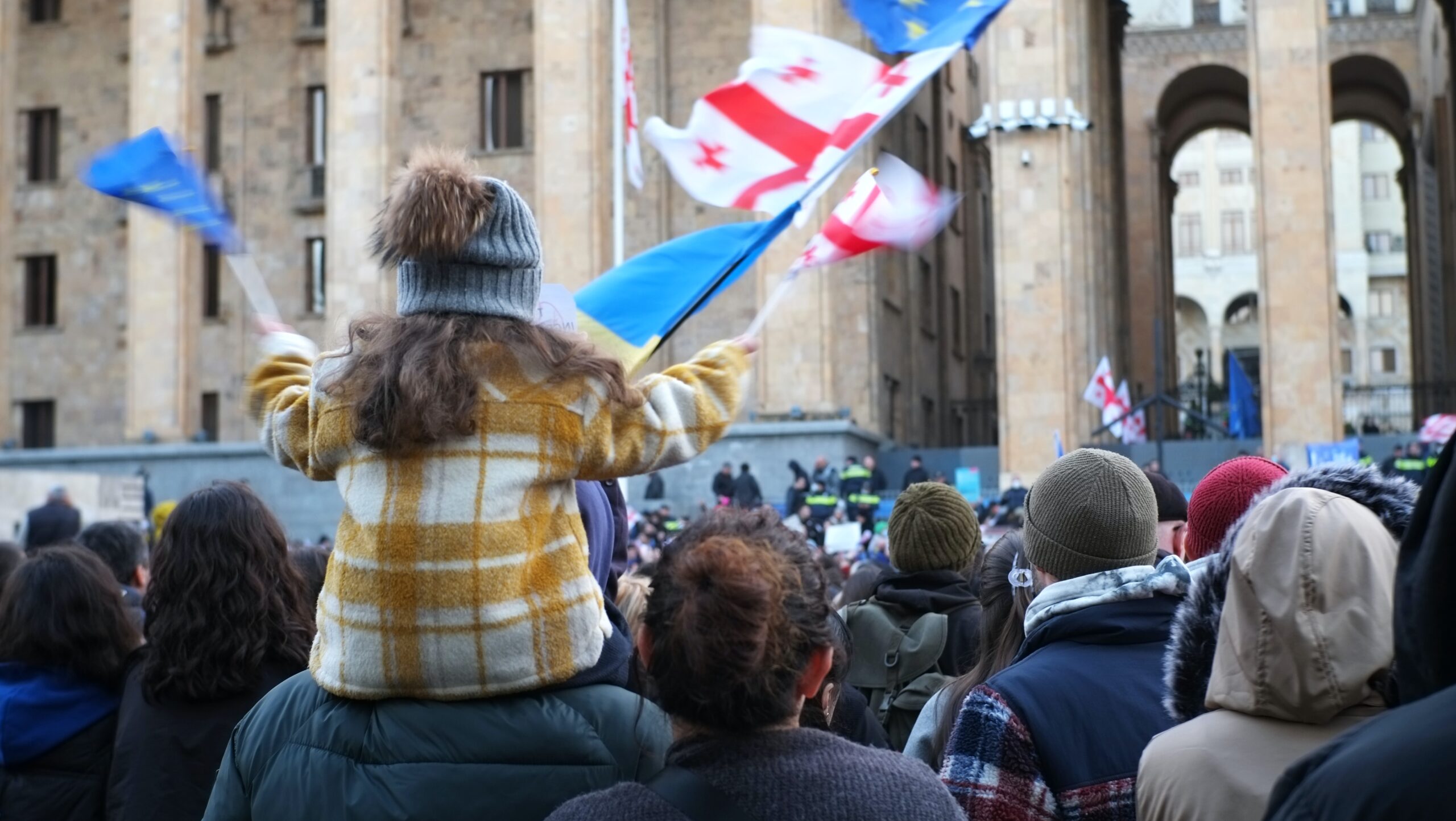
Georgia has been in a protracted crisis since the parliamentary elections in October 2024. Once a pioneer of democratic reforms in the post-Soviet region, the country has become increasingly authoritarian under the current government and has turned its back on the West. While the Georgian government has suspended EU accession talks until at least 2028, public sentiment remains overwhelmingly pro-European, with civil society mobilizing in protests against the government’s increasingly authoritarian trajectory. Despite the repression, public opposition remains strong. Georgia is at a crucial point that will influence the future direction of the country: Either it follows the Euro-Atlantic path, or it falls even more under Moscow’s influence.

The Fight for the Diaspora – About Grievances and National Identity in Romanian Elections

The results of Romania’s 2024 first presidential round were not only a shock to the more reliable polling institutes inside the country, but were likewise a surprise for politicians, journalists and observers in the country and abroad. Most googled question of November 24: Who is Călin Georgescu? This is not only a story about foreign interference and online disinformation. It is also a story about millions of Romanians living abroad, long marginalised in national discourse, and now increasingly shaping the country’s democratic trajectory.

Let’s Start Looking East…and Listening to them, too!

Eastern Europe and Central Asia are often overlooked in discussions on democratic resilience, yet the region has become a frontline of resistance against authoritarianism and neo-imperialism. From Ukraine’s defiance of Russian aggression to grassroots movements in Georgia and Belarus, these examples demonstrate how lived histories of oppression fuel both pragmatic and idealistic struggles for democracy. This blog series highlights evolving, people-led forms of resistance that challenge unjust power and offer valuable lessons for global efforts to defend democratic values today.

Wie die georgische Zivilgesellschaft für eine demokratische Zukunft kämpft

Bereits Ende 2022 sorgten das von der parlamentarischen Mehrheitsbewegung „Volksmacht“, initiierte Gesetz „Über die Transparenz ausländischer Einflussnahme“ und die Registrierungspflicht „ausländischer Agenten“ für große Meinungsverschiedenheiten und Unzufriedenheit in der Bevölkerung Georgiens. Am 6. März 2023 folgten auf die Verabschiedung des Gesetzentwurfs in erster Lesung im Rechtsausschuss des georgischen Parlaments Massendemonstrationen in der Hauptstadt Georgiens, mit … Weiterlesen …

Die unerträgliche Leichtigkeit des Europäischwerdens

Ein Beitrag von Frauke Seebass

Europäische Identität, Europäisierung, Zukunft Europas: Scheinbar inklusive Konzepte, die aber oft der Abgrenzung dienen. Nirgends wird dies deutlicher als in den Ländern des „Westbalkans“, die trotz ihrer geografischen Nähe weiterhin als das „Andere“ dienen, demgegenüber sich Europa definiert.

Weiterlesen …

Creating inclusive societies through cross sector cooperation

An analysis by Nora Pohl
with Rima Beridze, Linda Beridze, Ana Sikhashvili, Dima Karchava, Nino Odisharia, Anna Sakhokia, Giorgi Kemularia, Mariam Jghamadze and Mariam Bolkvadze

In Georgia, people with disabilities face multiple challenges when it comes to participating in public and social life. Two groups of young people from different Georgian regions prove that through innovative ideas and cooperation with experienced experts, these challenges can be tackled.

Weiterlesen …

Sustainable and inclusive growth as the key to social cohesion and territorial parity in Georgia

An analysis by Jonas Nitschke
with Tamta Chankseliani, Salome Artmeladze, Tamar Papava, Tamar Rekhviashvili, David Aludauri, Nika Kratsashvili, Grisha Labadze and Sandro Jibladze

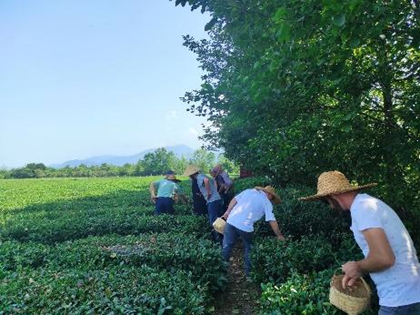
Despite some progress, Georgia continues to face major political and economic challenges. . Unemployment is on the rise, and the economic and social consequences of the pandemic were severe. Nevertheless, two groups of young innovators in Kobuleti and Baghdadi showed their creativity to show their Municipalities’ economic potential.

Weiterlesen …

Digital transformation, youth engagement and cross-sectoral cooperation

An analysis by Esther Kern
with Gvantsa Sikharulidze, Nino Uturashvili, Piqria Lomjaria, Nutsa Karseladze, Giorgi Tchabukiani, and Vasil Karseladze

The ongoing digital transformation has profound impacts on our economies, politics, and civil society, including youth engagement. Where and how young people engage changed over time,requiring new skill sets and partnerships. Cross-sectoral cooperation with private companies and other actors can help to equip young civil society actors with the necessary skills to lead the changes they want to see in society and politics.

Weiterlesen …

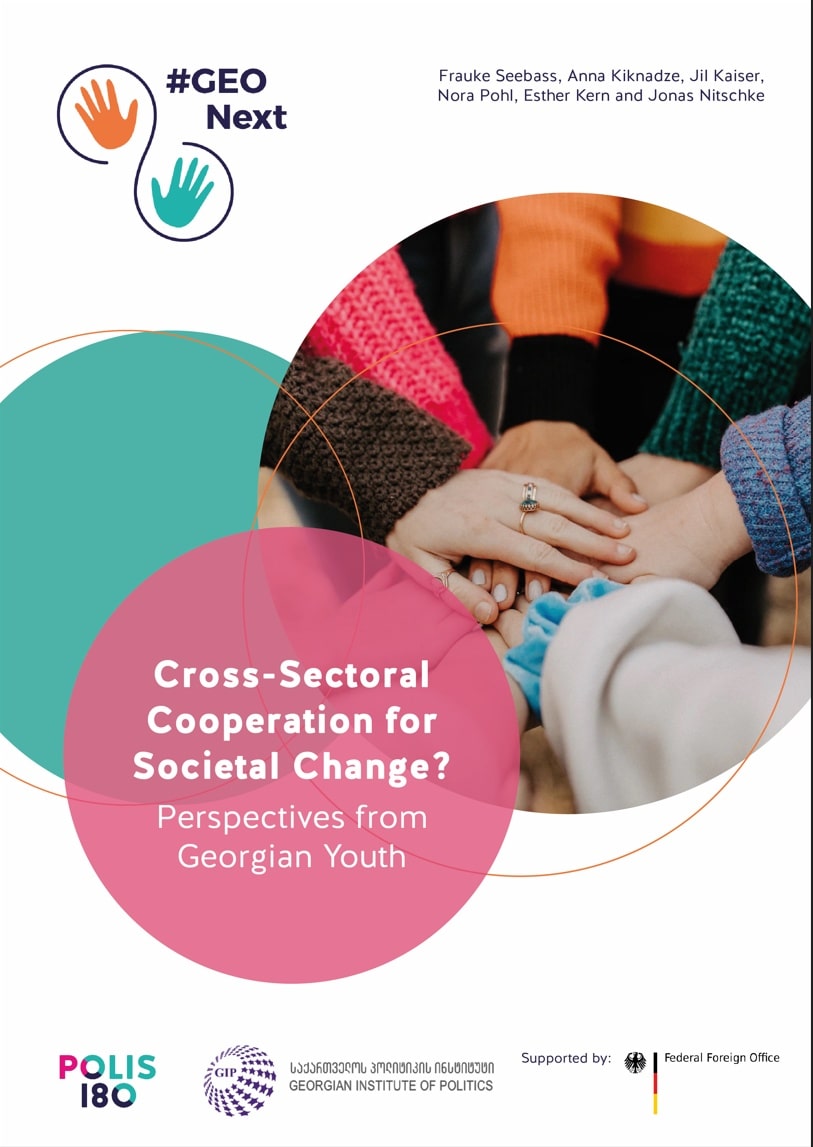
Cross-Sectoral Cooperation for Societal Change? Perspectives from Georgian Youth

Informed by international experts, research and practical experience in Georgia and Germany in the framework of #GEONext – Partnerships for Youth Engagement, this publication aims at providing a comprehensive perspective of the advantages and challenges of cross-sectoral cooperation, as well as best practice examples and tangible recommendations for successful collaborations across sectors.

#Youth4climatechange Ways ahead: The EU green deal?

With the adoption of the EU Green Deal and Eastern Partnership Initiative, the EU is putting forward an ambitious agenda to fight climate change within and beyond its borders. But what does the Green Deal mean for Georgia´s transformation process, and how can Georgian youth join forces with other actors to effectively tackle the effects of climate change?

An analysis by Jil Kaiser
with Khatia Gabinashvili, Salome Kushashvili, Tamta Gabinashvili, Giorgi Mokverashvili, Ana Baidauri, Madina Alkhanashvili, Iman Sviakauri & Mari Margoshvili

Weiterlesen …

#GEONext: Meet the Mentors

#GEONext – Partnerships for Youth Engagement uses civic education and international, cross-sectoral cooperation to prepare the next generation of Georgians to be civically engaged, know and exercise their rights and responsibilities, harness technology, and build partnerships to demand and facilitate increased government accountability. Meet our mentors from the private sector here!

Put your hands together for our #GEONext Co-Mentors!

In #GEONext, Polis180 & GIP once again join forces to bring youth participation in Georgia to the next level! In addition to mentors from business companies and international organizations, we have selected 4 German youth representatives who support the youths groups as Co-Mentors from an international grassroots perspective to implement local projects in their communities . And here they are!

We proudly present: The #GEONext project teams!

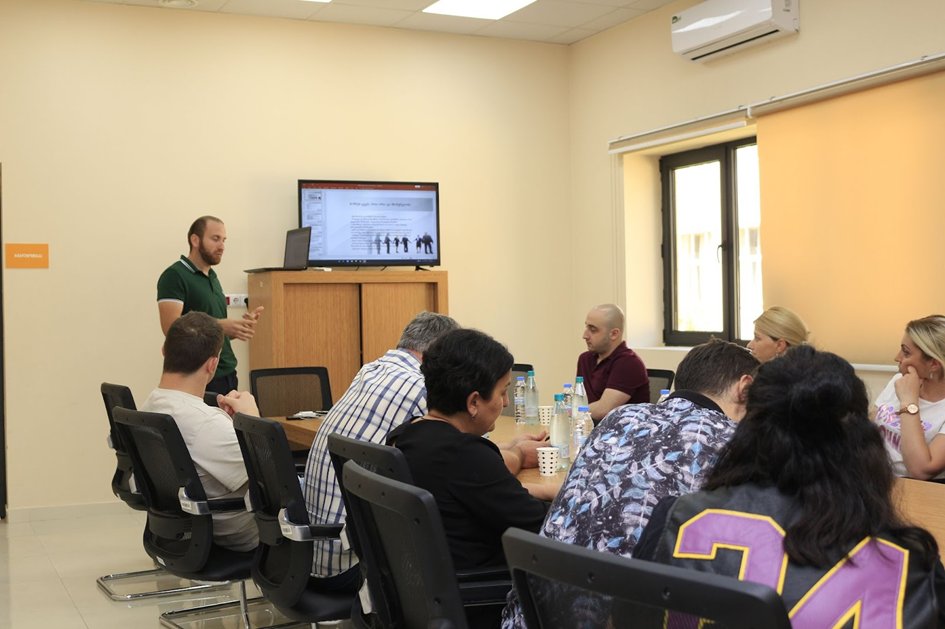
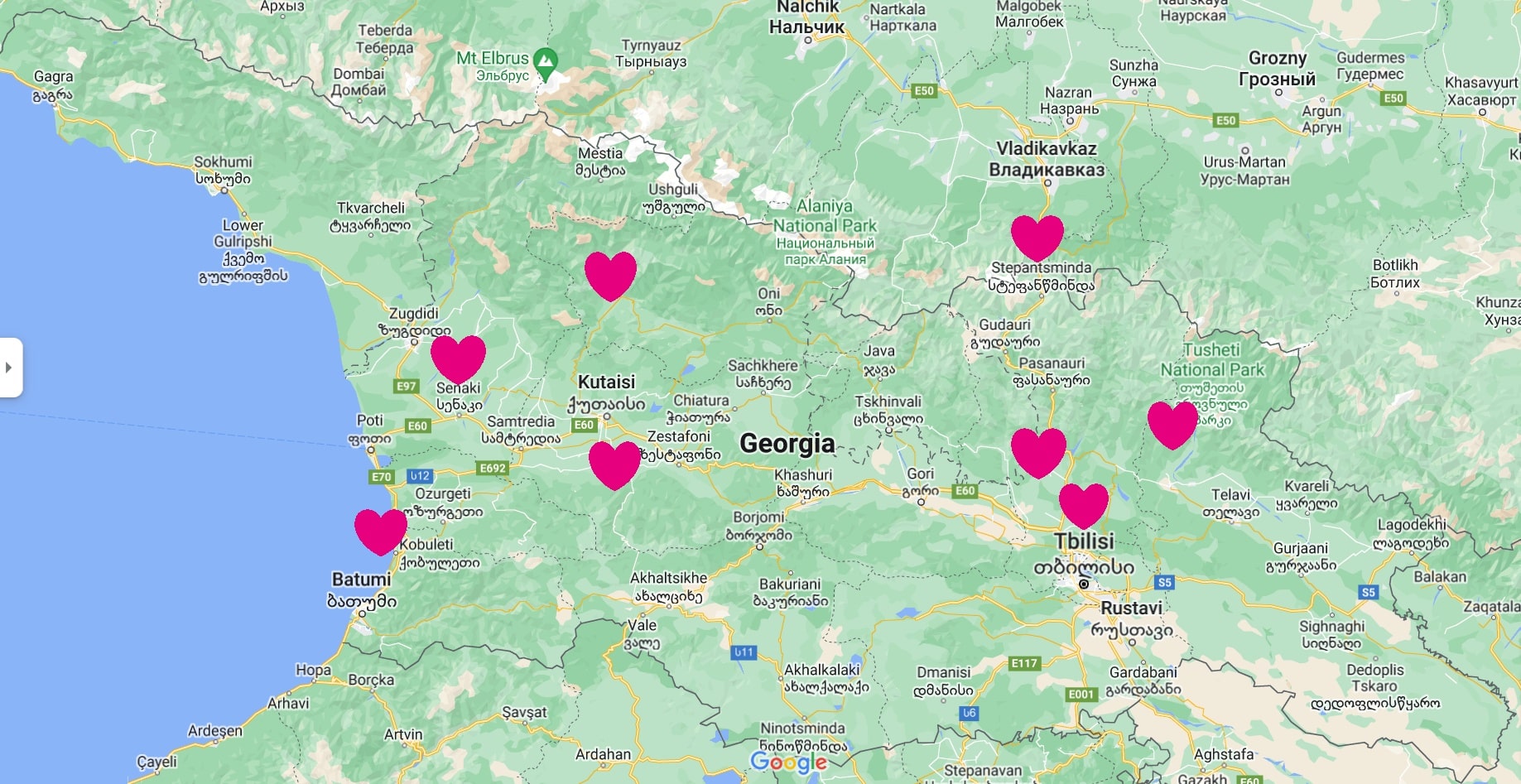
As part of our German-Georgian project series, #GEONext supports young people across Georgia to get involved in their communities and make their voices heard by decision-makers. From June to September 2022, they work together with private businesses and international institutions to develop their own initiatives and implement them in their communities, supported by the Georgian Institute of Politics and Polis180.