A comment by Amadeus Marzai

Welcome back to the latest edition of our nEUrds newsletter, where we dive deep into the riveting world of European economic policy with a twist of wit and a dash of insight. This time, we take a closer look at the latest developments in international trade. The EU is currently considering sanctions against Israel, which could include the suspension of trade concessions. At the same time, the EU is seeking to strengthen global partnerships and has just concluded its largest Comprehensive Economic Partnership Agreement (CEPA) to date with Indonesia. Finally, there is news on the Carbon Border Adjustment Mechanism (CBAM): the European Parliament has approved a new simplification of the scheme.
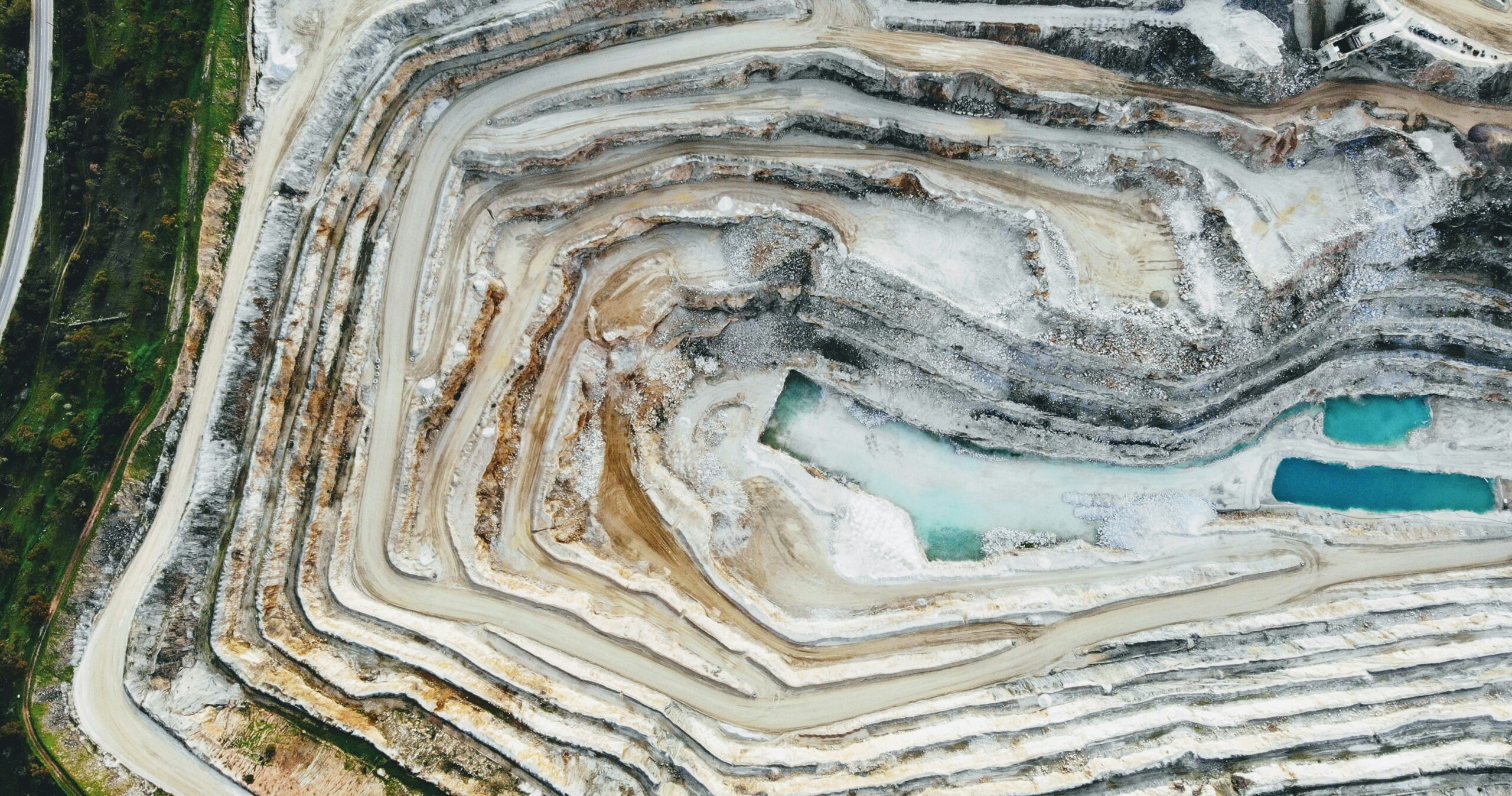
Weltweit ist ein sich zuspitzender Wettlauf um kritische Rohstoffe zu beobachten. Er heizt bewaffnete Konflikte an, zerstört Naturräume und ist zugleich von immenser Bedeutung für die europäische Wirtschaft und das Erreichen der Klimaschutzziele. Um soziale und ökologische Schäden wirkungsvoll zu begrenzen und zugleich wirtschaftliche Sicherheit zu gewährleisten, muss Deutschland eine proaktive Rohstoffaußenpolitik betreiben und eigene sowie europäische Kapazitäten stärken.
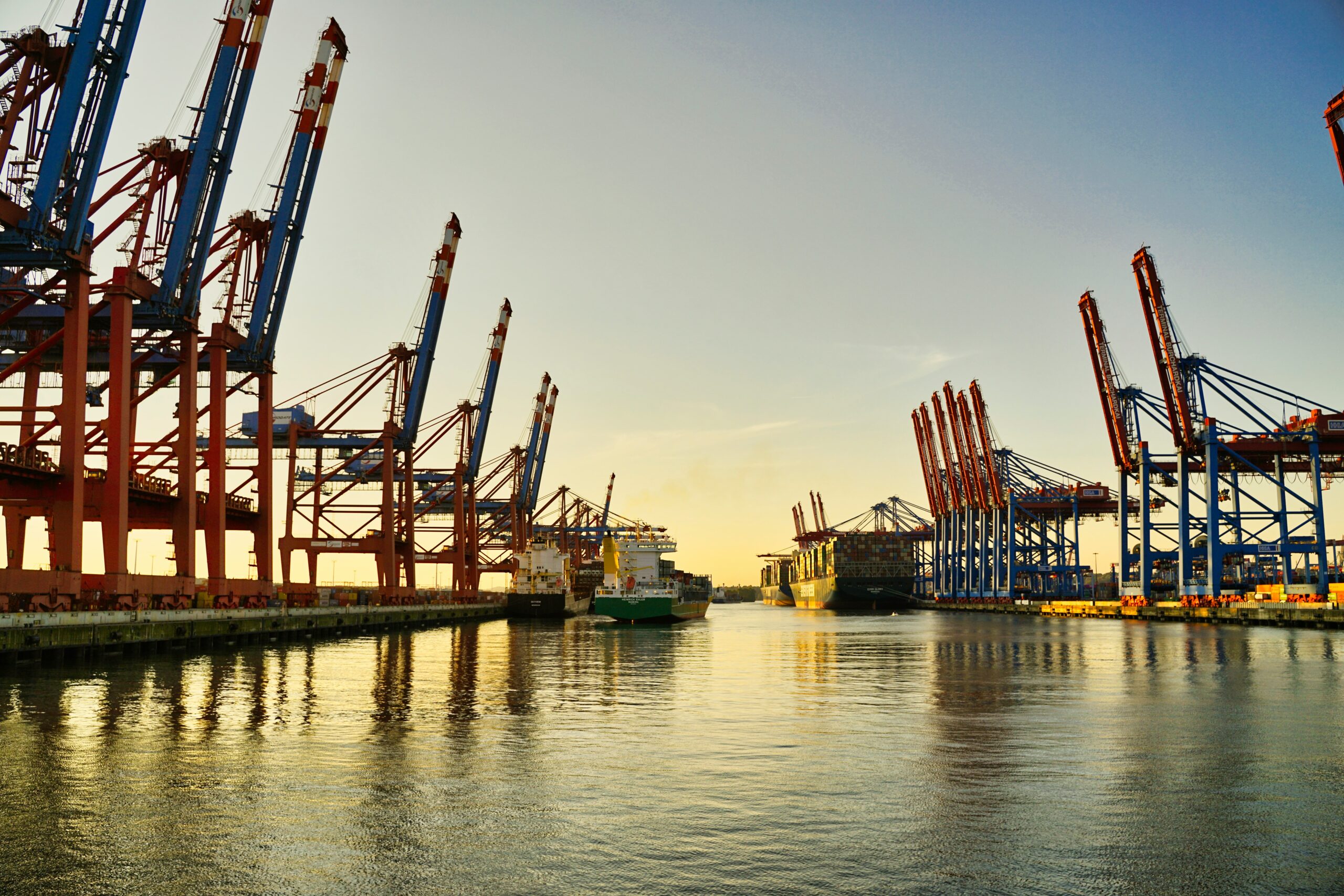
Wettbewerbsfähigkeit ist das Wort der Stunde. Doch über dessen Bedeutung gibt es ein großes Missverständnis. Wieso die EU aktuell taktisch statt strategisch handelt und damit langfristigen Wohlstand gefährdet.
Welcome back to the latest edition of our nEUrds newsletter, where we dive deep into the riveting world of European economic policy with a twist of wit and a dash of insight.This time around, we break down the European Commission’s country‐specific analyses on each member’s fiscal headaches and bespoke public‐finance prescriptions, before zeroing in on the ECB’s latest quarter‐point cut to its deposit rate; unveil the EU’s ambitious rebrand of its securitization and retail investment markets; track the back‐and‐forth over the upcoming 18th Russia sanctions package; review fresh EU–US tariff tête-à-têtes; and close with defence developments. Plus, don’t miss our „Crystal Ball Gazing“ for a glimpse into the future, and „Page Turners and Screen Burners“ for your next favorite read.
Welcome back to the latest edition of our nEUrds newsletter, where we dive deep into the riveting world of European economic policy with a twist of wit and a dash of insight.This time around, we break down the European Commission’s country‐specific analyses on each member’s fiscal headaches and bespoke public‐finance prescriptions, before zeroing in on the ECB’s latest quarter‐point cut to its deposit rate; unveil the EU’s ambitious rebrand of its securitization and retail investment markets; track the back‐and‐forth over the upcoming 18th Russia sanctions package; review fresh EU–US tariff tête-à-têtes; and close with defence developments. Plus, don’t miss our „Crystal Ball Gazing“ for a glimpse into the future, and „Page Turners and Screen Burners“ for your next favorite read.
Welcome back to the latest edition of our nEUrds newsletter, where we dive deep into the riveting world of European economic policy with a twist of wit and a dash of insight.This time around, we break down the European Commission’s country‐specific analyses on each member’s fiscal headaches and bespoke public‐finance prescriptions, before zeroing in on the ECB’s latest quarter‐point cut to its deposit rate; unveil the EU’s ambitious rebrand of its securitization and retail investment markets; track the back‐and‐forth over the upcoming 18th Russia sanctions package; review fresh EU–US tariff tête-à-têtes; and close with defence developments. Plus, don’t miss our „Crystal Ball Gazing“ for a glimpse into the future, and „Page Turners and Screen Burners“ for your next favorite read.
This week, we unpack the historic first post-Brexit UK-EU Summit – where leaders paved a “new chapter” with sweeping deals on fisheries, a streamlined sanitary and phytosanitary framework, and a landmark security & defence partnership – before decoding who really won (and lost) in the “grab bag” of agreements; we then turn to the EU’s 17th Russia sanctions package, the Commission’s plan to tame the flood of ultra-fast-fashion parcels with new handling fees, and the latest Trump-era tariff theatrics; finally, we spotlight the €150 billion SAFE arms-loan fund approved under the “ReArm Europe” push and consider what’s next for transatlantic and pan-European defence cooperation.
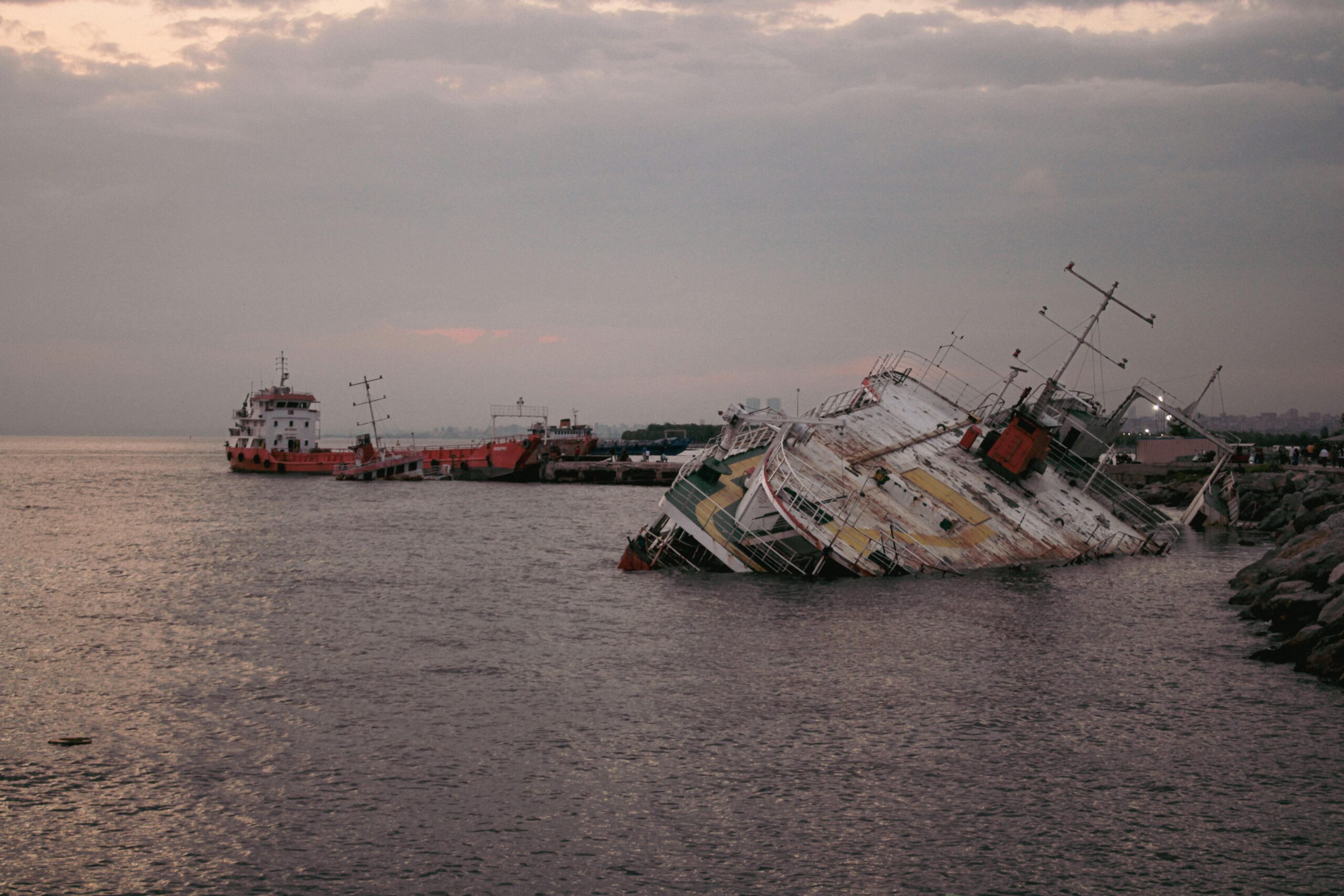
Global trade is shifting for a multitude of reasons: Be it as a response to protectionism, President Trump’s tariffs, or a changing world trade order. As such, the EU must adapt – building resilience, strengthening partnerships, and redefining its strategy.
We’re joined by Ruud Kempener from Commissioner Kadri Simson’s cabinet, offering unique insights into the continent’s hydrogen landscape. Our conversation takes you on a journey through Europe’s ambitious efforts to bolster its hydrogen economy. Explore the legislative initiatives that are driving change and the innovative markets emerging from these endeavors, including the significant role played by the European Hydrogen Bank.
In dieser Podcast-Folge des “Brüsseler Bahnhofs” dreht sich alles um Wasserstoff als Energieträger der Zukunft. Hierzu gibt Cara Bien, Energiereferentin des Bundesverbandes der Deutschen Industrie, Einblicke in die Bedeutung der Nationalen Wasserstoffstrategie und die verschiedenen Umstellungen und Herausforderungen die die deutsche und europäische Wirtschaft erwarten.
Entdecke in dieser neuen Podcast-Folge des “Brüsseler Bahnhofs” die faszinierende Welt des Handelsabkommens zwischen der EU und Kanada, besser bekannt als CETA und tauche ein in die tiefgründigen Dimensionen dieses Abkommens, sowohl auf europäischer als auch auf nationaler Ebene.

The fashion industry keeps on reinventing itself. Not only now during fashion week season with all the shows and collections but in a broader sense. It remains to be seen how digitization will influence fashion. The Polis180 article: Digital Fashion Week – an opportunity or in emergency only? touches on some of these topics. However, … Weiterlesen …
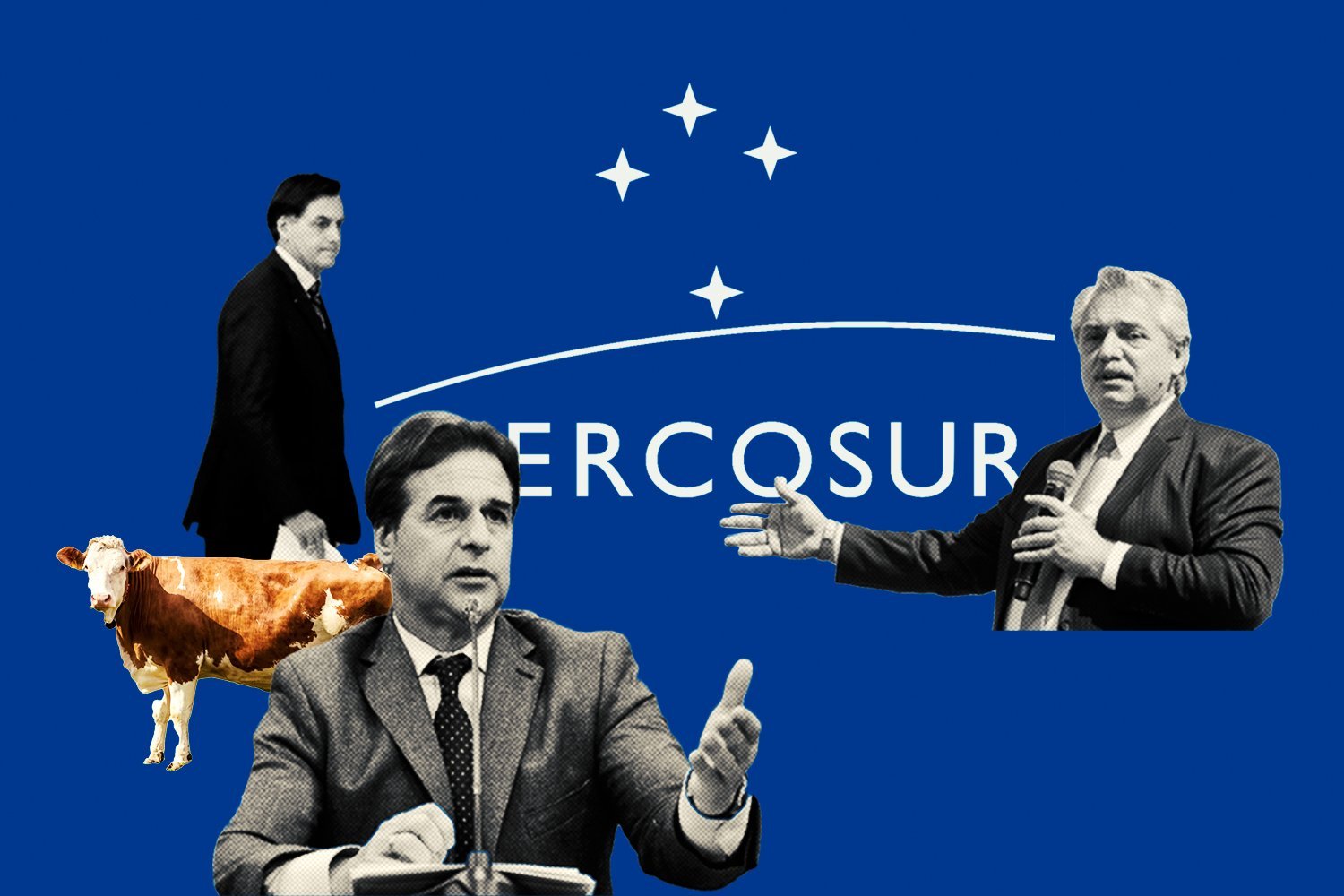
A comment by Amadeus Marzai
A comment by Anna-Loreen Mondorf
Ein Beitrag von Etienne Höra
A Comment by Lars Feyen and Paul Guthmann

A Comment by Lars Feyen and Paul Guthmann
A Comment by Thaddeus Jahn and Peter Müller
Ein Beitrag von Peter Müller
Ein Beitrag von Lukas Seelig
An Interview with AK Glück and Agora
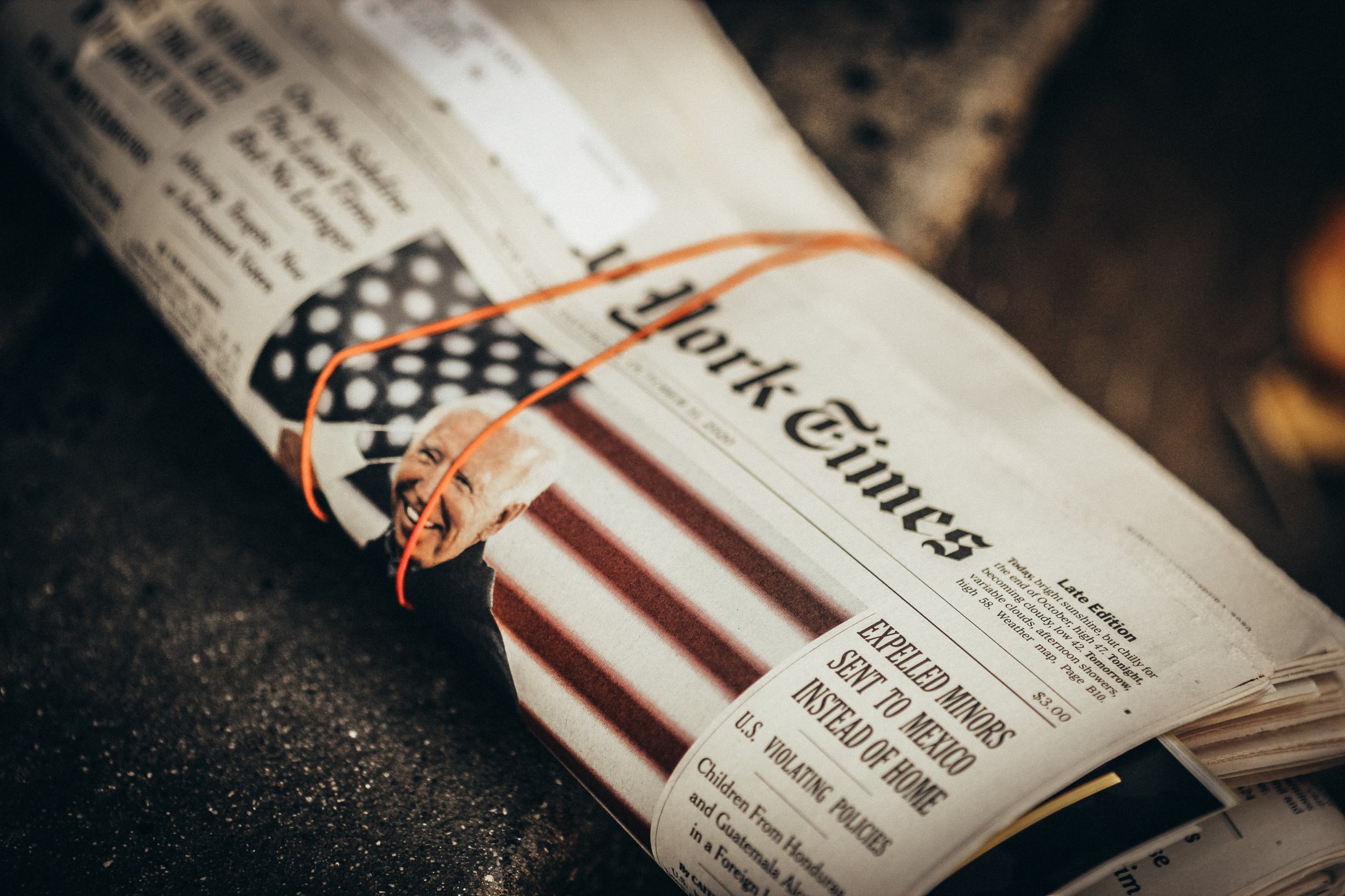
Ein Beitrag von Esther Kern und Julius Kerkhoff
Ein Beitrag von Luisa Maschlanka
A Comment by Nicole Stein and Diane Pernet
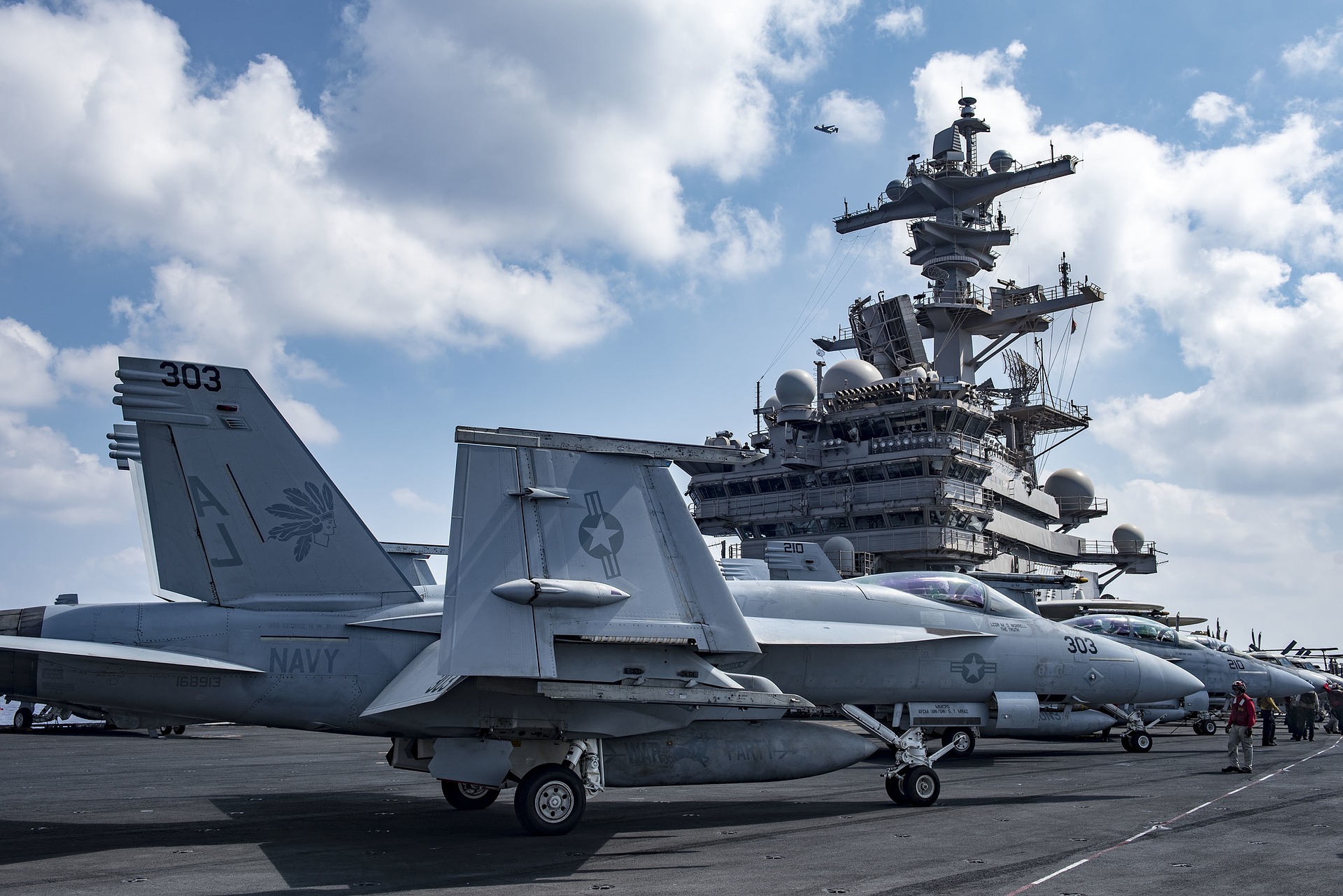
A Comment by Alexander Sorg

Ein Kommentar von Sarah Zitterbarth
Ein Beitrag von Robert Fisher
A Comment by Laura Menzel and Lydia Wachs

Ein Beitrag von Jule Könneke

Ein Kommentar von Nikolas Klausmann