Ein Beitrag von Lars Feyen

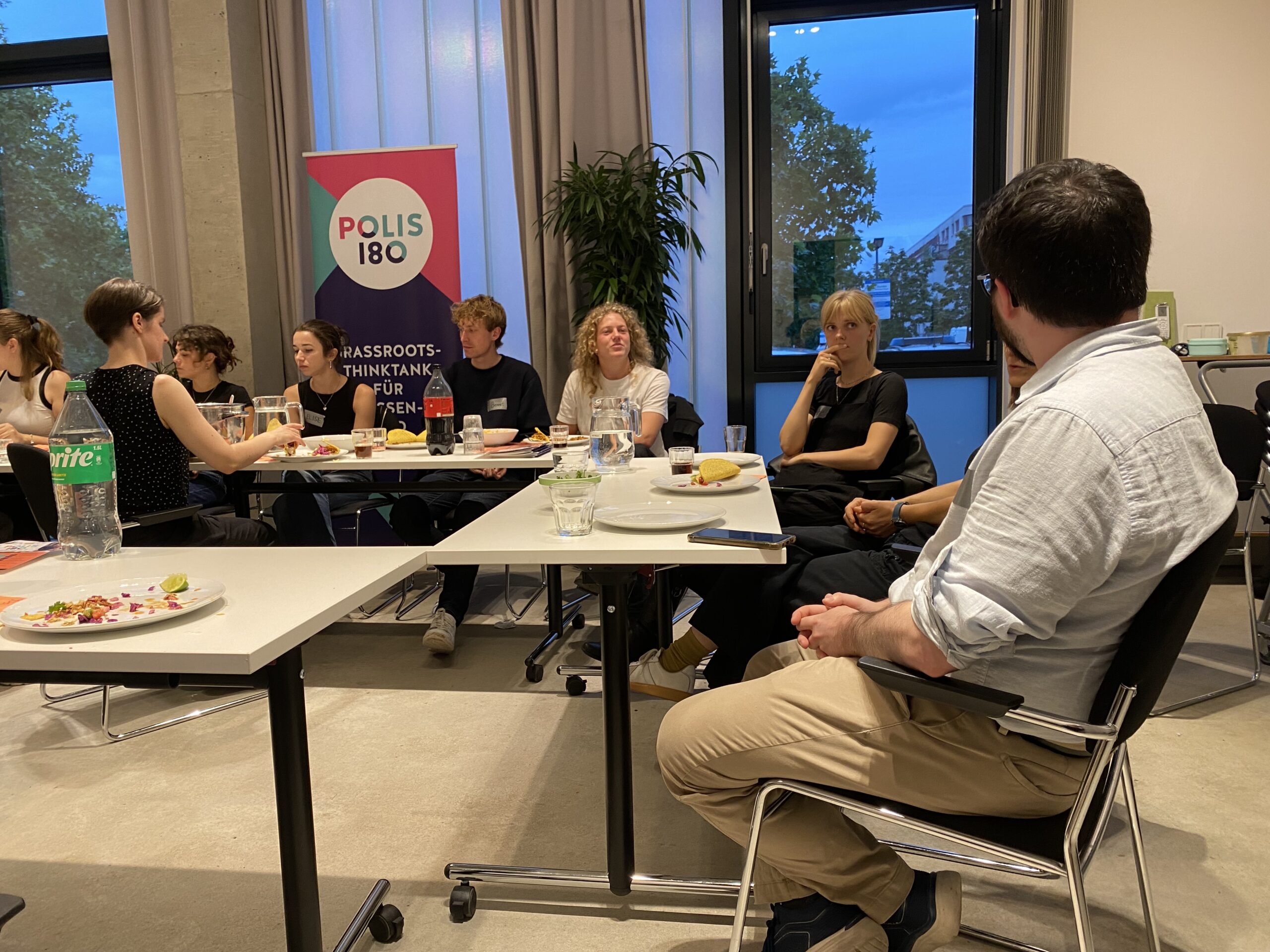
Seit Donald Trump steht die US-Zollpolitik für dauerhafte Unsicherheit in der internationalen Staatengemeinschaft. Im Rahmen der Auftaktveranstaltung der diesjährigen „Polis kocht“-Reihe diskutierten die Programmbereiche Europäische Wirtschaftspolitik und The America(n)s mit Dr. Laura von Daniels von der Stiftung Wissenschaft und Politik über Trumps Zollpolitik und ihre Folgen für den transatlantischen und globalen Handel. Während der Veranstaltung wurden themengerecht vegane, individuell gestaltbare Tacos serviert.

Democratic elections follow their own rules and developments. The Canadian Liberals had been way down in the polls during the last days of Prime Minister Trudeau’s term, just for having a massive turn around in the last couple of weeks before the election to nearly secure a majority government for them. Meanwhile, the Conservatives lost what looked like an insurmountable lead in the polls, now forced to watch a possible next era of Liberal dominance. How could this come about? What role did US-president Trump play? And what does this mean for the future of Canada – EU relations?
Donald J. Trump has become president-elect of the United States of America once again. In a narrowly projected race against his Democratic opponent Kamala Harris, he was able to secure a solid victory in the end which was less contested than polls suggested. Besides strong mobilization effects of core Republican voters, Trump gained surprising support among two key voting groups: first and young voters and Latino men. From a European perspective, it is hard to predict what a second Trump term will look like when it comes to the future of U.S. foreign policy. But indicators suggest an even more radical agenda when it comes to economic and military decisions than during his first term.
Am 25. Oktober lud der sich im März 2024 wieder institutionalisierte Programmbereich The America(n)s zu einer gemütlichen Kochrunde im Polis-kocht-Format ein. Im Vorfeld der diesjährigen US-Präsidentschaftswahl ging es uns darum, über die im Wahlkampf entwickelten und genutzten Narrative in der politischen Kommunikation zu sprechen. Welche Erzählungen nutzen die Kandidierenden über sich selbst, welche sind über … Weiterlesen …
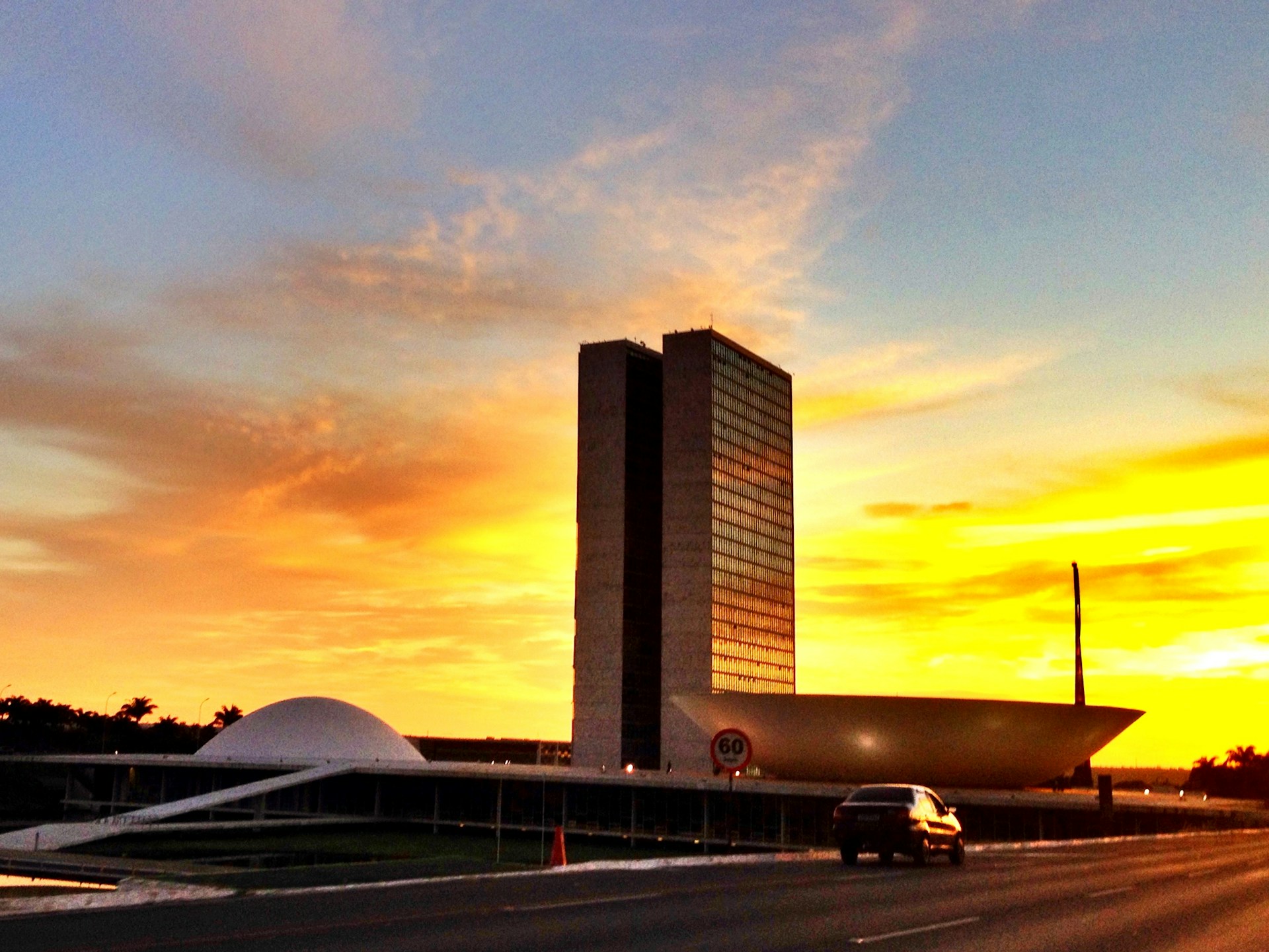
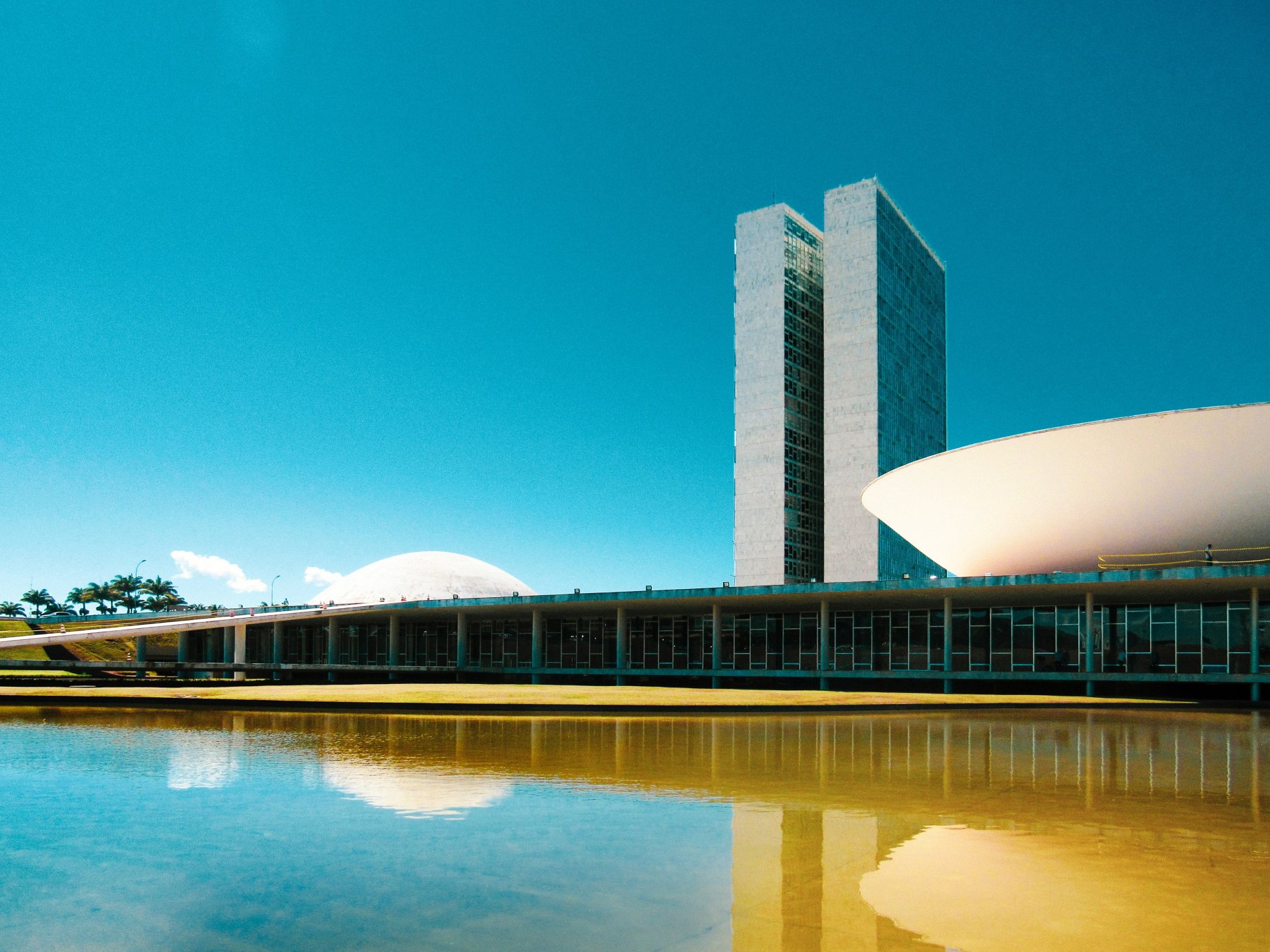
Democracies around the world will elect their government officials this year; besides the much-discussed upcoming Western democratic elections, like the US elections, Polis180 is dedicated to shedding light on democratic elections in other parts of the world too. Therefore, we are proud to present our new blog series titled „The Democratic Panorama in Latin America“, in which we report on the current state of Latin American affairs focusing on general elections. Today, let’s have a closer look at the state of Brazil’s democracy and the upcoming elections on the municipal level. We also examine what implications the results may have for the rest of President Lula’s current term.
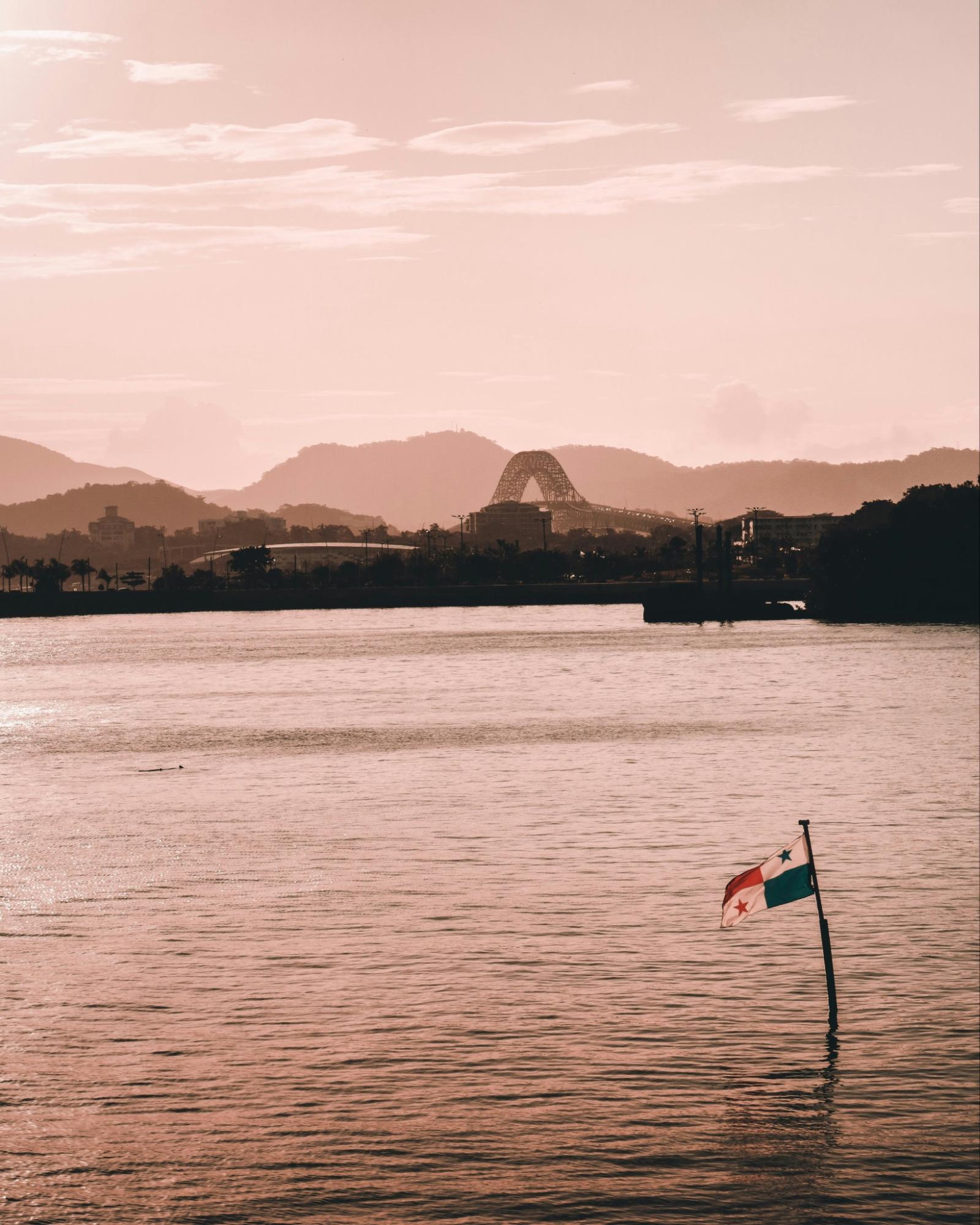
Democracies around the world will elect their government officials this year; besides the much-discussed upcoming Western democratic elections–like the upcoming US elections, Polis180 is dedicated to shedding light on democratic elections in other parts of the world. Therefore, we are proud to present our new blog series titled „The Democratic Panorama in Latin America“, in … Weiterlesen …
For the final episode of season 2, State Representative Tobias Schlingensiepen (D) is asked about the current developments in climate policy in Kansas and his recent study tour to Germany.
In this episode, our two guests Sara Schurmann and Sven Egenter join us for a discussion about climate journalism and the role it plays in fighting climate change.
This episode sheds a light on the US climate policy perspective and its impacts on the transatlantic sphere. Specifically, it covers the Inflation Reduction Act (IRA) and the intersection between climate, international trade, industrial policy and geopolitics.
In addition to diving into Germany’s activities for COP28 and discussing the conference’s host, Jennifer Morgan gives insights into her transition from past roles in NGOs to her current position as climate ambassador at the German Federal Foreign Office, as well as into the country’s new feminist foreign policy guidelines.
After taking an in-depth look at climate and environmental justice in the last episode, this episode of the Climate Bridge Podcast reflects on the successes and disappointments of COP27 in Sharm el-Sheikh.
The fourth episode of the Climate Bridge Podcast addresses environmental and climate justice. Mary and Kira discuss with their guests, Nora Löhle and Dr. Robert Bullard, the importance of equal protection and equal enforcement of environmental laws and regulations for all as well as analyze key environmental and climate justice measures in the Inflation Reduction Act.
Ein Beitrag von Lars Feyen
In conversation with Assistant Deputy Minister Catherine Stewart of Environment and Climate Change Canada, our hosts Tobias Bernstein (adelphi) and Luisa Kern (Polis180) took an in-depth look at the interlinkage of climate change and foreign policy, but also at the role of women and indigenous people in climate diplomacy.
A comment by Amadeus Marzai