

Hope and Resistance: Rojava’s Pursuit of Healthcare and Gender Equality in a War-Torn Region

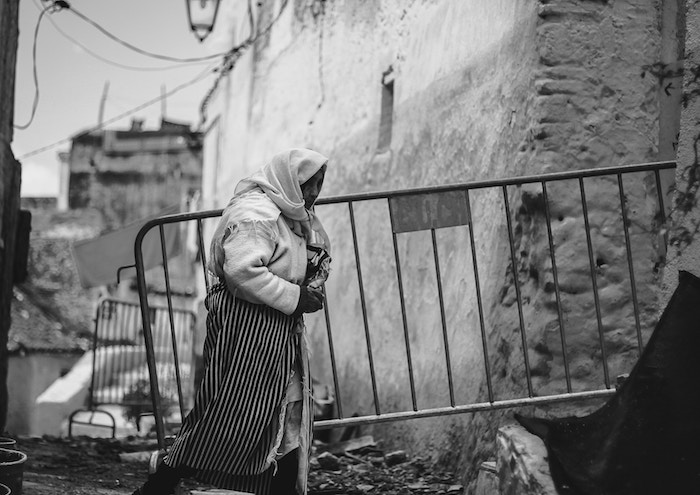
  by Ahmet Bekisoglu and Gulbin Ahmad   The attacks last only moments, but the consequences endure much longer. Turkey’s and Iran’s bombings not only disrupt daily life but also severely impact healthcare services in Rojava. The region has been dealing with violence against women perpetrated by the Turkish state, using tactics like private warfare, … Weiterlesen …

Boxers in the Baltics – The Case for “Mittlere Kräfte” in the Paradigm of Territorial Defence

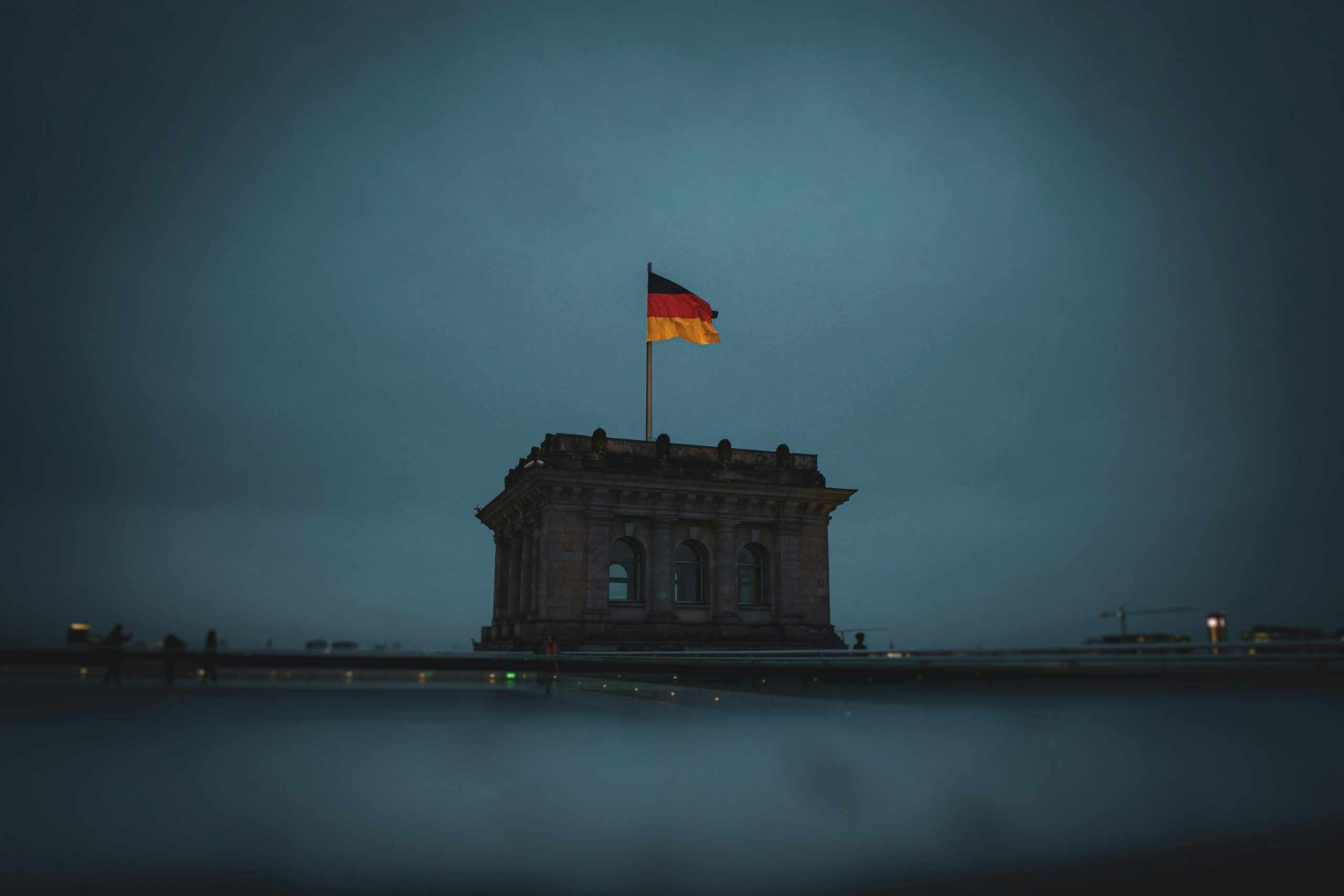
A conventional wisdom states that “generals are always prepared to fight the last war”. With very little media attention, the Bundeswehr announced arguably the most significant organisational changes since the end of conscription. This article is going to explore the introduction of the “Mittlere Kräfte” in the context of the changing security environment of the … Weiterlesen …

„Seas the Day“: Assessing the EU’s 2023 Maritime Security Strategy

With its most recent update in March 2023, the EU’s Maritime Security Strategy has undergone a significant revision, and now places a more pronounced emphasis on addressing the emerging threat of hybrid warfare and safeguarding critical infrastructure. This analysis highlights the key changes in the strategy, including the new connotations and implications for both EU … Weiterlesen …

SUMMER OF SECURITY – Call for Contributions

Im Projekt “Summer of Security” setzen wir den Grassroots-Gedanken von Polis180 direkt in einem Online-Dossier um und bieten euch eine Plattform, eure Stimme(n) zur Zukunft der deutschen Außen- und Sicherheitspolitik einzubringen.

Wahlprogramm? Check! Polis180 die Wahlprogramme der Parteien zusammengefasst

Die Wahl zum 20. Deutschen Bundestag am 26. September 2021 steht an und im Wahlkampf dazu gehen viele wichtige Sachthemen oftmals verloren und insbesondere außen- und europapolitische Fragen stehen seltener im Fokus. Wir von Polis180 sind davon überzeugt, dass die Positionen der Parteien zu diesen Fragen wichtig für die Wahlentscheidung – auch und vor allem von jungen Menschen – sind. Aus diesem Grund bieten wir auch zu dieser Wahl einen Wahlprogrammcheck an.

Electing the Future: Participation of Civil Society and Youth in Georgian Party Politics | Event Report

Electing the Future

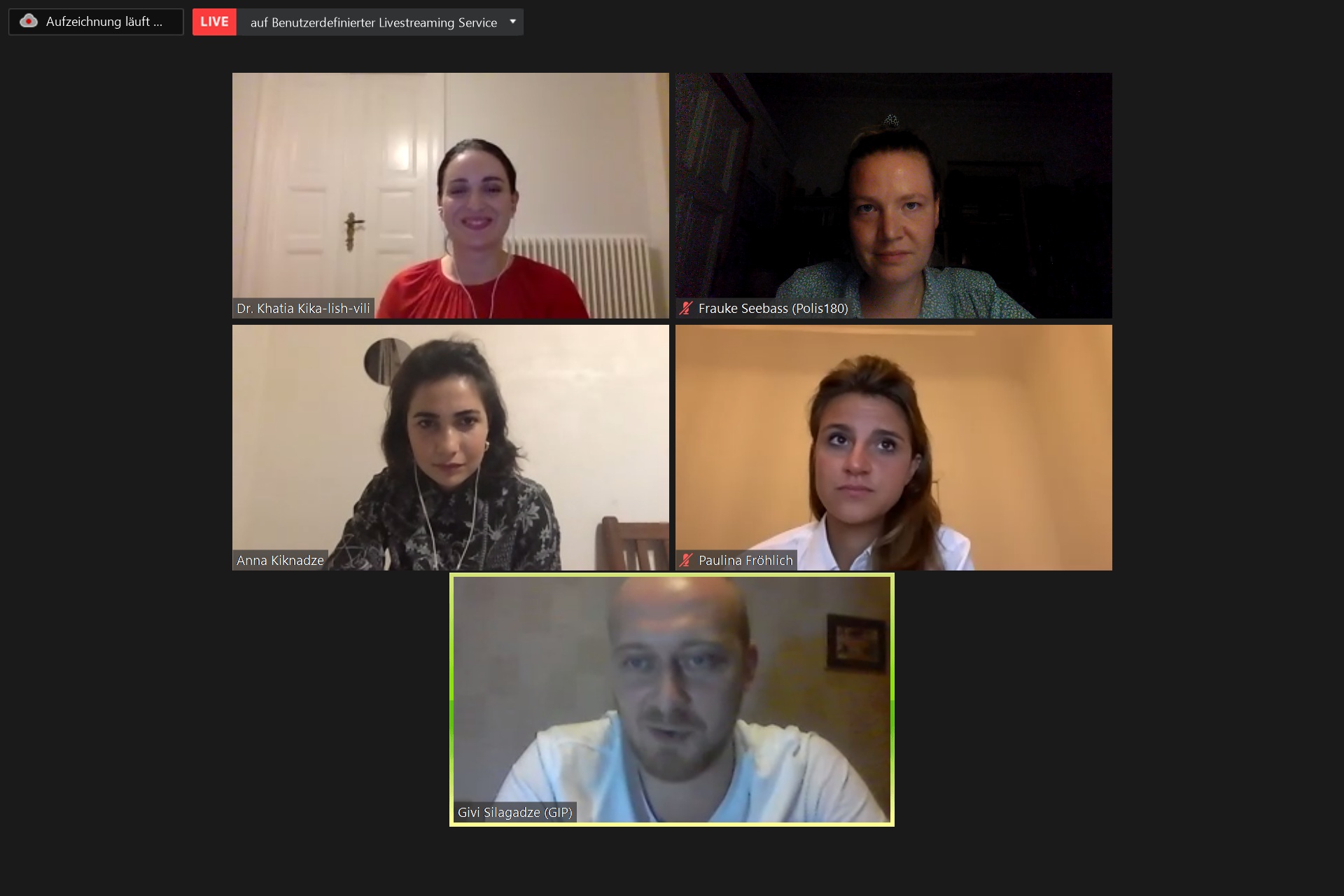
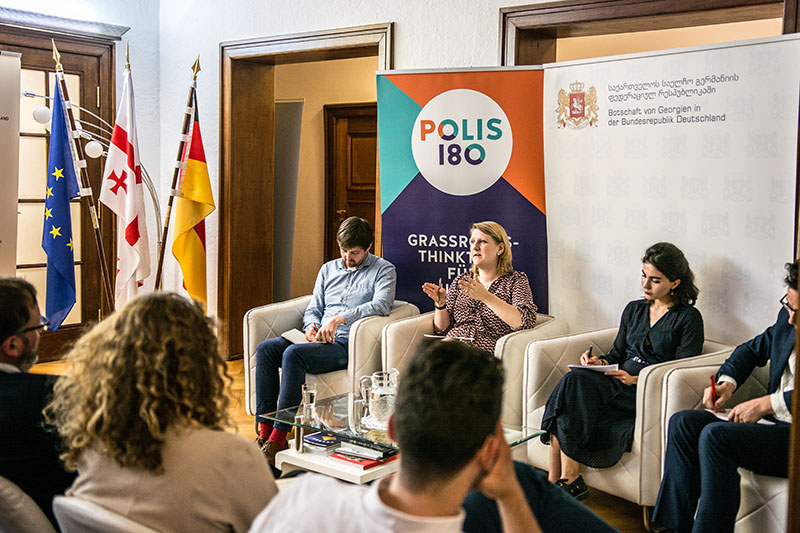
Which instruments do civil society actors have to engage with parties in Georgia and Germany, and how can these mechanisms be enhanced? What is the role of young people in party politics, and how can their voices help to diversify political discourse in the country? We discussed these and other questions with experts in Berlin and Tbilisi in a Zoom panel – find the summary here!

Jahresbericht 2019

Ein turbulentes Jahr voller Projekte und Veranstaltungen liegt hinter Polis. Der Jahresbericht zeigt unsere Highlights 2018 – und gibt einen Ausblick auf die spannenden Aktivitäten, die uns 2019 beschäftigen!

Polis Brief N° 15 | Kohle oder Klima?

Die folgende Analyse zeigt, wie der Kohleausstieg der Wirtschaft und den Beschäftigten in den betroffenen Regionen dienen kann. Im Fokus stehen die Arbeitsmarktpolitik, sowie Infrastruktur- und Innovationsausbaumaßnahmen mit ihren potenziell positiven und negativen Auswirkungen. Deutschland muss seine internationale Vorbildfunktion nutzen und als wohlhabendes sowie technologisch entwickeltes Land zeigen, dass wissenschaftlich basierte Maßnahmen zum Klimaschutz sozialer Gerechtigkeit nicht entgegenstehen.

Polis Paper N° 12 | Rhetorics of the crisis

Take a look at the foreign policy rhetoric during the coronavirus pandemic: Fourteen Polis180-members examined government narratives closely related to COVID-19. They analyse positions of twelve countries on five continents. This paper shows how political communication works in the age of Twitter and how the pandemic offers a platform for governments to express their ambitions for regional and global influence.

Polis Brief N° 16 | Hungern für den Klimaschutz?

Dieser Brief widmet sich den beiden Sustainable Development Goals (SDG) „Kein Hunger“ und „Klimawandel“ und beleuchtet den Zusammenhang zwischen beiden Herausforderungen. Berücksichtigt werden zunehmende Ernteausfälle als Folge des Klimawandels. Die Lösungsvorschläge im Bereich der Landwirtschaft und den Ernährungsgewohnheiten unterstützen beide Ziele gleichermaßen. Es zeigt sich, dass das Erreichen des „Kein Hunger“ Ziels nicht zwingend mit einem starken Anstieg von Treibhausgasen verbunden ist.

Polis Paper N° 11 | What’s next for Europe?

We do like – some of us even love – Europe, the EU or the european idea. But the EU we live in is not flawless. In the weeks following the election of the European Parliament, we asked Polis180 members what they think should be improved in the EU. Four topics emerged as policy areas where change needs to be brought on the way: institutional design and cultural policy, climate, digitalisation and security & defence.

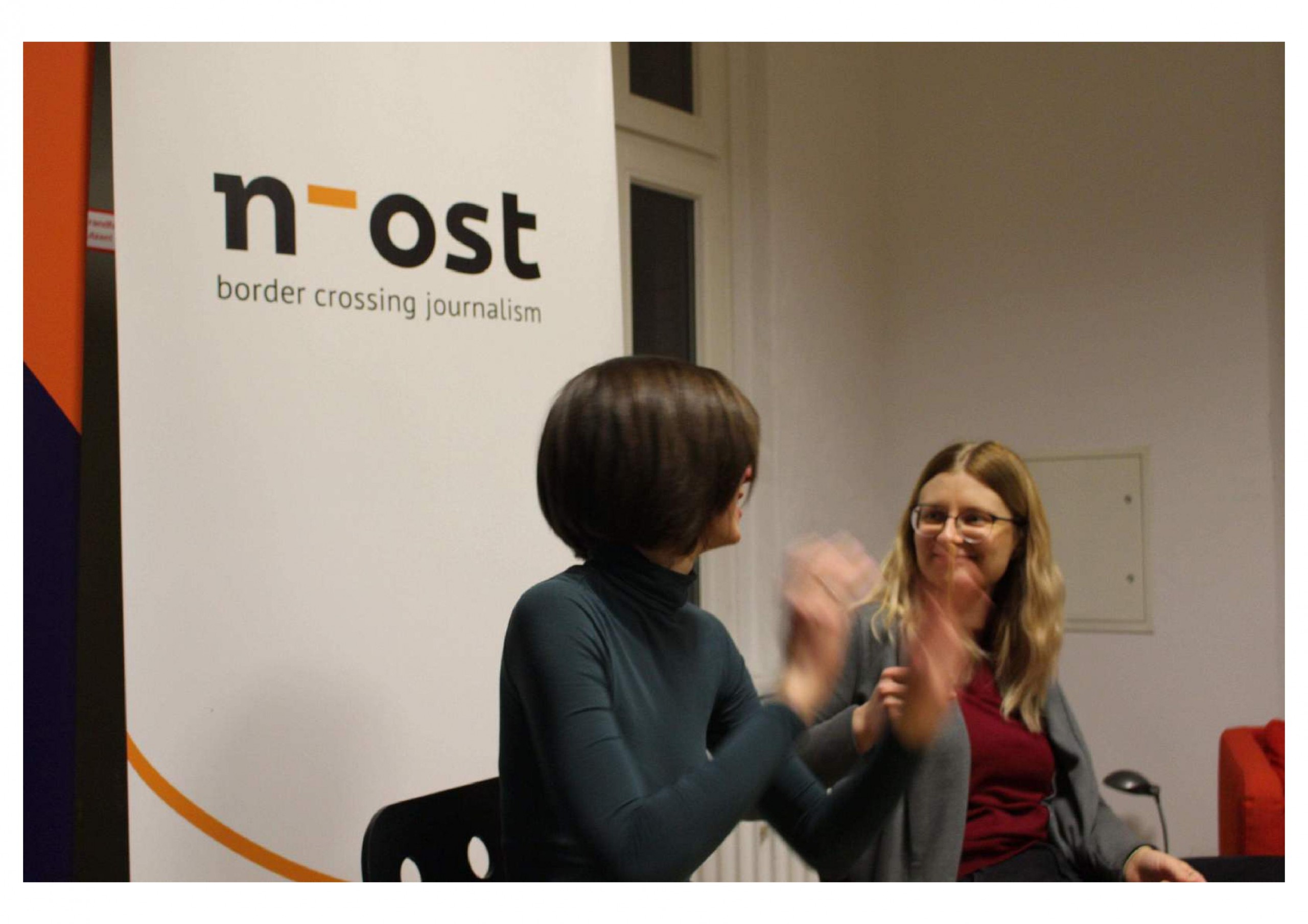
Die China-Cables: Moderne Überwachungstechnologien als Instrument und Schwachstelle systematischer Repression | Bericht der Polis-Teatime bei n-ost

Am Mittwoch diskutierten wir in einer Kooperationsveranstaltung mit n-ost und Novastan über Menschenrechtsverletzungen an Uiguren und anderen ethnischen und religiösen Minderheiten in China, mit einem besonderen Fokus auf der Frage, wie moderne Technologien einerseits die Überwachung ermöglichen und andererseits Journalisten Material zur Aufklärung der Verbrechen liefern.

Polis Brief N° 12 | Women in the Ukrainian Military

In her Polis Brief, Hanna Hrytsenko analyses the changing role of women in the Ukrainian military. She makes the point that the struggle to achieve guarantees for gender equality in the military has significant positive consequences for fighting gender stereotypes in society as a whole.

Polis Brief N° 11 | Implementation of the Women, Peace and Security Agenda in Germany

Merle Huber argues that until today, the Women, Peace and Security agenda has fallen short of fulfilling hopes for a transformation of gendered power relations and challenging the norms behind discriminatory practices in security policies. In her Polis Brief, she focuses on how Germany can include a stronger transformative approach in its next National Action Plan post-2020.

Polis Brief N° 10 | Germany as a Global Peacebuilder

Drawing from the failed Turkish-Kurdish Peace Process and an analysis of the role of German-Turkish relations, Dilek Gürsel takes a look at the engagement of women in the Turkish-Kurdish peace process and outlines policy recommendations for Germany on how to support the implementation of the Women, Peace and Security agenda in Turkey. 

Polis Brief N° 9 | Europa nach dem INF: Wie weiter?

Der “Intermediate-Range Nuclear Forces Treaty” (INF) zwischen Russland und den USA ist ausgelaufen. Droht eine neue atomare Aufrüstung in Europea? Auf jeden Fall ist es Zeit, die Interessen der Hauptbeteiligten und Handlungsoptionen Europas genauer zu betrachten.

Sommer, Sonne, Mitgliederversammlung 2019

Auf eine sehr engagierte und spannende Mitgliederversammlung, die sich von einigen altgedienten Vorstandsmitgliedern dankbar verabschiedete und einen neuen, motivierten Vorstand wählte, folgte der gemütliche Teil bei Sonne im Park!

Jahresbericht 2018

Ein turbulentes Jahr voller Projekte und Veranstaltungen liegt hinter Polis. Der Jahresbericht zeigt unsere Highlights 2018 – und gibt einen Ausblick auf die spannenden Aktivitäten, die uns 2019 beschäftigen!

POLIS PAPER #8 | Wer Gender negiert, riskiert Straflosigkeit. Sexualisierte Gewalt im Kontext von UN-Friedensmissionen

POLIS PAPER #8
Wer Gender negiert, riskiert Straflosigkeit. Sexualisierte Gewalt im Kontext von UN-Friedensmissionen

von Lisa Müller-Dormann, Leonie Hopgood & Michelle Ammann

In Konfliktregionen werden existierende Ungleichheiten zwischen den Geschlechtern verstärkt und Frauen* sind häufiger von sexualisierter Gewalt betroffen – nicht nur durch Konfliktparteien, sondern im schlimmsten Fall auch durch Soldat*innen und zivile Schutzbeauftragte der UN. Trotz guter Ansätze kommen die Autorinnen zu dem Ergebnis, dass der momentane Fokus der Strategie auf individuelle Verantwortung und Strafverfolgung nicht ausreichend ist. Für die Umsetzung struktureller Reformen muss die Bekämpfung der Ungleichheiten zwischen den Geschlechtern, basierend auf gesellschaftlich konstruierten Ideen von Geschlechterrollen und insbesondere von Maskulinitäten, Hauptbestandteil der Strategie werden.
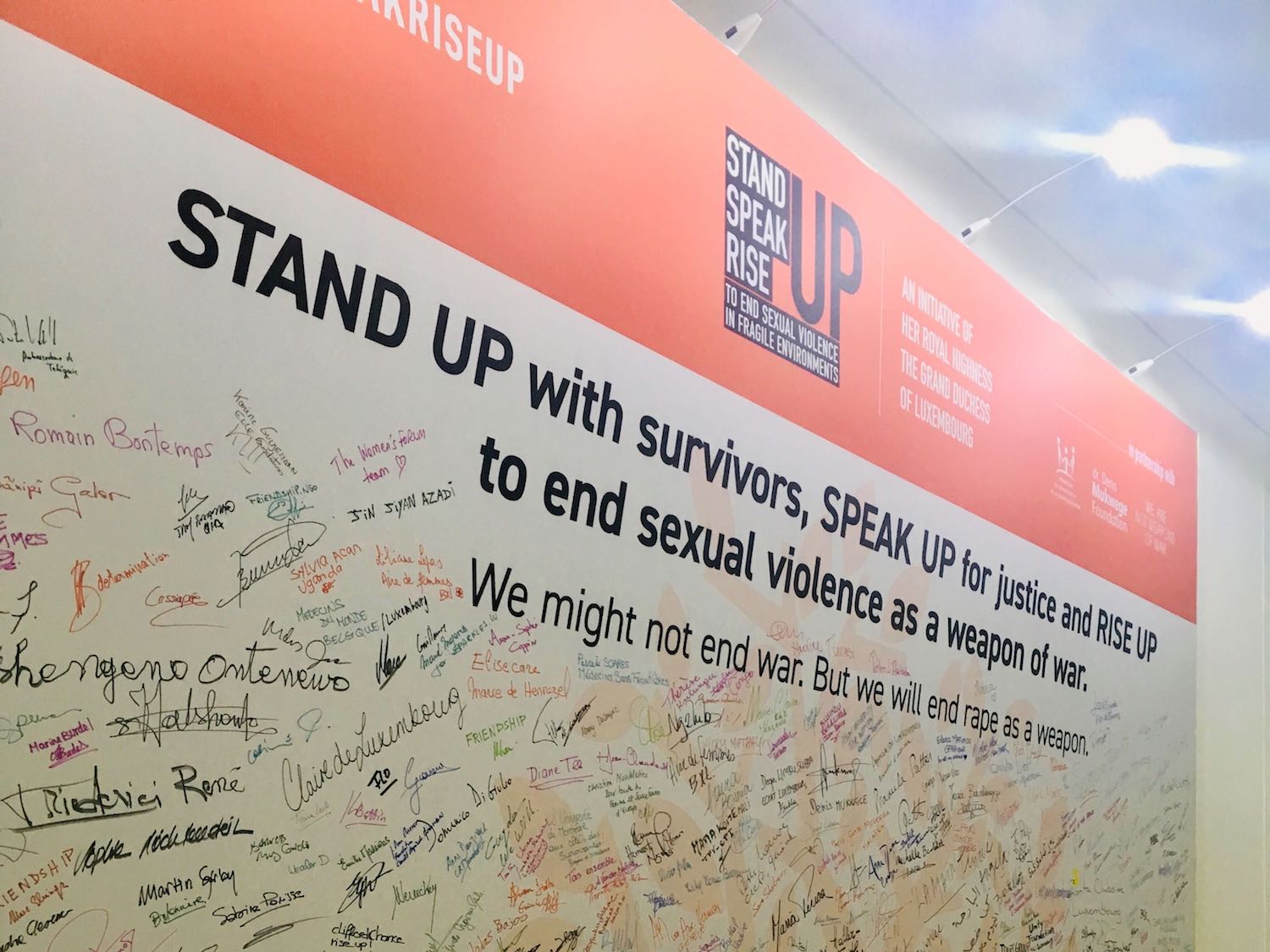
REPORT | StandSpeakRiseUP – Ending Sexual Violence in Fragile Environments

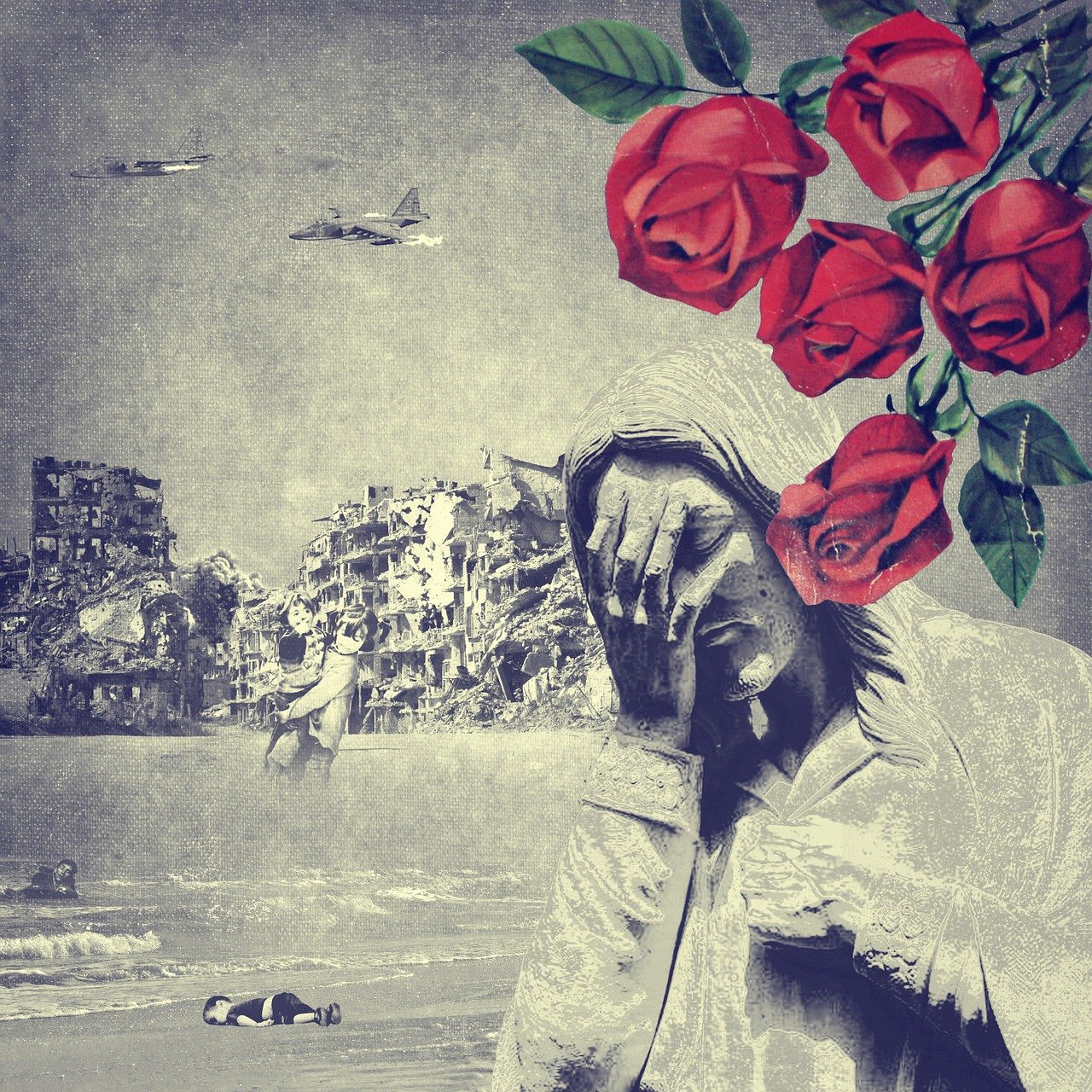
Sexual and gender-based violence during armed conflicts is a human rights violation passed on to future generations. For instance, children born of rape in conflict settings face long-term discrimination by law. The StandSpeakRiseUP Conference set out to end rape as a weapon of war – and we need to make this appeal leave the echo chamber of the European Convention Centre in Luxembourg.

Polis Brief N° 8 | Kenya’s Local Peace Committees

Local Peace Committees as a community response to conflict in Kenya have been praised and supported by the government and international donors alike. But can this model really be transferred to different contexts, and can it withstand bottom-up interference? Lisa Müller-Dormann examines lessons learned and the way ahead.