
Polis Paper N° 26 – War and Peace Across the Taiwan Strait. European Perspectives on Possible Geopolitical Escalation in the Indo-Pacific.
An armed conflict between China and Taiwan appears more likely than ever. This would have major implications for the EU. However, Europe still appears to be woefully unprepared for such an escalation. Tensions have risen in recent years over the status of the self-governed region, which calls itself the Republic of China but is considered by the People’s Republic of China an integral part of its own territory. US policymakers of all stripes seem convinced that an invasion of Taiwan would be “only the precursor” to further Chinese expansionism in the region. Regional actors, including Japan or the Philippines, seem to share the analysis to a certain extent, with Japan deeming the security of Taiwan as vital to its own national security. This paper argues that the EU and its member states need to increase preparedness in fields such as security, economic resilience and overall foresight efforts. Using existing leverage and attempting to manage tensions across the Taiwan Strait are key to navigate while still upholding the EU’s core values.
To answer these questions, Lara Franken and Lena Wittenfeld analyse Sweden’s experience with the abolition of FFP, and draw parallels to the current political developments in Germany. The authors then outline strategies and instruments to strengthen FFP’s resilience.

nEUrds Newsletter – G7 summit, Critical Minerals Action Plan, Multiannual Financial Framework (MFF), and NextGenerationEU

Welcome back to the latest edition of our nEUrds newsletter, where we dive deep into the riveting world of European economic policy with a twist of wit and a dash of insight.This time around, we break down the European Commission’s country‐specific analyses on each member’s fiscal headaches and bespoke public‐finance prescriptions, before zeroing in on the ECB’s latest quarter‐point cut to its deposit rate; unveil the EU’s ambitious rebrand of its securitization and retail investment markets; track the back‐and‐forth over the upcoming 18th Russia sanctions package; review fresh EU–US tariff tête-à-têtes; and close with defence developments. Plus, don’t miss our „Crystal Ball Gazing“ for a glimpse into the future, and „Page Turners and Screen Burners“ for your next favorite read.

nEUrds Newsletter – ECB’s Global Euro Report, US–China Trade Truce & the Clean Industrial Deal

Welcome back to the latest edition of our nEUrds newsletter, where we dive deep into the riveting world of European economic policy with a twist of wit and a dash of insight.This time around, we break down the European Commission’s country‐specific analyses on each member’s fiscal headaches and bespoke public‐finance prescriptions, before zeroing in on the ECB’s latest quarter‐point cut to its deposit rate; unveil the EU’s ambitious rebrand of its securitization and retail investment markets; track the back‐and‐forth over the upcoming 18th Russia sanctions package; review fresh EU–US tariff tête-à-têtes; and close with defence developments. Plus, don’t miss our „Crystal Ball Gazing“ for a glimpse into the future, and „Page Turners and Screen Burners“ for your next favorite read.

10 Jahre Kampf für Demokratie in Hongkong: Ein Rückblick

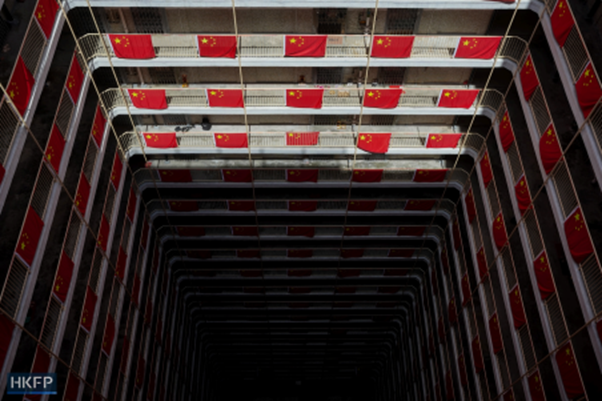
Während die Volksrepublik China den 75. Jahrestag ihrer Gründung feiert, ist Hongkong in einen roten Schleier gehüllt. Überall in der Stadt finden patriotisch anmutende Veranstaltungen statt, an Gebäuden und Brücken wehen chinesische Flaggen. Doch hinter den Feierlichkeiten verbirgt sich eine Stadt, die ihre Seele bereits verloren hat und sich langsam in eine weitere chinesische Stadt verwandelt. Mit der Abwanderung von Hunderttausenden von Hongkonger*innen in die Diasporagemeinden auf der ganzen Welt ist Hongkong nur noch eine Hülle seines einstigen Glanzes. 

Südostasien – Wieso sollten wir mehr auf diese Region schauen?

Südostasien ist eine Region im Indo-Pazifik, die zunehmend an Relevanz gewinnt. Vom Multilateralismus über Sicherheit und Handel zu Klimawandel handelt es sich um eine dynamische Region. Dieser Blogpost legt einige der wichtigsten Punkte dar, bei denen Deutschland, Europa und Südostasien konstruktiv zusammenarbeiten könnten – und vor allem warum wir es mehr sollten.